
Outdoor Lighting Design: A Practical Guide to Light Up Your Landscape
Introduction
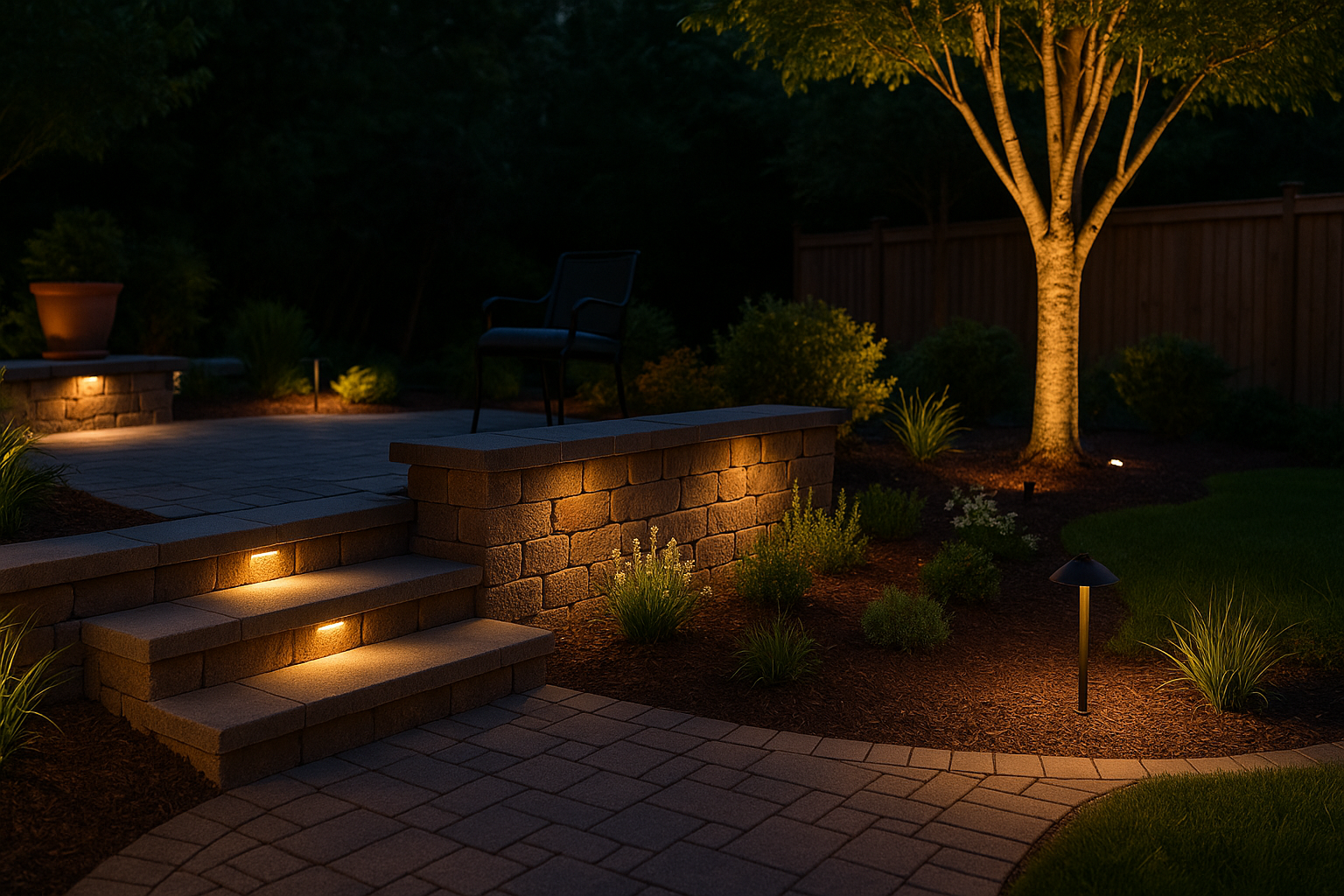
Good outdoor lighting does more than brighten a space — it sets mood, improves safety, highlights landscape features, and extends the usability of outdoor rooms after sunset. Whether you’re lighting a small patio, a large garden, or a pathway to your front door, thoughtful design will make the difference between glare and glow. This guide walks you through the core principles, planning steps, fixture types, and practical tips to create a balanced, beautiful outdoor lighting scheme.
Principles of Outdoor Lighting Design
Understand these design principles before you buy fixtures or dig trenches. They form the foundation of effective outdoor lighting.
Layer the Light: Ambient, Task, Accent
- Ambient lighting provides general illumination for an area — think wall-mounted lanterns or soft overhead lights for a patio.
- Task lighting focuses on specific activities like grilling, dining, or navigating stairs — brighter and more directional.
- Accent lighting highlights features such as trees, sculptures, or architectural elements — often achieved with spotlights or well lights.
Balance and Scale
Consider the scale of fixtures relative to the space. Too many bright lights will wash out textures; too few will leave dark, uninviting areas. Aim for layers that work together rather than competing sources.
Planning Your Layout
Start with a simple site survey and a list of needs. Good planning saves time and money later.
Survey the Site
- Map pathways, entries, focal points, and potential wiring routes.
- Note existing power sources and any obstacles like trees or retaining walls.
- Consider neighbors’ sightlines to avoid stray light or nuisance glare.
Define Priorities
Decide what you want lit first: safety and access (pathways, steps), then entertaining spaces (patio, deck), then landscaping highlights. Budget your project in phases if necessary.
Fixture Types and When to Use Them
- Path lights: Low-level fixtures to guide walkways and mark edges.
- Spotlights and floodlights: Use sparingly for trees and facades; aim and shield them to avoid glare.
- Step lights: Built into risers or walls to illuminate stairs safely.
- Wall-mounted lights: Practical for entries and porches; choose styles that complement your architecture.
- Well lights/inground fixtures: Hide the fixture to cast upward accents on trees or columns.
- String lights and pendants: Create ambiance for patios and pergolas with soft, evenly-distributed light.
Placement & Techniques
Placement determines effectiveness. Small adjustments in angle and distance can dramatically change the result.
Layered Placement
- Place path lights at regular intervals and on the side opposite the primary shadow to reduce tripping hazards.
- Position spotlights 1.5 to 3 times the height of the tree away for even uplighting.
- Use cross-lighting (two fixtures at different angles) to reveal texture and reduce flat shadows on walls or sculptures.
Shielding and Aiming
Use shields, louvers, or barn doors to control light spill. Aim lights so they illuminate the target without shining into windows or neighboring yards.
Color Temperature & Controls
Color temperature affects mood and plant health.
Warm vs Cool Light
- Warm white (2700K–3000K) feels inviting and works well for residential exteriors and patios.
- Neutral to cool whites (3500K–4000K) can be used for task and security lighting but may feel harsher.
Controls and Automation
Timers, motion sensors, and smart controls add convenience and save energy. Use motion sensors for security lighting and timers or smart schedules for ambient lighting to avoid leaving everything on all night.
Energy Efficiency & Maintenance
- Choose LED fixtures for long life and low energy use; they produce less heat and reduce replacement frequency.
- Consider solar fixtures for low-duty applications, but be mindful of seasonal performance and placement.
- Plan for easy access to fixtures for cleaning and bulb replacement; dirt and foliage can drastically reduce output.
Common Mistakes to Avoid
- Overlighting: Too much brightness flattens the scene and wastes energy.
- Poor aiming: Lights that create glare or shine into windows damage enjoyment and privacy.
- No maintenance plan: Neglected fixtures collect debris, fail prematurely, or shift position.
- Ignoring color temperature consistency: Mixing too many temperatures makes a landscape feel disjointed.
Quick Tips for Success
- Sketch a simple plan and test fixtures with temporary placement before final installation.
- Prioritize lighting for safety first, then ambiance and accents.
- Keep beam angles narrow for accents and wider for general areas.
- Choose durable, weather-rated fixtures and proper-rated cabling for outdoor use.
Conclusion
Outdoor lighting design is a blend of creativity, technical choices, and practical planning. By layering light, selecting appropriate fixtures, controlling color temperature, and prioritizing safety and energy efficiency, you can transform your landscape into an inviting nighttime environment. Start small, plan thoughtfully, and adjust as you go — a few well-placed lights can make a dramatic difference.