
Modern Water Features: Design Ideas, Benefits, and Practical Tips
Introduction
Modern water features bring movement, sound, and a touch of luxury to outdoor and indoor spaces. Whether you want a tranquil backyard retreat, a striking entry statement, or a low-maintenance focal point, contemporary designs offer options to suit every scale and budget. This guide explores types of modern water features, design considerations, installation, and upkeep to help you plan a feature that elevates your landscape.
Types of Modern Water Features
Minimalist Fountains
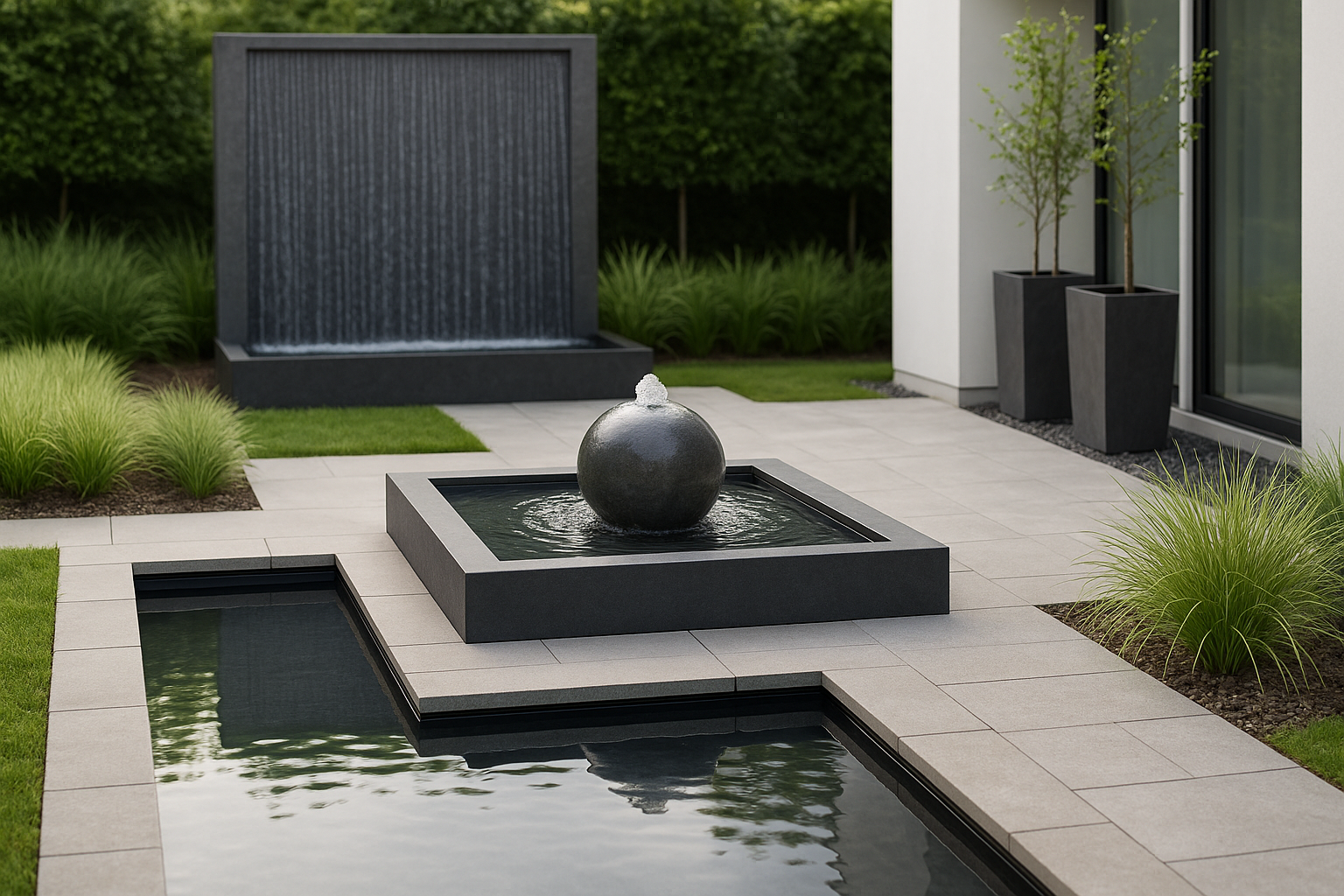
Minimalist fountains use clean lines and simple forms to create a calm visual rhythm. Often made of concrete, stone, or corten steel, these features work well in courtyards and small yards where space is limited but impact is desired.
Pondless Waterfalls
Pondless waterfalls offer the look and sound of a stream without a standing water pool. Water recirculates from a hidden reservoir, reducing safety concerns and maintenance while still attracting birds and creating ambience.
Reflecting Pools and Plunge Pools
Reflecting pools provide a serene, mirror-like surface that amplifies architecture and sky. Plunge pools combine the visual calm of a reflecting pool with the functionality of a small swim area for cooling off on warm days.
Water Walls and Wall Fountains
Vertical water features are ideal for urban gardens and narrow spaces. A water wall can double as a privacy screen, an artistic backdrop, or a noise buffer from busy streets. Modern versions often incorporate textured panels and integrated lighting for dramatic effect.
Smart Water Features with LED and Automation
Integrating LED lighting, color-changing effects, and smart controls allows you to schedule, dim, or switch modes from a phone. Automation also handles water levels and pump maintenance alerts, making care easier and more energy-efficient.
Design Considerations
Scale and Proportion
Match the feature’s scale to your site: large features can overwhelm small gardens, while tiny elements get lost in expansive landscapes. Consider sightlines from indoor spaces and primary outdoor seating areas.
Material Choices
Materials define the mood: natural stone feels organic, corten steel reads modern-industrial, and concrete offers a smooth, contemporary look. Choose materials that complement existing hardscape and architecture.
Location and Sightlines
Place water features where you’ll both see and hear them. Near patios, windows, or dining spaces often provides the best enjoyment. Consider sun exposure and tree coverage to minimize leaf litter.
Safety and Accessibility
For families with children or pets, pondless options or shallow reflecting pools with barriers reduce risk. Ensure electrical components are installed by a licensed electrician and protected from the elements.
Sustainability
Look for energy-efficient pumps, timers, and solar options. Using native aquatic plants and designing for minimal evaporation conserves water and supports wildlife.
Installation and Maintenance
DIY vs Professional Installation
Simple features like tabletop fountains or small wall fountains are doable as DIY projects. Larger installations, especially those involving electricity, plumbing, or structural work, benefit from professional design and installation to avoid costly mistakes.
Regular Maintenance
Routine tasks include checking pump operation, cleaning filters, removing debris, and balancing water chemistry for features with standing water. Seasonal care—winterizing pumps or draining as needed—extends the life of your installation.
Water Quality and Filtration
Skimmers, biological filters, and UV clarifiers help maintain clear water and reduce algae. For pondless systems, keeping the reservoir clean and covered minimizes odor and mosquito breeding.
Enhancing Your Landscape
Lighting, planting, and seating turn a water feature into a destination. Soft uplighting highlights textures and movement at night, while native plants around the feature create a living border that attracts birds and pollinators. Add comfortable seating or a small patio to invite relaxation and socializing.
Cost and Value
Costs vary widely: a small tabletop or wall-mounted fountain can cost a few hundred dollars, while large reflecting pools or professionally built waterfalls can run into the tens of thousands. Consider long-term value: well-designed water features can increase curb appeal, property value, and daily enjoyment.
Conclusion
Modern water features marry aesthetics with sensory appeal, creating spaces that welcome relaxation and connection. By choosing the right type, materials, and maintenance approach for your site, you can enjoy a low-stress, high-impact addition that enhances your home and landscape for years to come.