
Landscaping Walkway Edging: Styles, Materials, and Installation Tips
Introduction
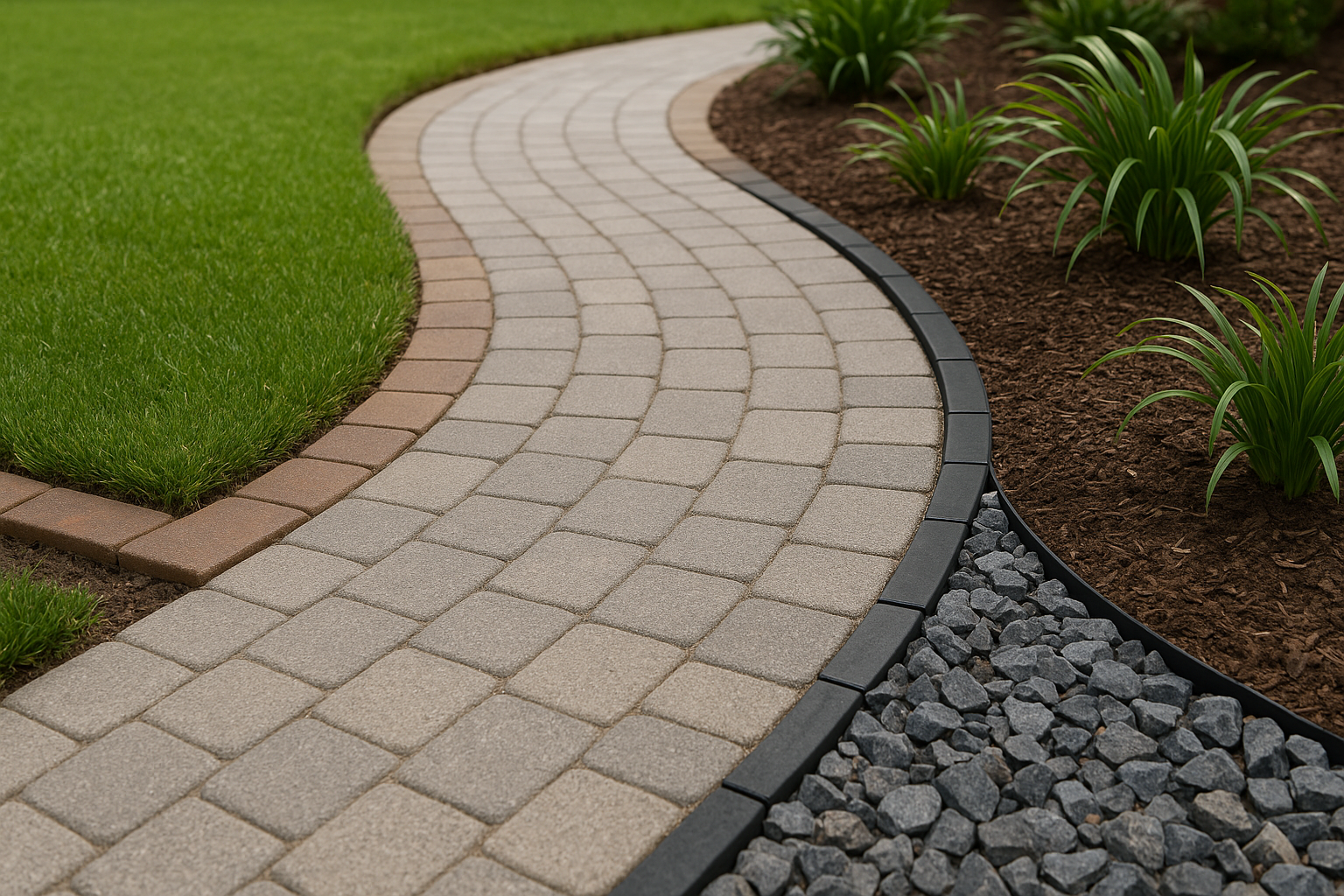
Walkway edging might seem like a small detail, but it’s one of the most effective ways to tidy a landscape, define paths, and protect planting beds. Good edging creates clean lines, reduces maintenance, and enhances curb appeal. This guide covers the most popular materials, design ideas, installation basics, and maintenance tips so you can choose the right edging for your space and budget.
Why Walkway Edging Matters
Edging is more than decorative trim. It serves practical purposes:
- Separates lawn from planting beds to prevent grass creep.
- Keeps mulch, gravel or pavers contained and reduces erosion.
- Creates visual structure and highlights pathways and garden features.
- Makes mowing and edging easier, cutting down on maintenance time.
Popular Materials for Walkway Edging
Choosing a material depends on your style, durability needs, and installation skills. Below are common options and their pros and cons.
Brick
Brick edging offers a classic, formal look and pairs well with both modern and traditional landscapes. It’s durable and heavy enough to stay in place, but mortar or proper bedding may be needed to prevent shifting.
Natural Stone
Stone provides a high-end, organic appearance with long-lasting performance. Varieties like flagstone, bluestone, or fieldstone bring texture and natural color variation. Installation can be labor-intensive and costlier than other options.
Concrete
Concrete is versatile: poured curbs create smooth, continuous lines while precast blocks or pavers offer modular looks. It’s reasonably affordable and low maintenance, though a poured curb needs proper forms and curing time.
Metal (Steel or Aluminum)
Steel edging delivers crisp, modern lines and is often used in contemporary landscapes. It’s thin, strong, and unobtrusive. Look for galvanized or coated steel to resist rust. Aluminum is rust-proof but typically more expensive.
Plastic or Composite
Flexible plastic or recycled composite edging is affordable and easy to install. It’s ideal for curved beds and temporary solutions, though it may not last as long as stone, brick, or metal under heavy wear.
Wood or Timber
Wood gives a warm, rustic look and is easy to cut and install. Pressure-treated lumber or rot-resistant species (like cedar) can last several years, but wood requires replacement sooner than masonry or metal options.
Design Ideas and Placement Tips
- Use straight lines for a formal, structured look; curves for a softer, more natural feel.
- Coordinate edging height with adjacent surfaces — a small lip (1–2 inches) is usually enough to contain mulch or gravel without creating a trip hazard.
- Match materials with your home’s architecture — stone or brick for traditional homes, steel or clean concrete for modern sites.
- Combine materials: pair low stone edging with steel for a layered, textured appearance.
How to Install Walkway Edging
Many edging materials can be installed by homeowners with basic tools. Here’s a straightforward approach that works for most projects.
Tools and Materials
- Shovel or trenching tool
- String line and stakes
- Level and tape measure
- Hammer, mallet, or rubber mallet
- Edging material of choice plus any anchoring stakes or adhesive
- Gravel or compactible base (for stone/brick)
Preparation
Mark the path with string or spray paint. Dig a trench deep enough for the edge material and a base layer — typically 3–6 inches depending on material. Remove roots and debris and compact the soil.
Installation Steps
- Lay a leveling base of gravel or sand for pavers and stones.
- Set the edging pieces into the trench, checking alignment and height as you go.
- Secure with stakes, backfill soil tightly along the edge, and compact to prevent shifting.
- Finish by adding mulch, gravel, or sod up against the edging for a clean look.
Safety and Best Practices
Use gloves and eye protection. If digging near utilities contact local services to mark lines. For permanent poured concrete or complex stone work, consider hiring a professional to ensure long-term stability.
Maintenance and Longevity
Maintenance varies by material. Metal and concrete require minimal upkeep; wood may need staining and eventual replacement. Check annually for shifting, secure loose pieces, and trim grass that grows against the edge. Proper installation reduces most common problems.
Budget Considerations
Prices range widely: plastic and timber are budget-friendly but shorter-lived, while stone, brick, and steel cost more up front but pay off with longevity. Factor in installation labor if you’re hiring help.
Conclusion
Walkway edging is a relatively small investment that yields big visual and functional returns. Choose a material that fits your style, climate, and maintenance tolerance, and follow basic installation steps for a clean, long-lasting result. With the right edging, your paths will look intentional and stay tidy for years.