
Walkway Design Ideas: Practical & Stylish Paths for Every Yard
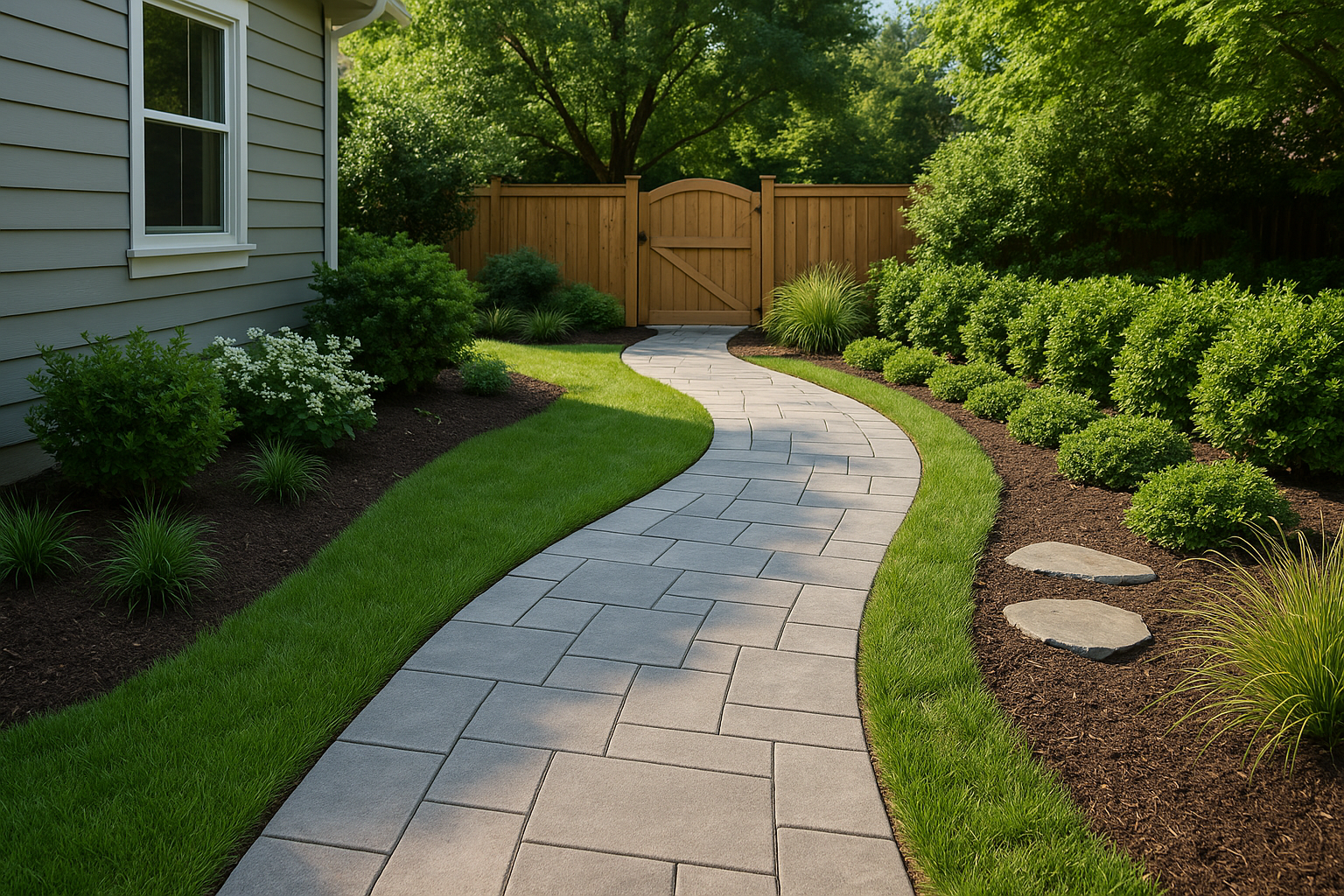
Welcome to smarter walkway design
A well-designed walkway does more than move people from A to B. It creates a first impression, defines outdoor rooms, improves safety, and complements your home’s style. Below are practical walkway design ideas and steps to plan, build, and maintain paths that fit any budget or landscape.
Why walkway design matters
Thoughtful walkway design enhances curb appeal and functionality. A clear, attractive path can guide guests, protect lawns, reduce erosion, and highlight garden features. Whether you’re aiming for rustic charm or sleek modern lines, the right choices in material, layout, and lighting make a big difference.
Planning your walkway
Assess traffic and purpose
Start by observing how people use the space. Is this a high-traffic route to the mailbox? A gentle garden stroll? A wheelchair-accessible path? Knowing the primary use informs width, slope, and surface choices. Typical widths: 3-4 feet for single-person paths, 5+ feet for two people side-by-side or ADA-friendly walks.
Materials and budget
Materials range from budget-friendly gravel to premium natural stone. Consider longevity, maintenance, and how the material fits your home’s style:
- Gravel: Inexpensive, drains well, best for casual or rustic looks.
- Pavers: Versatile and durable; patterns add interest.
- Natural stone: Timeless and upscale; irregular shapes create a natural feel.
- Concrete: Modern slabs or stamped patterns for clean, affordable designs.
- Mulch or bark: Soft-surfaced, good for informal garden paths.
Popular walkway design ideas
Classic stone path
Use flagstone or bluestone set into compacted sand for a durable, elegant look. Irregular shapes give a handcrafted appearance—fill gaps with moss or groundcover for a cottage-garden vibe.
Modern concrete slabs
Large concrete pavers separated by gravel or planted joints create a contemporary, minimalist walkway. Keep lines straight and consistent spacing for a sleek appearance.
Gravel and stepping stones
Combine gravel with spaced stepping stones for an affordable, flexible solution. This works well in organic landscapes and allows water to permeate easily.
Paver patterns
Pavers let you play with shapes and layouts—herringbone for classic charm, basketweave for visual texture, or running bond for subtle continuity. Edge with larger pavers or metal edging for a finished look.
Mulch and natural bark
For low-traffic garden walks, mulch is soft underfoot and inexpensive. Replenish annually and add stepping stones or timber edgings to protect adjacent plant beds.
Lighting and edging
Integrate low-voltage or solar pathway lights to highlight the route and improve safety. Clean edging using metal, stone, or timber keeps materials contained and offers a tidy visual border.
Landscaping and finishing touches
Plants and borders
Use plants to frame the path—lavender, boxwood, ornamental grasses, or low groundcovers add color, fragrance, and texture. Keep taller plants trimmed back to maintain clear sightlines.
Lighting and safety
Place lights at regular intervals and near changes in grade or steps. Motion sensors, step lights, and bollards can be combined to balance ambiance and security.
Seasonal considerations
Choose textured surfaces to reduce slipperiness in wet or icy seasons. Ensure proper drainage and avoid materials that retain water or frost without adequate drainage.
DIY vs hiring a pro
Small, straightforward paths—like gravel walks or simple stepping-stone layouts—are great DIY projects. Complex grading, drainage, or large stone installations often benefit from a professional to ensure durability and code compliance. Get multiple quotes, check references, and ask for examples of finished projects before hiring.
Maintenance tips
- Clean pavers and stone annually to prevent staining and moss buildup.
- Re-level sinking sections and top up gravel or mulch as needed.
- Seal concrete or certain stones every few years to extend lifespan.
- Trim plants and edge borders regularly for a neat appearance.
Conclusion
Well-designed walkways blend functionality with style. By matching materials to usage, adding thoughtful lighting and landscaping, and balancing DIY work with professional help when needed, you can create a path that welcomes visitors and enhances your outdoor living space. Start small, plan carefully, and enjoy the transformation a great pathway brings to your home.