
Landscaping Installation Services: Transform Your Outdoor Space
What are landscaping installation services?
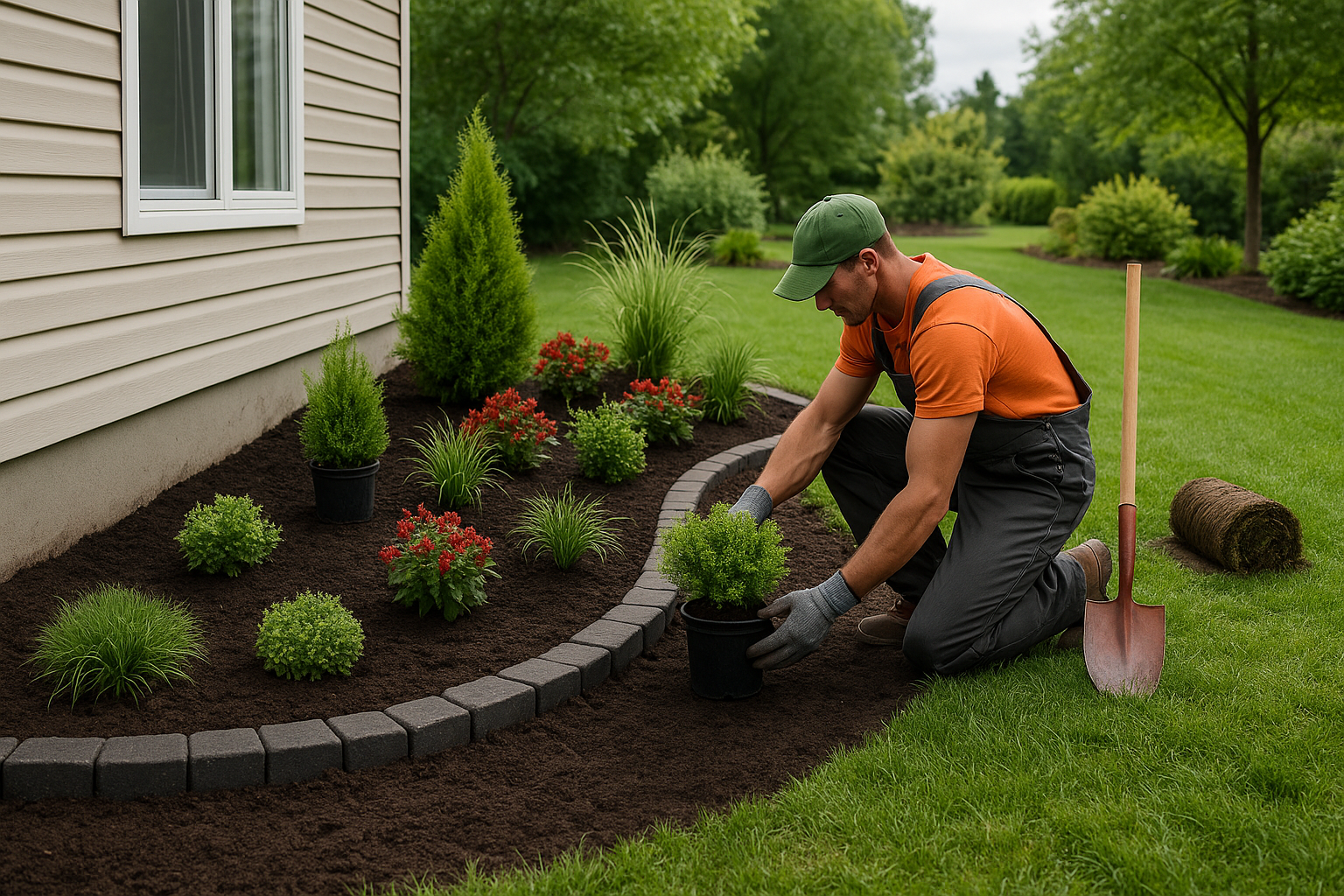
Landscaping installation services take a landscape plan from idea to reality. Professional teams handle everything from grading and soil preparation to planting, hardscaping, irrigation, and final clean-up. Whether you want a low-maintenance native garden, a formal front yard, or an outdoor living area with a patio and fire pit, installation services ensure the design is executed correctly, safely, and efficiently.
Core components of a successful installation
Site preparation and grading
Good landscaping begins with the ground beneath your feet. Site preparation includes clearing unwanted vegetation, correcting drainage problems, and grading to create proper water flow. Addressing these issues early prevents costly problems later, such as ponding, erosion, or plant stress.
Softscaping: plants, turf, and mulch
Softscaping covers the living elements: trees, shrubs, perennials, groundcovers, and lawn. Professional installers select plants suited to your climate, soil, and sun exposure, place them for long-term growth, and use techniques like proper planting depth and quality mulch to support establishment.
Hardscaping: patios, walls, and walkways
Hardscaping provides structure and function. Pavers, retaining walls, walkways, patios, and steps create usable outdoor rooms and improve circulation. Good contractors combine aesthetics with structural integrity, ensuring materials are installed on appropriate bases and meet local codes.
Irrigation and drainage systems
An efficient irrigation system delivers water where and when it’s needed without waste. Installers often include drip lines for beds and sprinkler systems for lawns, along with smart controllers. Proper drainage solutions—French drains, swales, or grading adjustments—keep foundations and landscapes healthy.
The typical installation process
Understanding the steps helps you plan and set realistic timelines. While projects vary, a standard workflow includes:
- Initial consultation and site assessment
- Design and material selection
- Permitting (if required) and scheduling
- Site preparation and utility marking
- Hardscape construction
- Planting, mulching, and finishing touches
- Final walkthrough and maintenance instructions
Costs and budgeting
Costs depend on scale, materials, and complexity. A simple planting and mulch refresh is affordable, while large projects with retaining walls, elaborate irrigation, or outdoor kitchens can be a significant investment. Ask for detailed estimates that break down labor, materials, permits, and contingency allowances. It’s also smart to budget an extra 10–20% for unexpected site conditions.
How installation affects long-term maintenance
Quality installation reduces long-term maintenance and extends the life of your landscape. Proper soil preparation, correct plant placement, and well-built hardscapes minimize future repairs. Ask your contractor for an aftercare plan—watering schedules, pruning timelines, and seasonal tasks—to protect your investment as plants mature.
Choosing the right contractor
Selecting the right team is crucial. Focus on these criteria:
- Experience with projects similar in scale and style
- Valid licensing and insurance
- Clear, itemized written estimates and timelines
- References and a portfolio of completed work
- Willingness to discuss plant choices, materials, and care
Don’t hesitate to ask contractors how they handle unexpected issues, what warranties they offer on hardscape work, and whether they subcontract specialized tasks like irrigation or lighting.
Sustainable and cost-saving options
Sustainable practices can lower maintenance and water use. Consider native plants, permeable pavers to reduce runoff, rain gardens to manage stormwater, and drip irrigation to conserve water. Many sustainable choices also improve biodiversity and curb appeal, making them a win-win for the environment and your property value.
Questions to ask before you start
- What is the full timeline from start to finish?
- Who will be on-site and who manages the project?
- How do you protect existing trees, utilities, and hard surfaces?
- What maintenance will be needed in the first 12 months?
- Can you provide a line-item estimate and references?
Conclusion
Landscaping installation services turn ideas into functional, beautiful outdoor spaces. By understanding the phases of installation, prioritizing quality contractors, and making sustainable choices, you’ll create a landscape that looks great and performs well for years. Take time to plan, ask the right questions, and invest in good installation—your future self (and your yard) will thank you.