
How to Choose Patio Installation Companies: A Practical Guide
Introduction
Adding a patio transforms your backyard into a usable, attractive outdoor living space. Whether you want a cozy spot for morning coffee or an expansive entertaining area, hiring a professional patio installation company can turn ideas into a durable, beautiful reality. This guide explains what patio installers do, how to vet contractors, material and cost considerations, and questions to ask before signing a contract.
What Patio Installation Companies Do
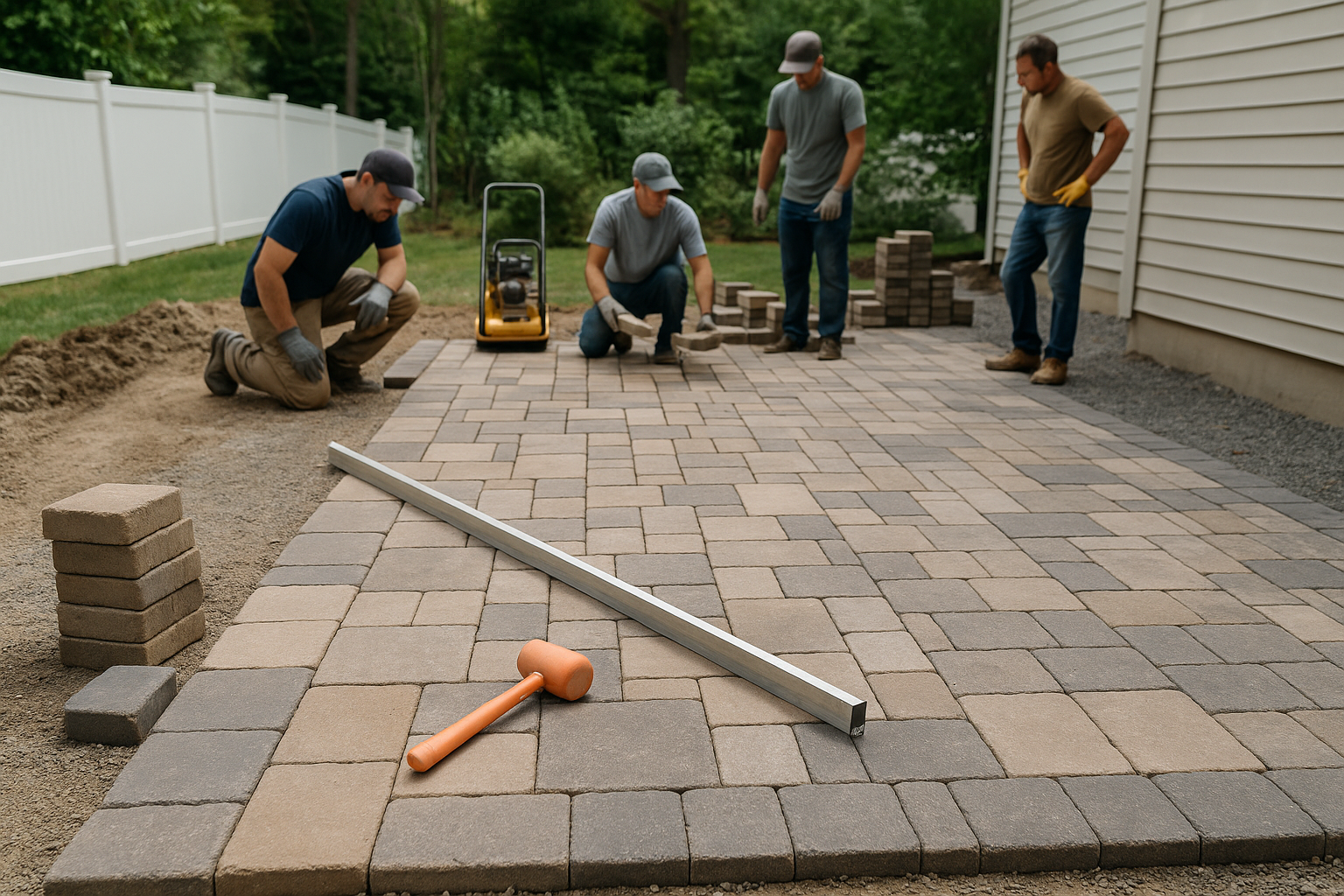
Patio installation companies handle everything from initial design to final grading and clean-up. Typical services include:
- Site assessment and measurement
- Design and material recommendations
- Permit assistance and coordination
- Excavation, drainage, and base preparation
- Installation of pavers, concrete, natural stone, or brick
- Sealing, edging, and finishing touches
- Post-installation cleanup and care instructions
Popular Patio Materials
Material choice affects appearance, cost, maintenance, and lifespan. Common options include:
Pavers
Pavers are versatile and relatively easy to repair. They offer many styles and colors and are ideal for patios that may need occasional re-leveling.
Concrete
Concrete is cost-effective and durable. Stamped or stained finishes mimic more expensive materials while providing a smooth, low-maintenance surface.
Natural Stone
Flagstone, bluestone, and other natural stones create a high-end look with unique variation. They require precise installation and can be more expensive.
Brick
Classic brick offers a timeless, structured appearance and long life when installed with proper base and drainage.
How Much Does Patio Installation Cost?
Costs vary by size, material, site complexity, and region. Expect a range roughly like this:
- Concrete: lower to mid-range per square foot
- Pavers: mid-range, depending on style and labor
- Natural stone: higher-end, due to material and labor
Additional factors that affect price: grading, retaining walls, drainage solutions, steps, and decorative features like fire pits or built-in seating. Always get multiple written estimates and itemized quotes.
Choosing the Right Contractor
Selecting a reputable patio installation company reduces risk and ensures a better final product. Follow these steps:
1. Check Credentials and Experience
Look for licensed contractors (where required), insurance, and at least a few years of experience with the material you prefer.
2. Read Reviews and Ask for References
Online reviews provide a snapshot, but talking to past customers gives deeper insight into quality, timeliness, and communication.
3. Review Portfolios
Ask to see completed projects similar in size and style. Photos or visits to finished patios reveal workmanship and material choices.
4. Get Detailed Estimates
Compare scope, materials, timeline, and warranty. A good contract includes payment schedule, cleanup responsibilities, and a clear change-order process.
Questions to Ask Before Hiring
- Are you licensed and insured? Can you provide certificates?
- Do you have local references I can contact?
- What is the estimated timeline and start date?
- Who oversees the project day-to-day?
- How do you handle unexpected issues or change orders?
- What warranty do you offer on labor and materials?
Timeline and What to Expect During Installation
Small patios can take a few days, while larger or more complex installations may require one to two weeks. Typical stages include:
- Site prep and excavation
- Installing base material and compacting
- Placement of pavers, stone, or pouring concrete
- Sealing, joint filling, and edging
- Final cleanup and client walk-through
Maintenance and Longevity
Most patios are low-maintenance but benefit from seasonal care. Sweep regularly, address weed growth between joints, and re-seal pavers or concrete every few years as recommended. Proper drainage and a well-compacted base are critical to avoid shifting and prolong lifespan.
Red Flags to Watch For
- No written contract or vague scope of work
- Unexplainedly low bids — could mean cut corners
- No proof of insurance or unwillingness to provide references
- Pressure to sign quickly or request for full upfront payment
Conclusion
Hiring a professional patio installation company pays off when you want a durable, attractive outdoor space that fits your lifestyle and budget. Take time to research materials, compare detailed estimates, and ask the right questions. With careful vetting and clear communication, your patio can become a favorite spot for years to come.