
Garden Drainage Problems: Causes, Solutions, and Prevention
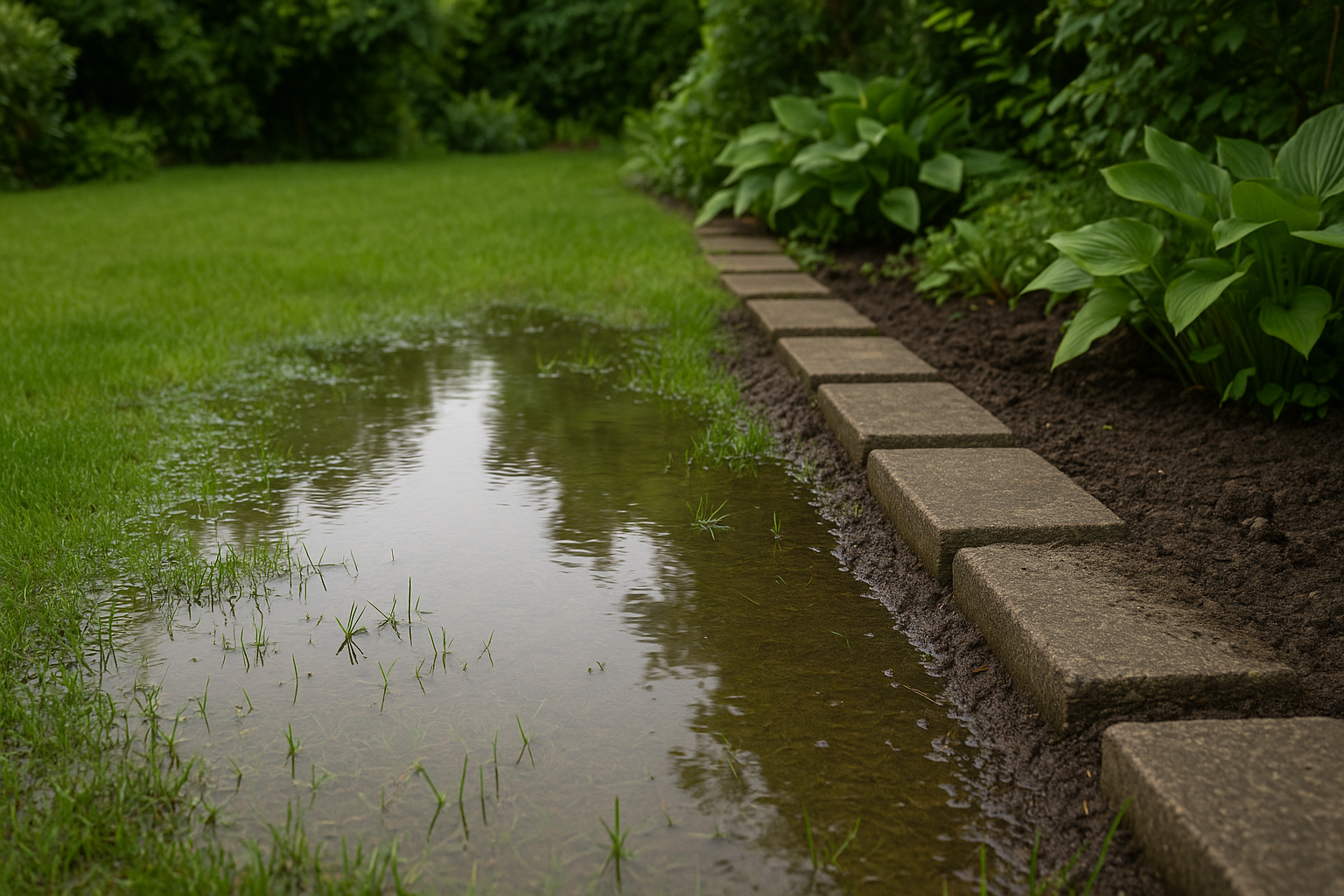
Having a soggy lawn, persistent puddles, or plants that look unhappy despite regular care is frustrating. Many gardeners eventually discover the culprit is poor drainage. This guide walks through common garden drainage problems, how to diagnose them, practical fixes you can try, and when to call a pro—so your outdoor space can finally dry out and thrive.
Why Proper Drainage Matters
Good drainage keeps plant roots oxygenated, prevents root rot and fungal disease, protects foundations and paved areas, and makes outdoor spaces usable after rain. Even small drainage issues can lead to long-term plant decline, soil compaction, and costly damage to paths, patios, and buildings.
Common Garden Drainage Problems
Waterlogged Soil and Persistent Puddles
When water sits on the surface or the soil stays saturated for days, oxygen can’t reach roots. Symptoms include yellowing leaves, stunted growth, and standing water after light rain. This is a hallmark of poor surface or subsurface drainage.
Clay Soil and Poor Infiltration
Heavy clay soils drain slowly because their tiny particles pack tightly. Water pools rather than percolating down. Gardens on clay often need soil improvement or engineered drainage to become manageable.
Slope and Grading Issues
Incorrect grading sends water toward the house or into low spots in the garden. Even gentle slopes that funnel water to undesired areas can create chronic problems.
Blocked or Compacted Soil
Compaction from construction, heavy foot traffic, or lawn mowers reduces pore space in the soil, preventing water absorption. Blocked gutters, downpipes, or drains can also divert water into garden beds that never intended to handle it.
Diagnosing Drainage Problems
Simple On-site Tests
Try a percolation test: dig a hole about 30cm (12″) deep, fill it with water, and time how long it drains. If it takes more than an hour to drain 30mm (1″) of water, you likely have slow drainage. Check slope with a simple level or by observing how water flows during rainfall.
Signs to Watch For
Look for moss or algae (prefers damp, shady soils), puddles after light rain, plants that thrive on moist ground crowding certain areas, or persistent bad smells—these are clues pointing to drainage problems.
Practical Solutions and Fixes
Improve Soil Structure
One of the best long-term fixes is adding organic matter—compost, well-rotted manure, or leaf mold—to loosen clay and help sandy soil retain moisture more evenly. Regularly top-dress beds and avoid working soil when it’s very wet to prevent further compaction.
Install Drainage Systems
For chronic or large-scale issues, consider a French drain (perforated pipe wrapped in gravel), a soakaway/crate system, or land drains. French drains redirect water away from problem areas; soakaways collect and slowly release water into surrounding soil. These require some excavation but are highly effective for subsurface drainage.
Surface Drainage Solutions
Regrading low spots to create a gentle slope away from the house, installing channel drains near patios, or creating swales (shallow, vegetated channels) helps move excess surface water. Ensure gutters and downpipes lead water well away from foundation and plant beds.
Planting Choices and Rain Gardens
Create a rain garden or plant moisture-tolerant species in wet spots. Plants like iris, astilbe, and hardy sedges tolerate damp soil and can help absorb excess water. A rain garden combined with amended soil and strategic grading provides both function and beauty.
Preventive Maintenance Tips
Keep gutters and drains clear of debris; ensure downpipes discharge away from the house; aerate lawns annually to relieve compaction; replenish organic matter in beds; and avoid overwatering. Small, regular maintenance steps are cheaper and easier than large fixes later.
When to Call a Professional
If drainage problems persist after basic fixes, if water is pooling against foundations, or if you need a large drainage system installed, hire a landscaper or drainage specialist. Professionals can assess subsurface conditions, suggest appropriate systems (like soakaway sizing or subsoils), and ensure work complies with local regulations.
Conclusion
Garden drainage problems are common but solvable. Start by diagnosing the issue carefully, make improvements to soil where possible, use targeted engineering solutions for persistent problems, and maintain your garden to prevent recurrence. With the right approach, a soggy, unproductive patch can be transformed into a healthy, enjoyable outdoor space.