
Rain Garden Ideas: Practical Designs to Capture Stormwater and Beautify Your Yard
Why Build a Rain Garden?
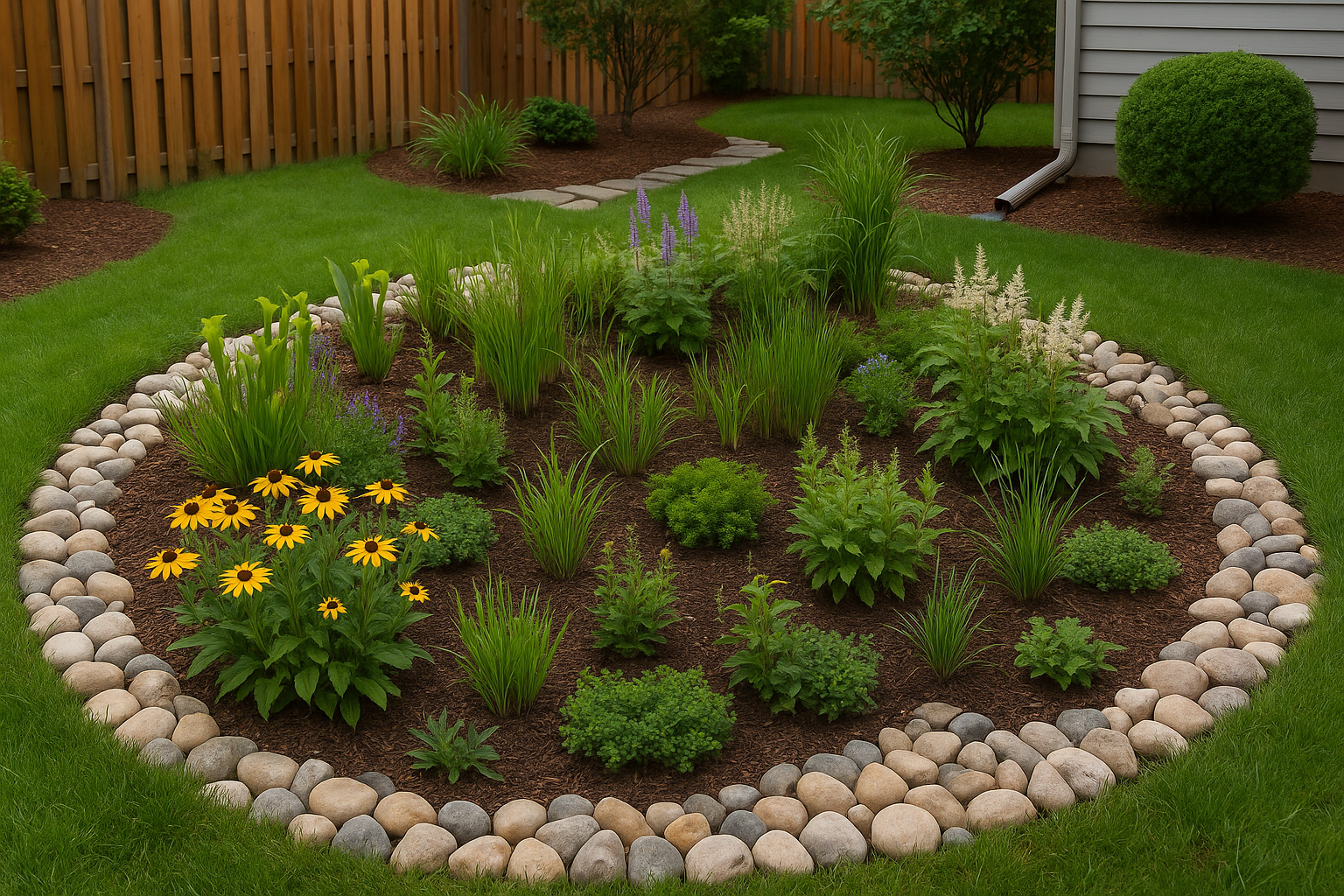
Rain gardens are attractive, low-impact landscapes designed to capture and filter stormwater runoff from roofs, driveways, and lawns. Beyond reducing erosion and improving water quality, a well-planned rain garden adds texture, color, and wildlife habitat to your yard. If you’re thinking about a sustainable way to manage water while creating a beautiful focal point, here are practical rain garden ideas to inspire your project.
Planning Your Rain Garden
Choose the Right Location
Locate your rain garden where runoff naturally flows—downspouts, low spots, or the edge of a driveway. Avoid building in areas with standing water or within 10 feet of a home foundation unless you add a proper overflow. Full to part sun is ideal for most rain garden plants.
Determine Size and Shape
Size is dictated by the drainage area. A common rule of thumb is 10-20% of the impervious surface draining into the garden. Shapes can be formal or freeform—oval, kidney-shaped, or long and narrow along a pathway. Curved edges feel natural and help soften hardscapes.
Soil and Construction Basics
Soil Mix and Excavation
Excavate to create a depression about 4–8 inches deep for sandy soils, and up to 12 inches for clay soils. Mix native soil with compost and sand to improve infiltration—aim for a soil mix that drains well but retains moisture for plants.
Inlets, Berms, and Overflow
Direct runoff into the garden using a shallow swale or pipe from a downspout. Build a small berm on the downhill side to hold water during storms, and always include an overflow route (gravel-lined trench or grass swale) to prevent flooding.
Planting Ideas for Every Style
Plant selection is the heart of a rain garden. Choose species suited to wet-to-dry conditions—plants that can handle occasional flooding but won’t mind drying out between storms.
Native Perennials for Reliability
- Blue Flag Iris (Iris versicolor) — early-season color and tolerance for wet feet.
- Joe-Pye Weed (Eutrochium spp.) — tall blooms that attract pollinators.
- Swamp Milkweed (Asclepias incarnata) — essential for monarch butterflies.
- New England Aster (Symphyotrichum novae-angliae) — late-season nectar source.
Grasses and Groundcovers
- Sedge varieties (Carex spp.) — provide structure and erosion control.
- Bluejoint Reedgrass (Calamagrostis canadensis) — graceful movement in wind.
- Creeping phlox or wild violets — low-growing covers for dry edges.
Colorful Accents and Shrubs
Add a few shrubs like buttonbush (Cephalanthus occidentalis) or inkberry holly (Ilex glabra) for winter structure. Seasonal bulbs—such as daffodils or alliums—add bright spring color before perennials leaf out.
Design Variations: From Formal to Natural
Formal Rain Garden
Use clean lines, gravel borders, and structured planting groups for a contemporary look. Pavers and low walls can contain the garden and create a neat transition to patios or walkways.
Meadow-Style Rain Garden
Let native grasses and wildflowers mingle for a prairie feel. This low-maintenance approach favors naturalistic drifts of plants and is excellent for pollinators and birds.
Rock and Bog Garden Hybrid
Incorporate boulders and a gravelly edge to mimic a streambank. Use moisture-loving ferns and bog plants in the lower zones, with drought-tolerant perennials on the higher margins.
Container and Small-Space Ideas
If yard space is limited, use a rain barrel overflow directed into a large container or raised bioretention planter. Choose compact native plants and consider a tiered arrangement to maximize visual impact.
Maintenance Tips
- Mulch lightly with shredded bark or gravel to suppress weeds and protect roots.
- Weed regularly, especially during the first two years while plants establish.
- Inspect the inlet, berm, and overflow after storms and repair any erosion.
- Divide or replace plants every few years to maintain vigor and diversity.
Common Mistakes to Avoid
- Placing the garden too close to foundations without proper drainage.
- Using only ornamental plants that don’t tolerate wet conditions.
- Neglecting an overflow path—always design for the biggest likely storm.
Wildlife and Seasonal Interest
A thoughtful mix of plants will attract butterflies, bees, birds, and beneficial insects. Choose species with staggered bloom times and interesting fall foliage to keep your rain garden attractive year-round.
Conclusion
Rain gardens are a beautiful, functional way to manage stormwater and enhance your landscape. Whether you prefer tidy geometry or a flowing meadow, there are design choices and plant palettes to fit your yard and climate. Start small, plan carefully, and enjoy the added habitat and curb appeal as your rain garden matures.