
Arbor Design Ideas: Inspiring Ways to Enhance Your Garden
Why Add an Arbor to Your Garden?
Arbors are simple yet transformative garden features. They frame views, create natural entryways, support climbing plants, and add vertical interest without taking up much ground space. Whether you’re working with a tiny courtyard or a sprawling backyard, thoughtful arbor design can make your outdoor area feel more intentional and cozy.
Popular Arbor Styles
Choosing a style sets the tone for your whole space. Here are common arbor styles and how they influence the look of your garden.
Classic Romantic Arbor
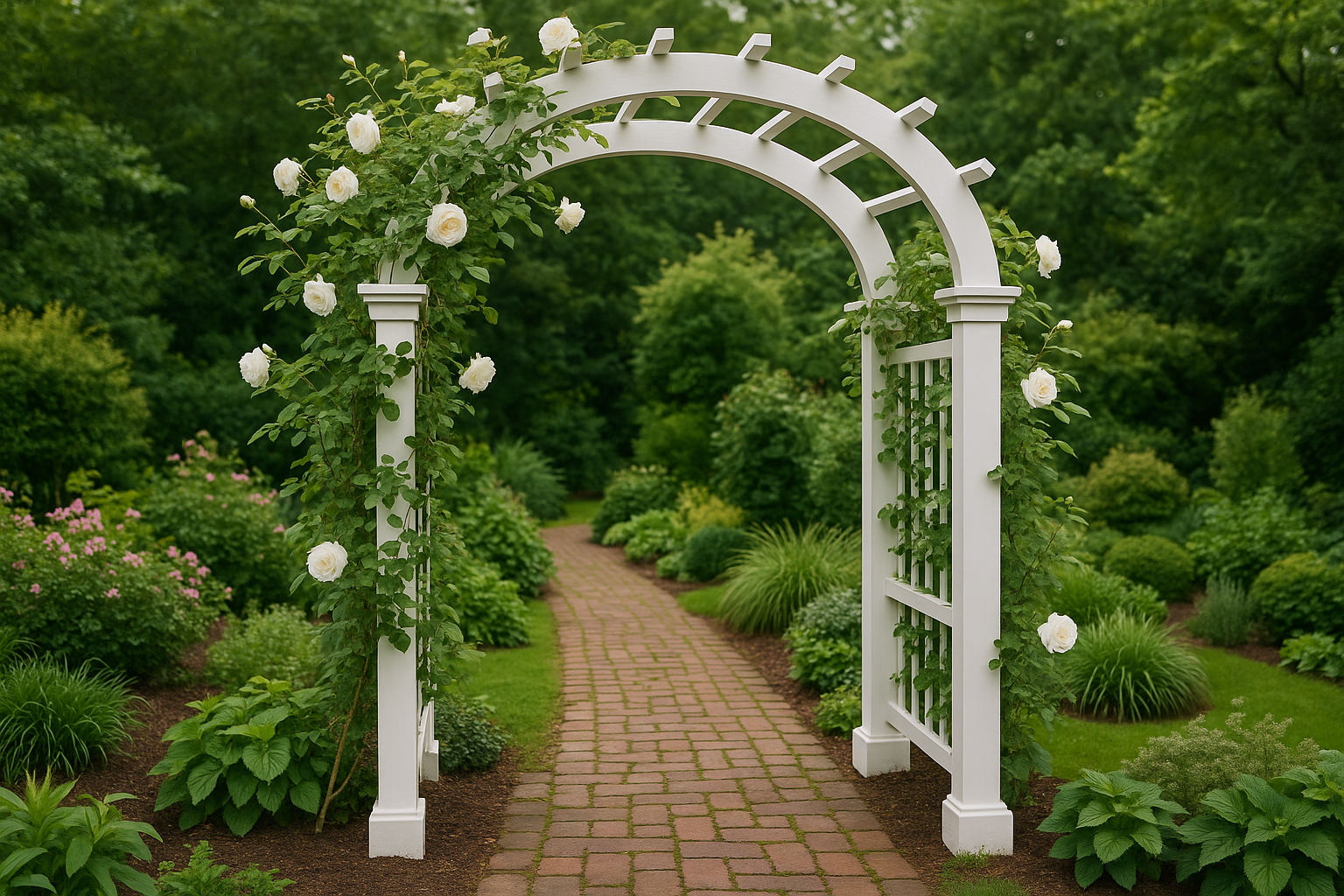
Curved tops, decorative scrollwork, and soft paints (white, sage, or cream) characterize this style. It pairs beautifully with roses, clematis, or wisteria for that storybook entrance.
Modern Minimalist Arbor
Straight lines, unadorned wood or powder-coated steel, and neutral tones define a modern arbor. Use rectangular shapes and integrate clean lighting for a sleek, contemporary feel.
Cottage-Style Arbor
Informal and charming, cottage arbors often use natural wood, rough finishes, and overloaded plantings. They work well with mixed borders and winding pathways.
Japanese-Inspired Arbor
Low profiles, simple geometry, and a focus on natural materials make this style meditative and understated. Combine with bamboo, stone paths, and clipped shrubs for a serene corner.
Choosing Materials
- Wood: Warm and traditional. Cedar and redwood resist rot and insects; pressure-treated lumber is budget-friendly but needs finishing.
- Metal: Steel or aluminum works for modern looks and thin profiles. Powder coating prevents rust and extends life.
- Vinyl/PVC: Low maintenance and long-lasting, though it may lack the natural texture of wood.
- Reclaimed Materials: Old beams or salvaged iron create unique character and sustainable value.
Planting Ideas for Your Arbor
Plants define how your arbor will look through the seasons. Consider bloom time, scent, foliage, and maintenance when selecting climbers.
Flowering Climbers
- Roses (rambling or climbers) for classic romance
- Clematis for long-season color and variety
- Wisteria for dramatic spring cascades (requires strong support)
Foliage-Forward Climbers
- Honeysuckle for fragrance and wildlife appeal
- Ivy and wintergreen vines for year-round structure
- Trumpet vine for bold leaves and hummingbird attraction
Edible and Functional Climbers
Grape vines, kiwi, and certain beans or cucumbers can make your arbor both beautiful and productive.
Sizing, Placement, and Proportion
Match the arbor size to the space and surrounding elements. A tiny garden needs a narrow, low arbor to avoid overwhelming the yard, while a large lawn can support wider, taller structures. Keep sightlines and pathways in mind:
- Allow at least 24–36 inches of clear walkway under the arbor.
- Height typically ranges from 7 to 9 feet for comfortable passage.
- Scale the arbor to nearby architecture and vegetation so it complements rather than competes.
Lighting and Decorative Touches
Lighting extends usability into the evening and highlights features. Try solar string lights, uplighting on posts, or recessed path lights. Add hanging lanterns, planters on the posts, or built-in seating to increase functionality and charm.
DIY vs Prefab Arbors
DIY builds allow customization and often save money, but they require tools and time. Prefab arbors are convenient and come in many finishes. Consider the following:
- DIY: Great for unique dimensions, reclaimed materials, or custom paint. Ideal if you enjoy woodworking.
- Prefab: Faster installation, warranty options, and consistent quality. Best for renters or quick upgrades.
Maintenance Tips
Simple upkeep keeps an arbor attractive for years:
- Inspect annually for rot, rust, and loose fasteners.
- Re-stain or repaint wooden arbors every 3–5 years depending on exposure.
- Prune climbers to manage weight and encourage healthy growth.
- Use galvanized or stainless steel hardware to prevent corrosion.
Budget-Friendly Arbor Ideas
On a tight budget, consider these options:
- Use simple timber posts with a basic crossbeam and grow fast-climbing vines.
- Build a lightweight lattice frame from treated pine or plywood offcuts.
- Repurpose doors or gates as a unique entrance arbor.
Seasonal and Accessibility Considerations
Plan for year-round interest by combining evergreen and deciduous vines. If accessibility matters, ensure the path under the arbor is level and wide enough for wheelchairs or strollers.
Conclusion
An arbor is an affordable, high-impact addition that enhances garden structure, supports plants, and creates memorable entrances. With thoughtful style choices, the right materials, and plant selections suited to your climate, you can design an arbor that fits your space and personality. Start small, plan for maintenance, and let your arbor grow into a focal point you enjoy year after year.