
Front Yard Landscaping: Practical Ideas to Boost Curb Appeal and Function
Introduction
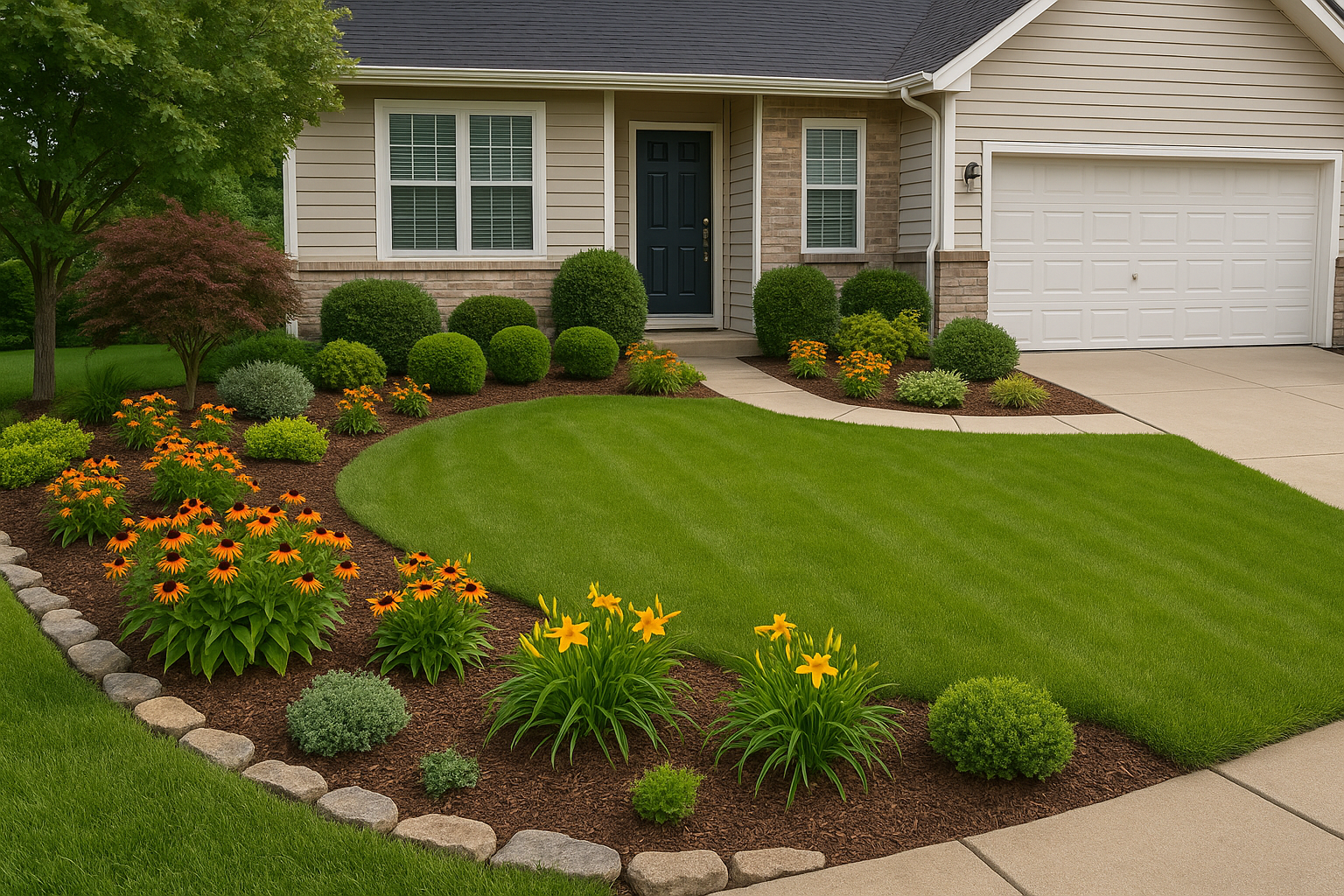
Your front yard is the first impression your home makes. Thoughtful front yard landscaping does more than look good — it creates a welcoming entry, increases property value, and can even reduce maintenance and water use when planned well. This guide walks you through practical steps, design principles, plant choices, and maintenance tips to create a front yard that’s beautiful and functional.
Start with a Plan
Assess your space and needs
Before buying plants or paving stones, take time to observe the site. Note sunlight patterns, soil type, drainage, views from the street and the home, and existing features you want to keep. Ask yourself what you need: low maintenance, kid-friendly space, room for seasonal color, or improved accessibility.
Create a simple layout
Sketch a rough plan showing walkways, planting beds, lawn areas, and focal points. Prioritize a clear path to your front door and a welcoming focal point like a tree, specimen shrub, or a coordinated planting bed.
Design Principles That Work
Balance and scale
Choose plant and hardscape sizes that match your home. Large houses can handle bigger trees and bolder features. Smaller homes benefit from more restrained elements that don’t overpower the facade.
Repetition and rhythm
Repeating plant varieties or materials creates harmony and guides the eye. Use groups of three or five for smaller plants, and repeat a paving material to tie areas together.
Contrast and focal points
Use contrasting textures and colors to create interest. A dark-leaved shrub near light-colored flowers creates a natural focal point without extra clutter.
Plant Selection Tips
Choose the right plants for light and soil
Match plants to the microclimates in your yard. Drought-tolerant species work well on sunny slopes; shade-loving plants thrive near large trees. Native plants often require less water and maintenance and support local wildlife.
Layer for year-round interest
Design in layers: canopy trees, understory shrubs, perennial borders, and groundcovers. Include spring bulbs, summer perennials, and evergreen structure so the yard looks good in every season.
Low-maintenance picks
- Evergreen shrubs for structure
- Perennials that self-seed minimally
- Mulch and groundcovers to suppress weeds
Hardscaping and Functional Elements
Paths and driveways
Paths should be direct and comfortable. Use materials that complement your home — gravel for casual cottages, pavers for traditional homes, or poured concrete for modern styles. Add gentle curves to soften the approach.
Entry features and accents
Consider a small retaining wall, a low fence, or a pair of planters to frame the entrance. These details add personality and define the front yard without overwhelming it.
Lighting
Good lighting improves safety and highlights features at night. Use path lights to guide visitors, uplights for architectural trees, and subtle downlighting near steps and the porch.
Sustainable and Practical Strategies
Water-wise landscaping
Group plants with similar water needs and use drip irrigation or soaker hoses to conserve water. Mulch beds heavily to retain moisture and keep roots cool.
Soil health and compost
Invest in healthy soil. Amending planting beds with compost improves drainage and plant vigor, reducing long-term maintenance and fertilizer needs.
Wildlife-friendly features
Include native flowering plants and a water source to attract pollinators and birds. Even small yards can support biodiversity with smart plant choices.
Maintenance Essentials
Set a realistic maintenance schedule. Regular small tasks — seasonal pruning, spot-weeding, and mulch top-ups — keep a landscape looking cared-for without large time investments. Consider planting low-maintenance groundcovers to reduce lawn area and mowing time.
Budgeting and Phasing
You don’t have to do everything at once. Prioritize structural elements like pathways and permanent plantings, then add seasonal color and decorative accents in phases. This spreads costs and allows you to refine the design as the landscape matures.
DIY vs Hiring a Professional
DIY is great for planting, mulching, and small hardscapes. Hire a landscape designer or contractor for large grading jobs, complex drainage solutions, or if you want a cohesive plan and construction oversight. A professional can also help you choose long-lived materials that fit your budget.
Seasonal Considerations
Plan for winter structure and spring preparation. Prune at the right times for each species, protect young plants from frost, and refresh mulch in late spring. A calendar of seasonal tasks keeps work manageable.
Conclusion
Front yard landscaping combines creativity and practicality. With a clear plan, the right plant choices, smart hardscaping, and low-maintenance habits, you can create a welcoming front yard that boosts curb appeal and suits your lifestyle. Start small, prioritize the essentials, and enjoy watching your yard grow into a space that feels like home.