
Drainage Swales: A Practical Guide to Design, Installation, and Maintenance
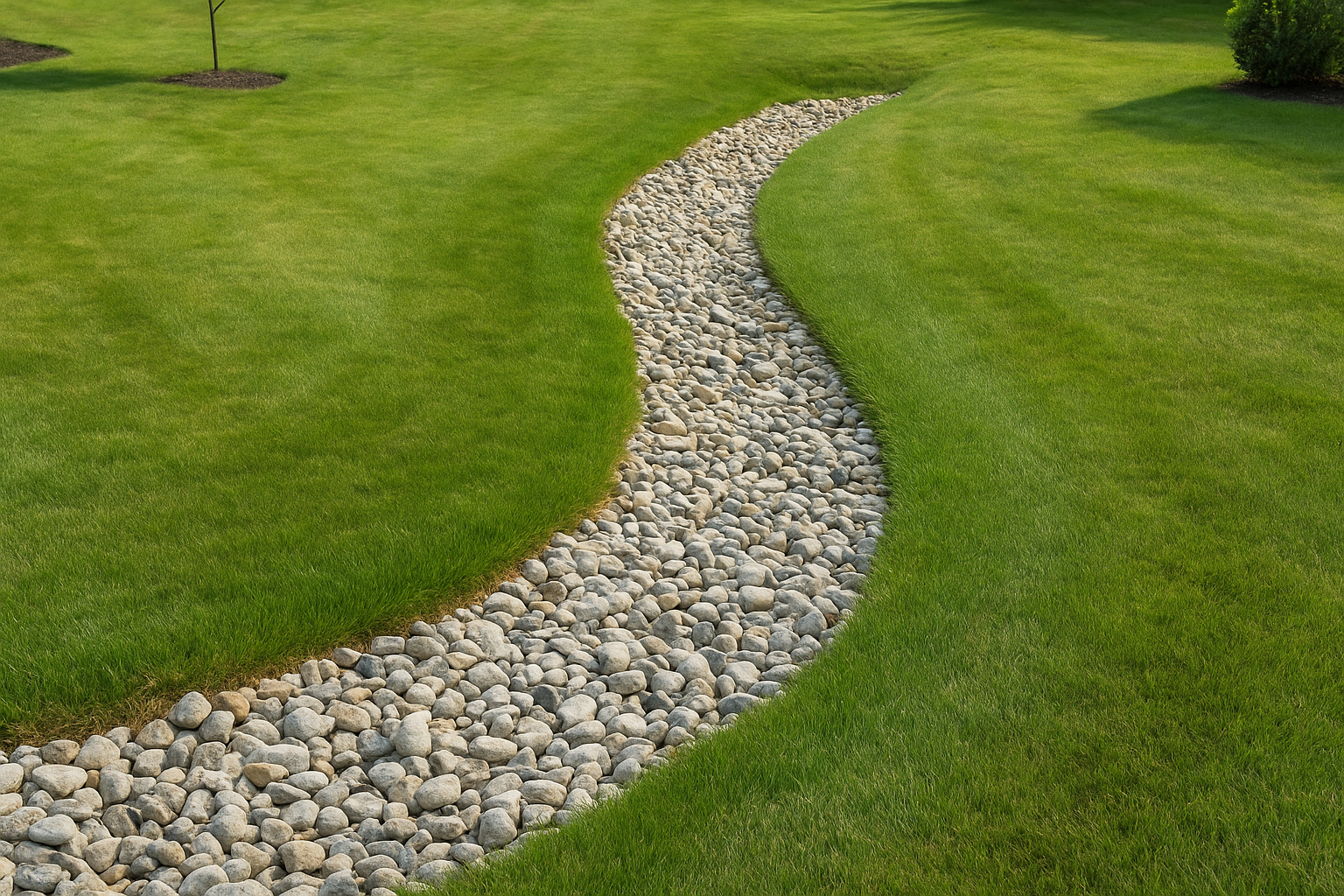
What is a drainage swale?
Drainage swales are shallow, vegetated channels designed to move, slow, and infiltrate stormwater. Unlike buried pipes, swales manage runoff on the surface using gentle slopes, plants, and sometimes stone or mulch. They’re an economical, eco-friendly option for controlling erosion, managing stormwater, and improving site aesthetics.
How drainage swales work
Swales function by capturing runoff from roofs, driveways, streets, and compacted soils and directing it along a planned path. As water flows through the swale, vegetation and soil slow the velocity, allowing sediments to settle and increasing infiltration into the ground. In some designs, overflow structures or underdrains are used to convey excess water during heavy storms.
Benefits of using swales
- Cost-effective: Generally cheaper than underground piping and storm sewers.
- Environmental: Promote groundwater recharge and help filter pollutants.
- Erosion control: Reduce concentrated flow velocities that cause gullies and channel erosion.
- Aesthetic value: When planted well, swales can enhance landscapes with native grasses and wetland plants.
- Flexibility: Easy to retrofit into existing landscapes or integrate into new developments.
Types of drainage swales
- Grass swales: Simple, cost-effective channels planted with turf or native grasses.
- Vegetated swales: Use a mix of grasses, sedges, and forbs for improved pollutant uptake and habitat value.
- Rock-lined swales: Feature rocks or riprap where higher flows or erosion potential exist.
- Infiltration swales: Designed with porous soils and amended substrates to maximize groundwater recharge.
Design considerations
Good design is critical to long-term performance. Consider these key factors when planning a swale:
Sizing and capacity
Start by estimating the drainage area and design storm (often a 10- or 25-year event for swales). Swale width, depth, and length determine storage and conveyance capacity. A wider, shallower swale often performs better for infiltration and maintenance.
Slope and gradient
A gentle slope generally works best: too steep and you risk erosion; too flat and water may pond. Typical slopes range from 1% to 4%, though site conditions and soil types can change that recommendation.
Soil and infiltration
Test soils to determine infiltration rates. Clay-rich soils may need amended subsoils, underdrains, or engineered infiltration media. Sandy soils allow quick infiltration but can transmit contaminants—consider vegetation that helps uptake pollutants.
Vegetation and planting
Select robust, native plants adapted to both wet and dry conditions. Deep-rooted grasses and sedges stabilize banks and increase soil porosity. Mulch or erosion control matting can help establish plants on steeper grades.
Outlet and overflow management
Design a safe overflow path or armored outlet for flows that exceed the swale’s capacity. Consider energy dissipation structures such as rock aprons or check dams for high-flow locations.
Installation basics
- Clear and grade the swale alignment, maintaining the designed slope and cross-section.
- Amend soils if necessary to improve infiltration and plant growth.
- Install erosion control fabrics, rock, or check dams where higher velocities are expected.
- Seed or plant with chosen vegetation and apply mulch to protect seedlings.
- Install any required underdrains, inlet structures, or overflow outlets.
Maintenance tips
Routine maintenance keeps swales functioning and attractive. A few practical practices:
Inspection schedule
Inspect after major storms and at least seasonally. Look for signs of erosion, sediment buildup, standing water, or damaged vegetation.
Vegetation care
Remove invasive species, re-seed bare areas, and mow carefully—avoid mowing too low, which reduces infiltration and plant resilience.
Sediment and debris removal
Accumulate sediment reduces capacity. Remove settled silt from the shallow channel and dispose of it properly. Keep inlets and outlets clear of trash and leaves.
Common mistakes to avoid
- Underestimating the drainage area or design storm intensity.
- Using inappropriate vegetation that can’t tolerate periodic inundation.
- Neglecting a safe overflow route—this leads to unintended erosion elsewhere.
- Skipping soil tests and installing swales in poorly draining clay without amendments.
When to consult a professional
Small residential swales can often be designed and installed by experienced homeowners or landscapers. But for sites with steep terrain, high runoff volumes, regulatory constraints, or critical infrastructure nearby, consult a civil engineer or stormwater professional to ensure safety and compliance with local codes.
Conclusion
Drainage swales are a versatile, cost-effective tool for managing stormwater naturally. With thoughtful design, appropriate plantings, and regular maintenance, a swale can reduce erosion, improve water quality, and add landscape value. Start small, monitor performance, and adapt your approach as the swale matures—your property and the watershed will thank you.