
Backyard Arbors: Design Ideas, Materials, and Care for a Charming Outdoor Accent
Why Add an Arbor to Your Backyard?
An arbor is more than a decorative gateway — it frames views, creates vertical interest, and can define separate outdoor rooms. Whether you want a focal point at the garden entrance, a shaded nook for morning coffee, or a vine-covered backdrop for photos, an arbor adds charm and purpose to your landscape.
Popular Types of Backyard Arbors
Traditional Arbors
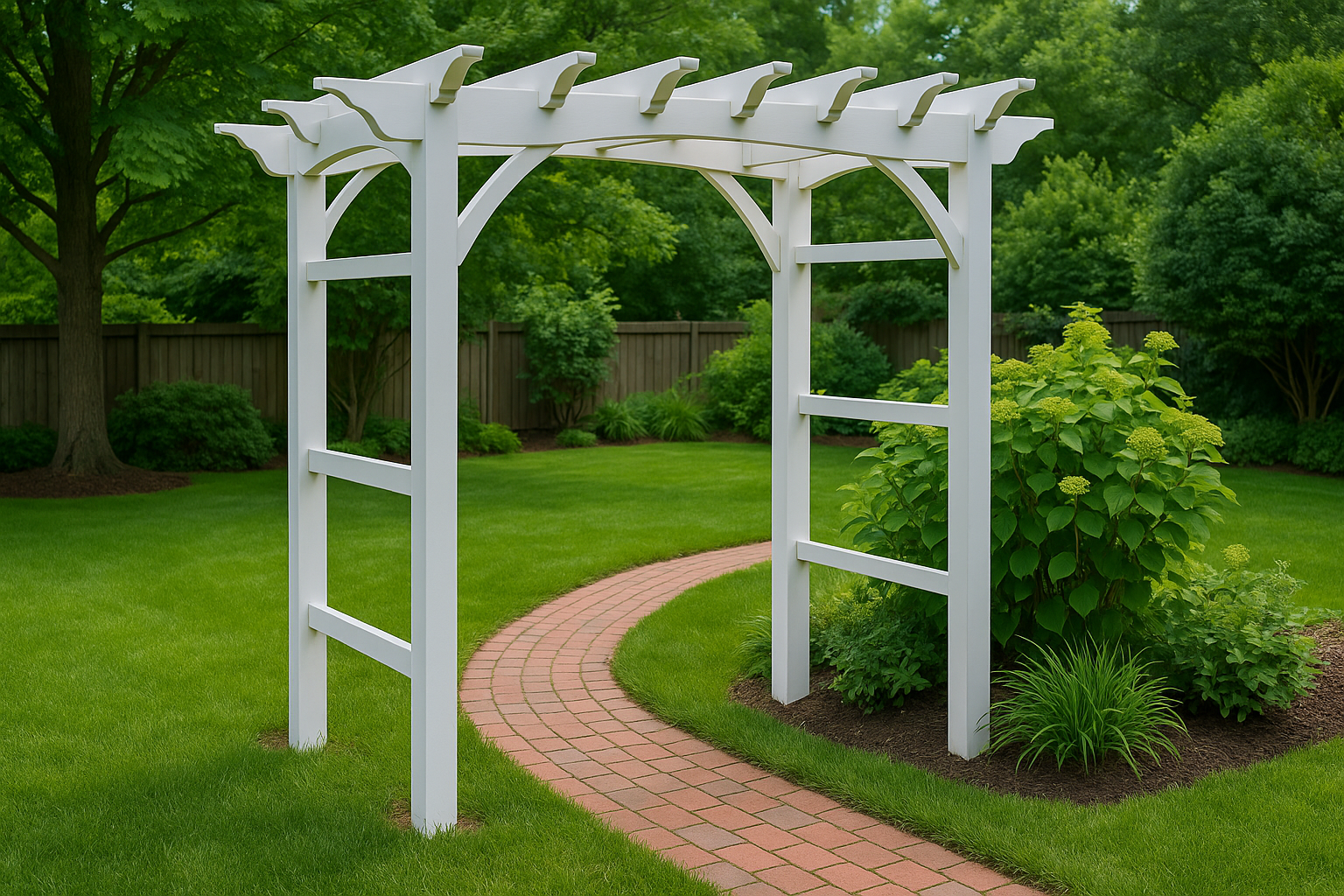
Classic arbors feature an arched top and open sides. They work well at pathways or entrances and pair beautifully with climbing roses, clematis, or wisteria for a romantic, timeless look.
Trellis Arbors
Trellis-style arbors emphasize lattice work, providing plenty of support for vines while offering partial screening. These are ideal when you want more privacy or a habitat for flowering climbers without obstructing light.
Pergola-Style Arbors
Pergola arbors have a more substantial, horizontal slatted roof. They offer dappled shade and a modern aesthetic, making them great over seating areas or dining spaces.
Freestanding vs Attached
Freestanding arbors can be placed anywhere in the yard to create focal points, while attached arbors connect to a fence, deck, or home and often serve as transitions between spaces. Consider how you want people to move through the garden when choosing.
Choosing the Right Material
Wood
Wood is the most popular choice because it feels natural and is easy to customize. Cedar and redwood resist rot and insects better than untreated pine. Wood takes stain or paint well, so you can match your home or garden palette.
Metal
Wrought iron or powder-coated steel arbors are slim, durable, and lend a vintage or industrial vibe. Metal is low-maintenance but can get hot in direct sun, and heavier styles may require a sturdier foundation.
Vinyl and Composite
Vinyl and composite arbors are virtually maintenance-free and resist rot, fading, and pests. They’re a good option if you want a long-lasting structure with minimal upkeep, though customization is more limited than with wood.
Design and Placement Tips
Scale and Proportion
Match the arbor size to your yard and nearby structures. A tiny lawn can be overwhelmed by an oversized arbor, while a large backyard may need a bold, substantial piece to make an impact. Ensure doorways and pathways remain functional.
Positioning and Pathways
Place arbors where they guide movement — at the start of a path, between garden rooms, or framing a scenic view. Anchoring an arbor on a straight path creates a strong visual axis, while a curved path offers a more natural, intimate feel.
Plant Pairings
Choose climbing plants that suit your climate and the amount of sun the site gets. Fast growers like honeysuckle and jasmine establish quickly; slower growers like climbing roses reward patience with sustained blooms. Mix seasonal vines for year-round interest.
DIY vs Hiring a Pro
- DIY: Building an arbor is a popular weekend project if you’re handy. Kits simplify assembly. DIY is cheaper and allows customization, but it requires tools and time.
- Professional: Contractors provide precise installation, especially important for large or heavy designs that need secure footings. Pros can also help with permits and integrate the arbor into a landscape plan.
Maintenance and Longevity
Routine care keeps an arbor looking great for years. For wood, apply sealant or paint every few years and inspect for rot at base posts. Clean metal arbors and touch up paint to prevent rust. Trim vines regularly to prevent excessive weight and airflow blockage, which can lead to moisture problems.
Budgeting and Cost Considerations
Costs range widely: a simple DIY kit can be under a few hundred dollars, while custom wooden or metal arbors installed professionally can run into thousands. Factor in materials, labor, plantings, and any foundation work when planning your budget.
Conclusion
Backyard arbors are a versatile, relatively affordable way to elevate your outdoor space — adding structure, shade, and visual interest. With the right design, material, and placement, an arbor can become the signature element of your garden. Start by assessing your space and style, then choose an arbor that complements your landscape and lifestyle.