
Backyard Landscape Design: Practical Tips to Transform Your Outdoor Space
Introduction
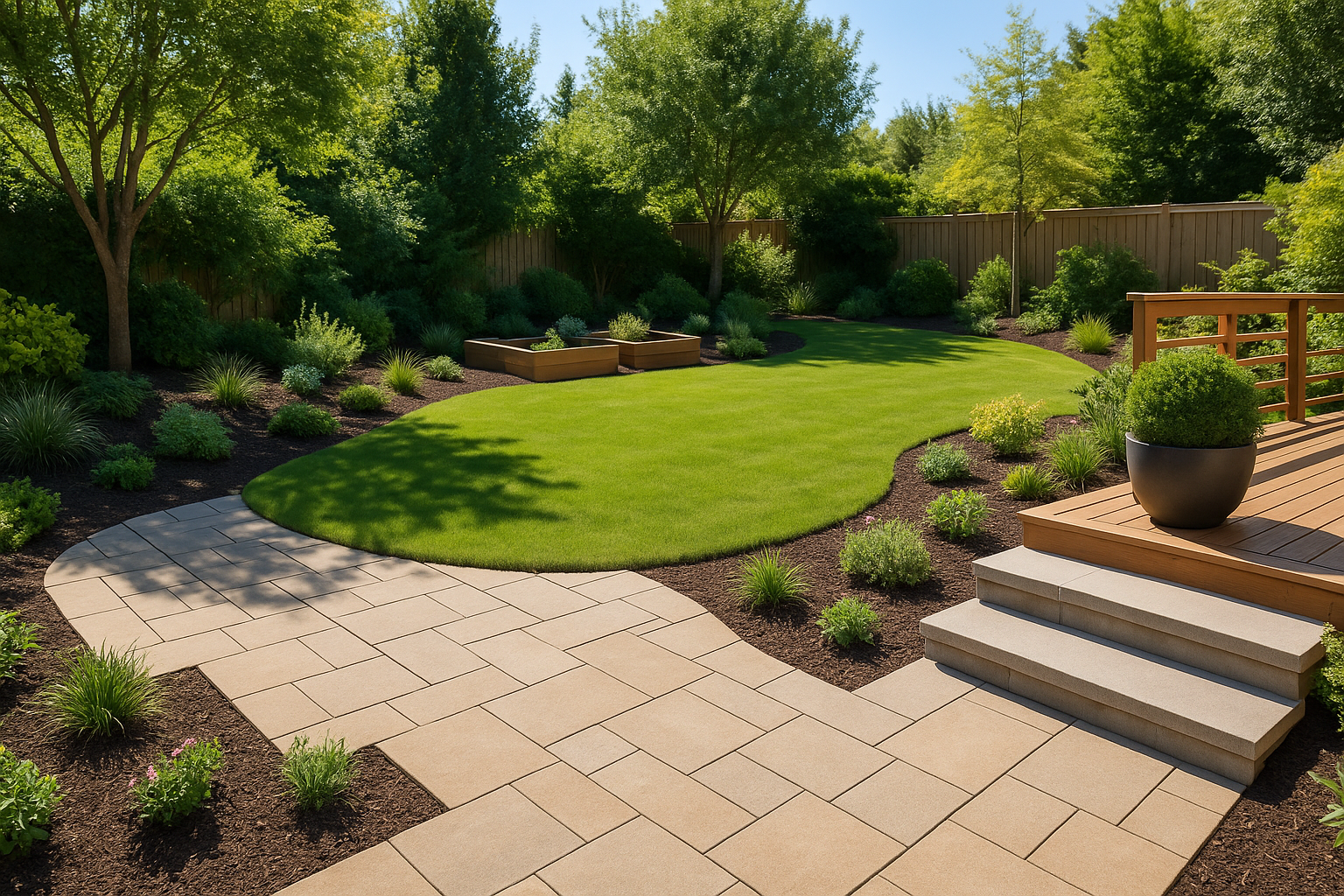
Designing a backyard that feels like an extension of your home can boost enjoyment, increase property value, and create a peaceful refuge for everyday life. This guide walks through practical backyard landscape design steps you can use whether you have a tiny patio or a sprawling yard.
Planning Your Backyard Landscape
Define Purpose and Priorities
Start by listing how you want to use the space: entertaining, gardening, play areas for kids, quiet reading nooks, or a vegetable patch. Prioritizing functions helps shape pathways, seating, and plant placement so the yard serves your lifestyle first.
Assess Site Conditions
Observe sun exposure, wind patterns, soil type, drainage, and existing trees or structures. Take notes through different times of day to see where shade and sun fall. This information prevents common mistakes like planting sun-loving species in shade or building a patio in a flood-prone spot.
Create a Simple Layout
Use a basic sketch to map zones and circulation routes. Aim for clear paths between the house, gates, and key features so movement feels natural. Adding a focal point such as a water feature, sculpture, or specimen tree anchors the design and draws the eye.
Design Elements to Consider
Plant Selection and Layering
Choose plants suited to your climate and soil. Think in layers: trees for structure, shrubs for mid-height interest, and perennials or groundcovers for color and texture. Group plants by water needs to simplify irrigation and reduce waste.
Hardscaping: Paths, Patios, and Walls
Hardscape elements provide stability and function. Select materials that match your home style: natural stone for a classic look, pavers for a modern feel, or gravel for an informal path. Consider permeability for stormwater management and choose materials that are durable and low maintenance.
Lighting and Outdoor Living
Outdoor lighting extends usable hours and highlights design features. Combine ambient lighting for safety, task lighting for cooking and dining areas, and accent lighting for plants or architectural elements. Comfortable seating, an outdoor rug, and a fire pit or heater make the space inviting year-round.
Maintenance and Sustainability
Low-Maintenance Strategies
Choose drought-tolerant plants, install drip irrigation, and use mulch to retain moisture and suppress weeds. Native plants generally require less fertilizer and care. Design with simplicity in mind to reduce time spent on upkeep.
Water-Wise Landscaping
Incorporate rain gardens, swales, or permeable paving to manage runoff. Capture rainwater with barrels for irrigation and choose plants grouped by water needs. These steps save money and create a resilient landscape during droughts.
Soil Health and Biodiversity
Improve soil with organic matter to promote healthy roots and beneficial microbes. Add pollinator-friendly plants and provide habitat features like birdbaths or native plants to support local wildlife. A healthy ecosystem makes your garden more vibrant with less intervention.
Budgeting and Phasing Your Project
Set a Realistic Budget
Costs vary widely between simple DIY updates and full professional remodels. Prioritize investments that deliver value: good drainage, structural elements, and long-lived plants. Track costs by breaking the project into materials, labor, and ongoing maintenance.
Phase Work Over Time
If budget or time is limited, phase your project. Start with essential hardscape and main circulation, then add plantings and decorative elements in seasons or years to come. This staged approach gives immediate improvement while spreading costs.
Practical Tips for Success
- Test soil and amend before planting for stronger growth.
- Choose a limited color palette to create cohesion and reduce visual clutter.
- Think about scale—match plant and hardscape sizes to your yard so nothing feels overpowering.
- Use native and adaptive species to minimize maintenance and support biodiversity.
- Consult professionals for major grading, drainage, or structural builds.
Conclusion
Thoughtful backyard landscape design blends function, beauty, and sustainability. By planning purposefully, choosing the right materials and plants, and phasing projects within your budget, you can create an outdoor space that meets daily needs and grows more enjoyable over time.