
September Landscaping Tips: Prep Your Yard for a Healthy Fall and Spring
Why September Matters for Your Landscape
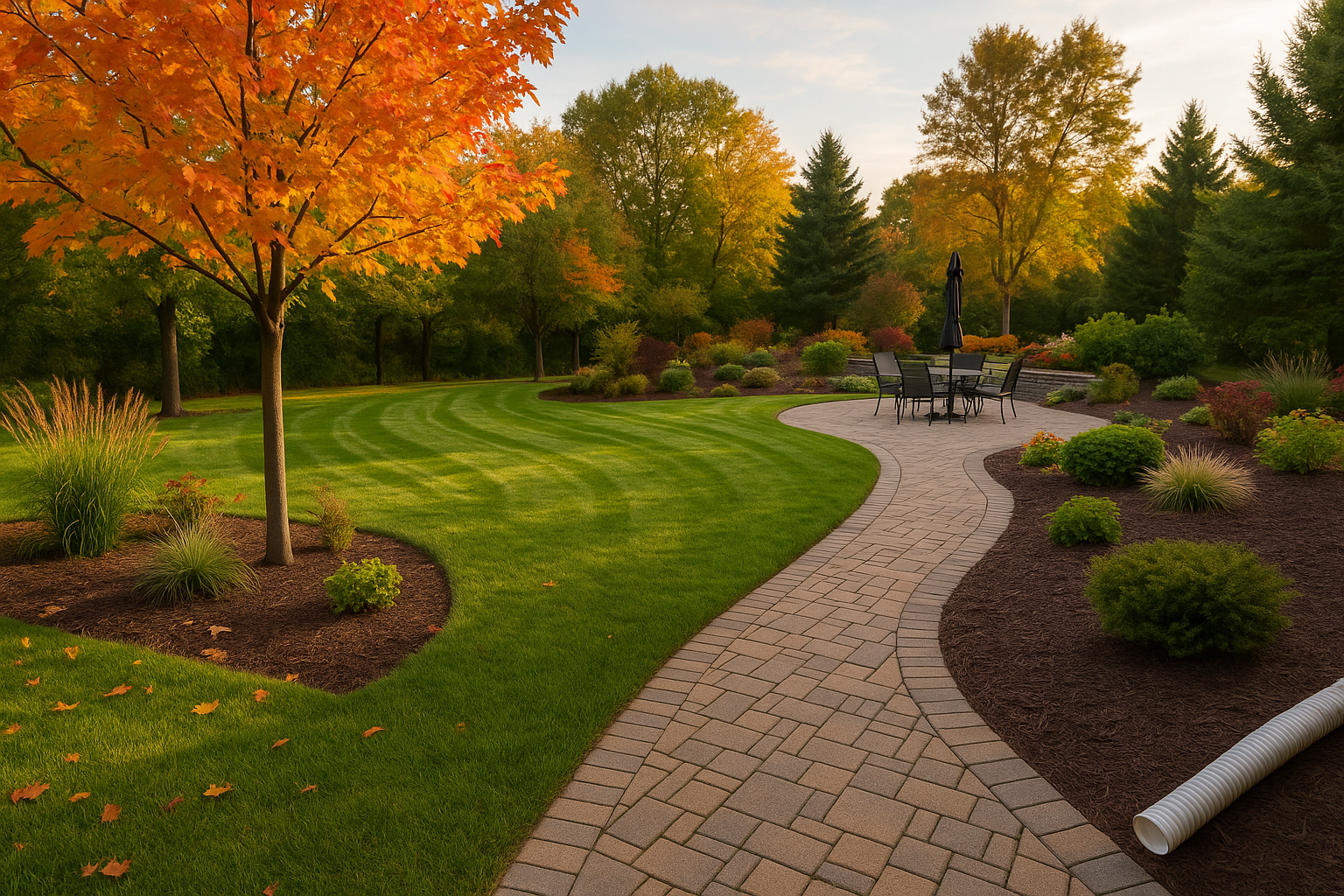
September is a transitional month: temperatures cool, days shorten, and both plants and soil respond. It’s one of the best times to get ahead of winter stress and set the stage for robust spring growth. With a few focused tasks now, your lawn, garden beds, trees and hardscapes will reward you with healthier growth and lower maintenance next year.
Lawn Care: Mow, Aerate, and Seed
Mow Strategically
Keep mowing regularly early in the month, but gradually lower blade height if you’ve been cutting high in summer. Aim to remove no more than one-third of the grass blade at a time so the lawn isn’t stressed.
Aerate Compact Soil
September is ideal for core aeration because soil temperatures are still warm enough for root activity. Aerating relieves compaction, improves water penetration, and helps seed-to-soil contact for overseeding.
Overseed Bare Spots
After aerating, overseed thin areas with a grass mix suited to your region. Keep seeded areas moist until new grass is established; light daily watering may be necessary for the first two weeks.
Fertilize Carefully
Apply a slow-release, phosphorus-balanced fertilizer to give roots a nutrient boost going into fall. Avoid high-nitrogen products late in the season as they can encourage tender top growth vulnerable to frost.
Planting: Bulbs, Trees, and Cool-Season Flowers
Plant Spring-Flowering Bulbs
September is prime time to plant bulbs like tulips, daffodils and crocuses in many climates. Plant at the recommended depth, add a little compost, and mark the beds so bulbs aren’t disturbed over winter.
Put in Trees and Shrubs
Cooler air and warm soil make fall a great season for planting trees and shrubs. New plantings experience less transplant shock and establish roots before heat returns. Water deeply after planting and apply a 2–3″ mulch ring, keeping it away from stems.
Add Cool-Season Annuals
For instant color, try pansies, ornamental cabbage, and snapdragons. These tolerate cooler nights and will brighten the yard while perennials go dormant.
Pruning, Cleanup, and Disease Prevention
Prune Dead and Crossing Branches
Remove dead, diseased or crossing limbs from trees and shrubs. Avoid heavy pruning of spring-flowering shrubs now—wait until after they bloom next year to preserve buds.
Clean Up Plant Debris
Rake fallen leaves and remove spent annuals to reduce overwintering pests and fungal spores. Consider composting healthy debris rather than bagging it, but discard disease-ridden material.
Watch for Pests and Diseases
Inspect plants for lingering pests like aphids or scale and treat as needed. Applying dormant fungicide sprays in late fall can reduce problems like apple scab and other fungal diseases in spring.
Irrigation and Water Management
Adjust Watering Schedule
As temperatures cool, reduce irrigation frequency but water deeply to promote root growth. Check soil moisture before watering; overwatering encourages shallow roots and disease.
Winterize Sprinkler Systems
In colder climates, winterize irrigation systems to prevent freeze damage. Drain and blow out lines, or follow your system manufacturer’s winter prep procedure.
Hardscape and Tool Maintenance
Repair and Prepare Hardscapes
Use September’s mild weather to repair retaining walls, pathways, and patios. Clean paver joints, reapply sealant if needed, and fill any gaps to prevent winter heaving.
Sharpen and Service Tools
Sharpen mower blades, clean pruners, and service your power tools so everything is ready for fall cleanup and next spring. Oiled and sharp tools are safer and more effective.
Composting, Mulching, and Wildlife
Start or Maintain a Compost Pile
Layer shredded leaves, grass clippings and vegetable scraps to build compost. Turn it periodically—by spring you’ll have rich organic matter to amend beds.
Mulch for Insulation
Apply 2–3″ of organic mulch around trees and beds to moderate soil temperature, suppress weeds, and retain moisture. Keep mulch a few inches away from trunks to avoid rot.
Consider Wildlife Needs
Provide water and late-season native plants to support pollinators preparing for winter. Avoid pesticides where possible so beneficial insects can thrive.
Timing Checklist: Early, Mid, and Late September
- Early September: Mow strategically, begin watering adjustments, plant bulbs in warmer zones.
- Mid September: Aerate and overseed, prune dead branches, service tools.
- Late September: Final cleanups, winterize irrigation in cold climates, lay down mulch.
Final Tips
Pay attention to your local climate and frost dates—tasks vary by zone. Keep a simple seasonal checklist and you’ll avoid last-minute stress. Small, consistent efforts in September make a big difference in how your landscape looks and performs next year.
Conclusion
September is a golden window for smart landscaping: lawn recovery, planting, cleanup and maintenance all pay dividends. With targeted effort now, you’ll enjoy a healthier, lower-maintenance yard and brighter spring blooms. Start with a short checklist and tackle tasks over a few weekends for the best results.