
Pathway Lighting Solutions: Design Tips, Types, and Installation Advice
Brighten Your Walkways: An Introduction to Pathway Lighting
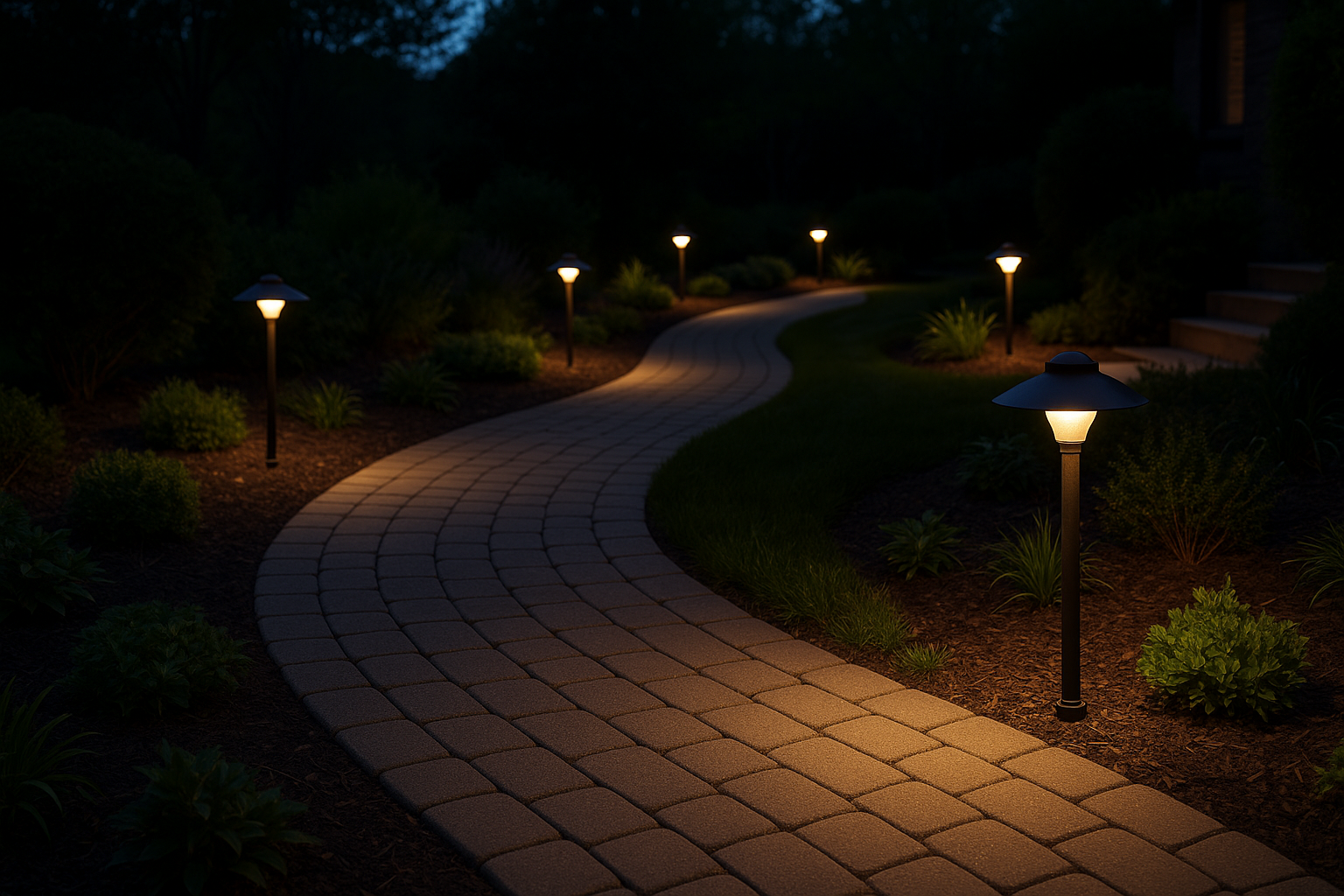
Pathway lighting does more than illuminate a route from A to B. It sets the mood, increases safety, and enhances curb appeal. Whether you’re upgrading an existing system or planning landscape lighting for a new yard, choosing the right pathway lighting solutions makes a big difference. This guide walks through popular fixture types, design principles, energy options, installation tips, and maintenance so you can create a functional and beautiful nighttime landscape.
Why Pathway Lighting Matters
Good pathway lighting improves safety, highlights garden features, and extends usable outdoor hours. Thoughtful illumination prevents trips on steps and uneven surfaces while creating welcoming sightlines to your front door or garden. With modern LED and solar technology, you can achieve attractive results without high energy costs.
Types of Pathway Lighting
Solar Lights
Solar pathway lights are easy to install because they don’t require wiring. They’re ideal for small projects or renters. Look for models with efficient solar panels and lithium batteries for reliable runtime. Expect variable brightness depending on sun exposure and seasonal daylight.
Low-Voltage LED Lights
Low-voltage (12V) LED systems are the most common for residential pathways. They offer consistent brightness, long life, and a wide range of fixture styles—stakes, bollards, in-ground, and step lights. A transformer converts household voltage to low voltage, making installation safer and more flexible than line-voltage systems.
Bollard and Post Lights
Bollards are taller fixtures that create ambient illumination and help define pathways. They’re great for larger driveways or garden paths where you want statement lighting without glare. Choose diffused or downward-shielded designs to minimize light spill.
Recessed and In-Ground Fixtures
Recessed lights sit flush with paving and are excellent for modern, minimalist designs. They’re durable and unobtrusive, but require careful installation to ensure proper drainage and avoid damage from heavy loads.
Step and Stair Lights
Integrated step lighting increases safety on stairs and raised walkways. These fixtures are often wall-mounted or surface-mounted on risers and should be placed where they provide clear, even illumination without causing glare.
Design and Placement Tips
Spacing and Layout
Plan lighting spacing to create consistent illumination. For low-voltage path lights, spacing every 6–8 feet typically provides even coverage. For bollards and taller fixtures, you can space wider—10–20 feet—depending on brightness and beam spread. Always dry-fit fixtures before final placement.
Light Temperature and Beam Control
Choose warm white (2700K–3000K) for a welcoming, natural look that complements landscaping. Use narrow beams to highlight specific features and wide flood beams for general path illumination. Shielded fixtures keep light directed downward, reducing glare and light pollution.
Layer Lighting for Depth
Combine pathway lights with uplights for trees, accent lights for architectural elements, and subtle step lights to create layers. This approach adds depth and visual interest while maintaining functional safety on pathways.
Energy, Controls, and Maintenance
Energy-Efficient Options
LED fixtures are the most energy-efficient and have long lifespans. Pair LEDs with motion sensors or timers to reduce runtime and energy use. Solar lights can work well in sunny locations but may need supplemental lighting during cloudy seasons.
Smart Controls and Automation
Smart timers, dimmers, and home automation integration let you schedule lights, adjust brightness, and add remote control. Motion-activated lights can provide security-focused brightening only when needed, conserving energy and increasing fixture life.
Routine Maintenance
Maintain pathway lighting by cleaning lenses, checking connections, and replacing batteries in solar units. Periodically inspect wiring in low-voltage systems for corrosion or rodent damage and ensure transformers and junction boxes remain dry and secure.
Budgeting and Installation Advice
DIY vs Professional Installation
Small projects with solar or stake lights are friendly to DIYers. Low-voltage systems are manageable for homeowners comfortable with basic wiring and planning. For more complex wiring, trenching, hardscape integration, or meeting local electrical codes, hire a licensed electrician or landscape lighting professional.
Permits and Local Codes
Check local regulations for exterior lighting—especially if you’re connecting to line-voltage, installing in public-facing areas, or doing substantial trenching. Proper permits prevent fines and ensure the installation meets safety standards.
Integrating Pathway Lighting with Your Landscape
Think seasonally: place fixtures where plants won’t outgrow or obscure them, and leave access for pruning. Use warm light to complement foliage and brick tones, and avoid overlighting sensitive habitats. Layer artistic focal points with subtle path illumination to guide the eye.
Conclusion
Pathway lighting offers a high return on investment in safety, curb appeal, and usability. By choosing the right fixtures, planning placement, and balancing energy and control options, you can create a welcoming and functional outdoor environment. Start small if you need to, and build your system over time for the best results.