
Automatic Irrigation Systems: Smart, Efficient Watering for Healthy Landscapes
What Is an Automatic Irrigation System?
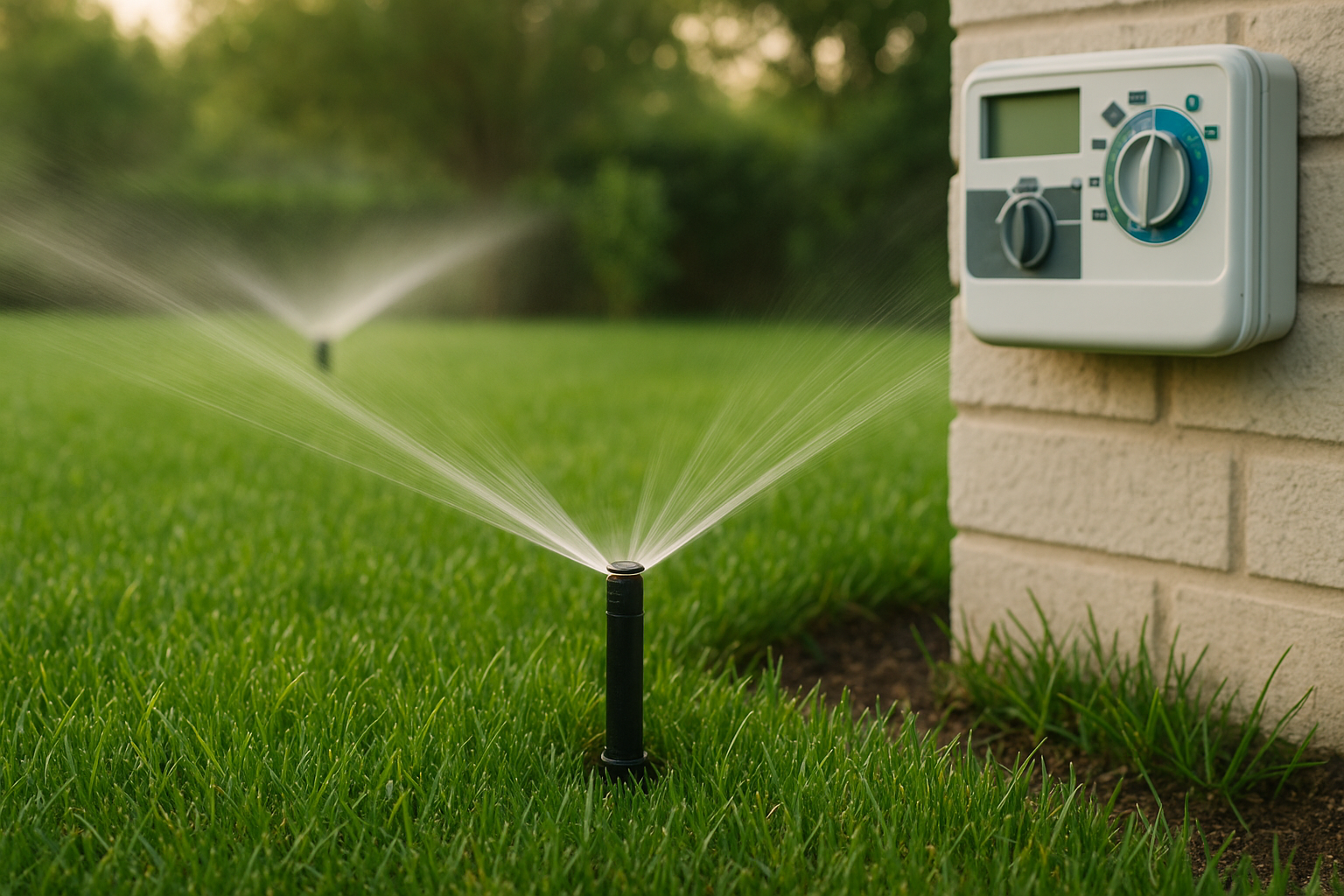
Automatic irrigation systems are designed to deliver the right amount of water to your plants on a schedule, without manual effort. From small residential drip setups to large lawn sprinkler networks, these systems automate watering so you get healthier plants, lower water bills, and more free time.
Benefits of Automatic Irrigation
Water Efficiency
Automatic systems like drip irrigation and micro-sprays target roots directly, reducing evaporation and runoff. Smart controllers and moisture sensors further cut waste by delaying watering after rain or when soil is still moist.
Time Savings
Set it and forget it—automatic timers run early mornings or late evenings when evaporation is low. That means no more dragging hoses around the yard or manually turning sprinklers on and off.
Improved Plant Health
Consistent, precise watering reduces plant stress, encourages deeper root growth, and lowers the risk of disease caused by over- or under-watering.
Types of Automatic Irrigation Systems
Drip Irrigation
Drip systems deliver water slowly at the base of plants, making them ideal for gardens, flower beds, and hedges. They can be installed with emitters, drip lines, or soaker hoses and excel at water conservation.
Sprinkler Systems
Pop-up spray heads and rotor sprinklers are common for lawns and larger turf areas. They cover broad areas but require careful zoning and pressure management to avoid overspray and runoff.
Soaker Hoses and Micro-Sprays
Soaker hoses are a budget-friendly option for beds and borders, while micro-sprays provide low-volume coverage for container gardens or delicate plantings.
Key Components Explained
Controller (Timer)
The controller is the brain of your system. Basic timers run fixed schedules; smart controllers adjust schedules based on weather, soil moisture, or plant type.
Valves and Zones
Solenoid valves divide your landscape into zones so you can water lawns, shrubs, and garden beds independently. Zoning helps match water delivery to plant needs and prevents pressure drops.
Sensors
Rain sensors, soil moisture probes, and flow sensors add valuable feedback. They prevent unnecessary watering and alert you to leaks or unusual usage.
Design and Installation Tips
Plan Zones Carefully
Group plants with similar water needs together. Lawns generally need more frequent watering than shrubs or native plantings. Correct zoning improves efficiency and plant health.
Check Water Source and Pressure
Measure water pressure and flow before buying components. High-efficiency nozzles and pressure regulators can reduce misting and ensure even coverage.
Seasonal Adjustments and Maintenance
Adjust schedules for seasonal changes, winterize systems in cold climates, and check emitters and heads for clogs at the start of each season. A little maintenance prevents big problems.
Smart Upgrades and Integration
Weather-Based Controllers
These controllers use local weather data to automatically reduce watering after rain or on cool days—saving water without sacrificing landscape health.
Remote Access and Apps
Many modern controllers connect to apps so you can change schedules, receive leak alerts, or run a manual cycle from your phone. This convenience is especially handy for vacation homes and busy households.
Troubleshooting Common Issues
Low Pressure or Poor Coverage
Low pressure can be caused by clogged filters, undersized pipes, or too many heads on one zone. Inspect filters, check for leaks, and consider breaking zones into smaller groups.
Leaks and Broken Emitters
Look for soggy patches or unusually green areas indicating leaks. Replace damaged tubing or heads and test valves for slow leaks.
Uneven Watering
Adjust nozzle types and spacing, and rotate sprinkler heads to balance coverage. In drip zones, ensure emitters are the right flow rate for each plant’s root zone.
Cost and Return on Investment
Installation Costs
Costs vary widely based on system type and property size. A simple drip system for a garden can be very affordable, while a full underground lawn sprinkler system is a larger investment.
Expected Savings
Water savings typically offset installation costs within a few years, especially in arid regions or where municipal water rates are high. Add-ons like weather sensors increase savings and speed up payback.
Final Thoughts
Automatic irrigation systems are a smart choice for homeowners and property managers who want healthier landscaping with less effort. With the right design, smart controls, and regular maintenance, you’ll save water, protect plants, and free up time to enjoy your outdoor space.
Conclusion
Whether you choose drip lines for your garden or a smart sprinkler setup for your lawn, automatic irrigation brings consistency and efficiency to watering. Start small, plan zones carefully, and upgrade to smart controls when you’re ready—your plants and your water bill will thank you.