
Native Plant Landscape Design: A Practical Guide to Beautiful, Sustainable Yards
What is native plant landscape design?
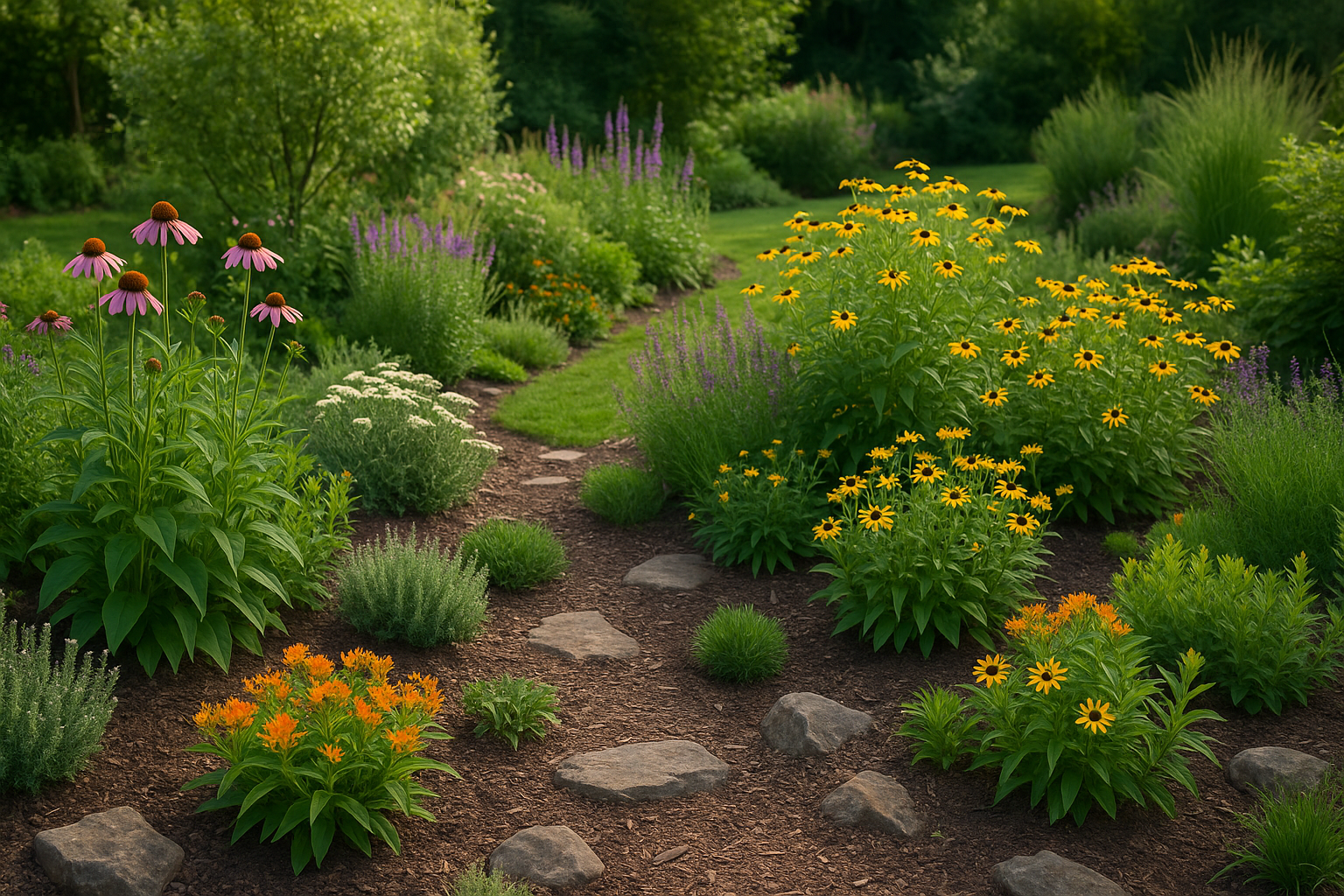
Native plant landscape design uses species that evolved in your local region to create outdoor spaces that look natural, support wildlife, and require fewer resources. Rather than mimicking formal, imported garden styles, this approach leans into local climate, soil, and seasonal rhythms to craft landscapes that thrive with less intervention.
Benefits of using native plants
Ecological advantages
Native plants support local ecosystems by providing food and habitat for birds, bees, butterflies, and beneficial insects. They often have co-evolved relationships with native wildlife, which means they can play a crucial role in maintaining biodiversity in urban and suburban areas.
Water and maintenance savings
Because native plants are adapted to local rainfall patterns and soils, they typically need less supplemental watering and fertilizer once established. That reduces maintenance time, water bills, and pollution from runoff.
Resilience and low chemical use
Native species tend to be more resilient to local pests and diseases, lowering the need for pesticides and fungicides. This creates a safer environment for families, pets, and pollinators.
How to plan your native plant landscape
Assess your site
Start by mapping sun exposure, soil type, drainage, and microclimates. Note existing trees, slopes, and areas that collect water. A simple site assessment helps you choose plants that will succeed where you place them.
Set realistic goals
Decide whether you want a wildlife-friendly meadow, a low-water front yard, a rain garden, or a mix of functional areas. Clear goals guide plant selection and layout, and help you prioritize budget and maintenance expectations.
Design with layers
Think vertically as well as horizontally: use a mix of canopy trees, understory shrubs, perennials, and groundcovers. Layering increases habitat complexity, visual interest, and seasonal structure.
Plant selection and placement
Choose local species
Consult regional native plant lists from your state extension office, native plant societies, or local nurseries. Choose species adapted to your USDA hardiness zone, soil pH, and moisture conditions.
Group for impact and ease
Planting in masses (three or more of the same species) creates stronger visual impact and makes maintenance easier. Group species with similar water and light needs together to simplify care.
Consider seasonality and succession
Mix early- and late-season bloomers, evergreen and deciduous species, and plants with varied seed and fruit timing. This ensures food and shelter for wildlife across seasons and keeps the garden interesting year-round.
Design tips and ideas
Naturalistic drifts and swaths
Rather than formal rows, place plants in flowing drifts that mimic natural meadows. This creates a relaxed, cohesive look and helps pollinators locate resource-rich patches.
Rain gardens and buffers
Use native plants to capture and filter stormwater in low-lying areas. Deep-rooted natives reduce erosion, improve infiltration, and filter pollutants before they reach waterways.
Edging and paths
Define edges with stone, mulch, or low native grasses to make naturalistic plantings feel intentional. Curved paths invite exploration and reduce the urge to trim or formalize native beds.
Maintenance and care
Establishment year
The first year requires the most attention: regular watering, mulching, and weeding as plants establish roots. Water deeply but infrequently to encourage deep rooting rather than shallow growth.
Long-term maintenance
Once established, most native landscapes need periodic weeding, occasional pruning, and seasonal cleanup. Embrace some leaf litter and spent seedheads—these provide habitat and nutrients. Use selective mowing or controlled burns only where appropriate to your region and regulations.
Common mistakes to avoid
- Choosing plants solely for appearance without matching site conditions.
- Planting single specimens instead of groups—masses are more resilient and visually effective.
- Over-tidying: removing seedheads and leaf litter eliminates habitat and food for wildlife.
- Buying non-local ecotypes: a species sourced from far away may not perform the same as a local strain.
Getting started: practical steps
- Download a native plant list for your region or visit a native plant nursery.
- Create a simple sketch of your yard with sun/shade areas and soil notes.
- Choose a small pilot area to convert—this reduces overwhelm and gives you a learning space.
- Amend the soil lightly if needed, mulch well, and commit to the first-year care plan.
Conclusion
Native plant landscape design is a practical, beautiful way to create resilient outdoor spaces that support wildlife and reduce maintenance. Start small, plan for your site, and lean into the seasonal beauty of local plants. Over time you’ll enjoy a healthier yard that feels like an extension of the local landscape.