
Modern Landscape Design: Principles, Elements, and Practical Tips
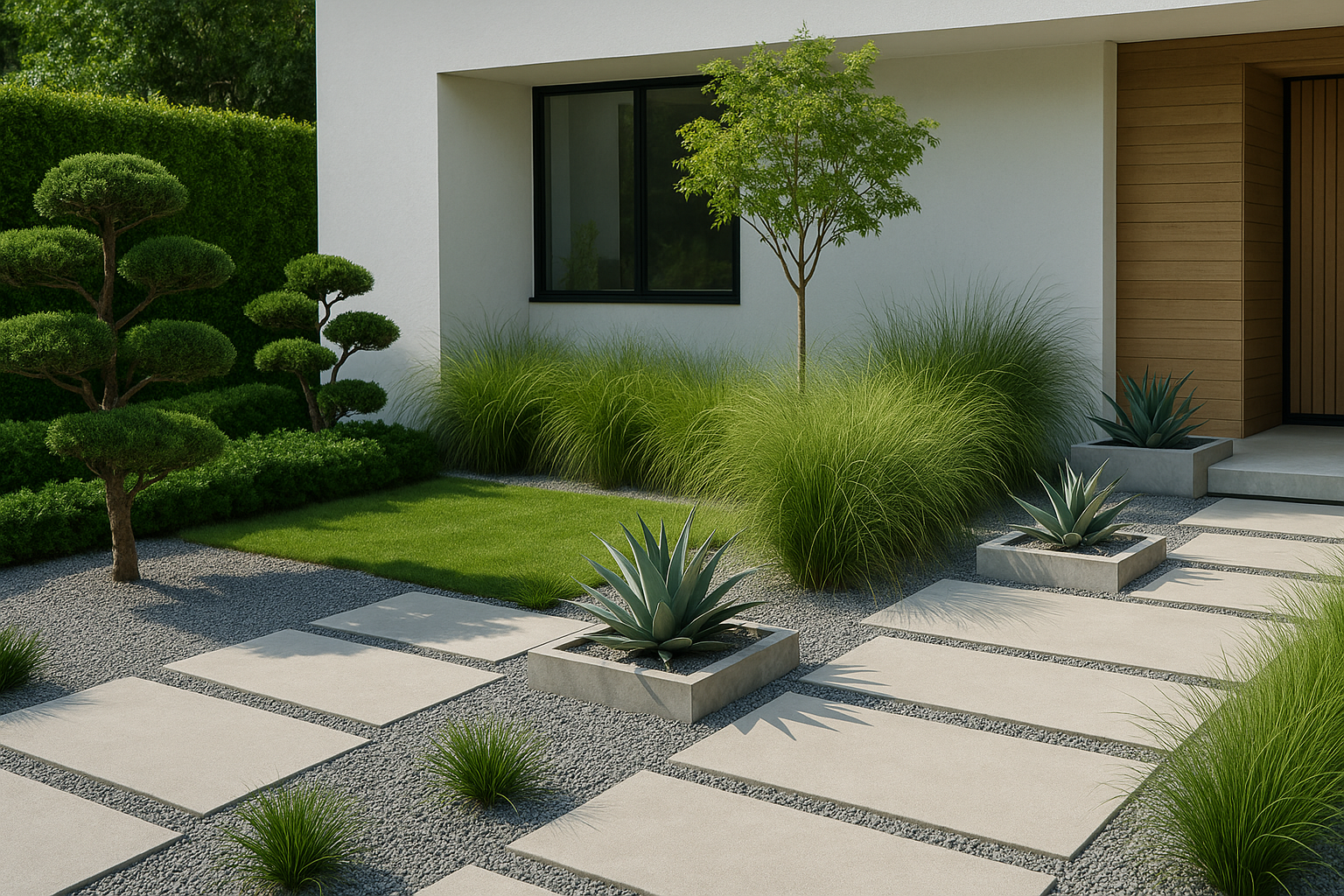
Modern Landscape Design: A Practical Guide
Modern landscape design blends clean aesthetics with functional outdoor living. Whether you have a compact urban patio or a suburban backyard, contemporary landscaping focuses on simplicity, sustainability, and purposeful spaces. This guide covers core principles, key elements, planting approaches, and maintenance tips to help you create a modern outdoor environment that feels inviting and intentional.
What Is Modern Landscape Design?
Modern landscape design emphasizes minimalism, geometry, and thoughtful material choices. It often features strong lines, restrained plant palettes, and a balance between hardscape and softscape. The goal is to create clarity—spaces that are easy to use, easy to maintain, and visually cohesive.
Core Principles
- Simplicity: Prioritize a few quality elements rather than many competing features.
- Functionality: Design spaces for living, entertaining, or relaxation with clear circulation paths.
- Balance: Use symmetry or deliberate asymmetry to create visual harmony.
- Contrast and Texture: Combine smooth surfaces with rough textures and varied plant forms.
- Sustainability: Incorporate water-wise strategies, native plants, and durable materials.
Key Elements of a Modern Landscape
Hardscaping: Form and Function
Hardscape defines the structure of a modern yard. Think geometric patios, linear walkways, raised planters, and simple retaining walls. Materials like concrete, corten steel, gravel, and natural stone are commonly used. A well-designed hardscape provides the skeleton that supports planting and outdoor activities.
Planting: Less Is More
Contemporary planting schemes favor repetition and limited palettes. Use groupings of a few species to create rhythm and visual calm. Grasses, structural shrubs, and architectural perennials often appear in modern designs. Native and drought-tolerant plants reduce maintenance and support local ecology.
Water Features and Fire Elements
Subtle water features—like linear bubblers or shallow reflecting pools—fit well with modern aesthetics. Fire elements such as minimalist fire pits add warmth and extend the usability of outdoor spaces. Keep these features proportional and integrated into the overall geometry.
Lighting: Highlight and Guide
Lighting is essential to showcase architectural lines and safe circulation after dark. Use uplighting for specimen plants, recessed step lights, and low-level path lights to maintain a clean nighttime ambiance. LED fixtures with warm color temperatures often work best.
Materials and Finishes
Choosing the right materials is critical in modern landscape design. Smooth concrete, large-format pavers, corten steel, and richly toned wood create a contemporary palette. Pair these with understated gravel beds, decomposed granite, or mulch for contrast. Quality finishes and precise installation make a big difference in perceived simplicity.
Sustainable Strategies
Modern design and sustainability go hand in hand. Consider:
- Rainwater Management: Rain gardens, bioswales, and permeable paving reduce runoff.
- Native Plantings: Boost biodiversity and lower irrigation needs.
- Efficient Irrigation: Drip systems and smart controllers save water.
- Materials Reuse: Recycle existing hardscape or choose reclaimed stone and wood.
Designing for Low Maintenance
If you want a modern landscape that’s easy to care for, prioritize hardy materials and plants that establish quickly. Limit high-maintenance lawns in favor of lawn alternatives like moss, clover mixes, or ornamental grasses. Group plants by water and maintenance needs to simplify care routines.
Practical Planting Tips
- Plant in sweeping drifts rather than isolated clumps to enhance cohesion.
- Use evergreen structure for year-round form and interest.
- Mulch well to suppress weeds and conserve moisture.
- Stagger flowering times among a few chosen species for seasonal interest without clutter.
Working with a Designer or Doing It Yourself
Hiring a landscape designer can help translate modern principles into a plan that suits your property and budget. If you tackle the project yourself, start with a clear site analysis: sun, wind, views, drainage, and how you want to use each area. Sketch simple zones, prioritize the hardscape, and phase planting over time to keep costs manageable.
Common Mistakes to Avoid
- Overcomplicating plant selection—simplicity is more powerful.
- Ignoring scale—choose elements that match your property size.
- Skipping proper drainage—water problems can undo even the best designs.
- Choosing style over comfort—make modern spaces livable, not just beautiful.
Conclusion
Modern landscape design is about clarity, purposeful materials, and sustainable choices. By focusing on simple plant palettes, well-crafted hardscapes, and thoughtful lighting, you can create a contemporary outdoor space that’s both beautiful and functional. Start small, plan for change, and let restraint guide your decisions—your landscape will reward you with calm and lasting appeal.