
Water Features Installation: A Complete Guide to Planning, Installing, and Maintaining Backyard Water Features
Introduction
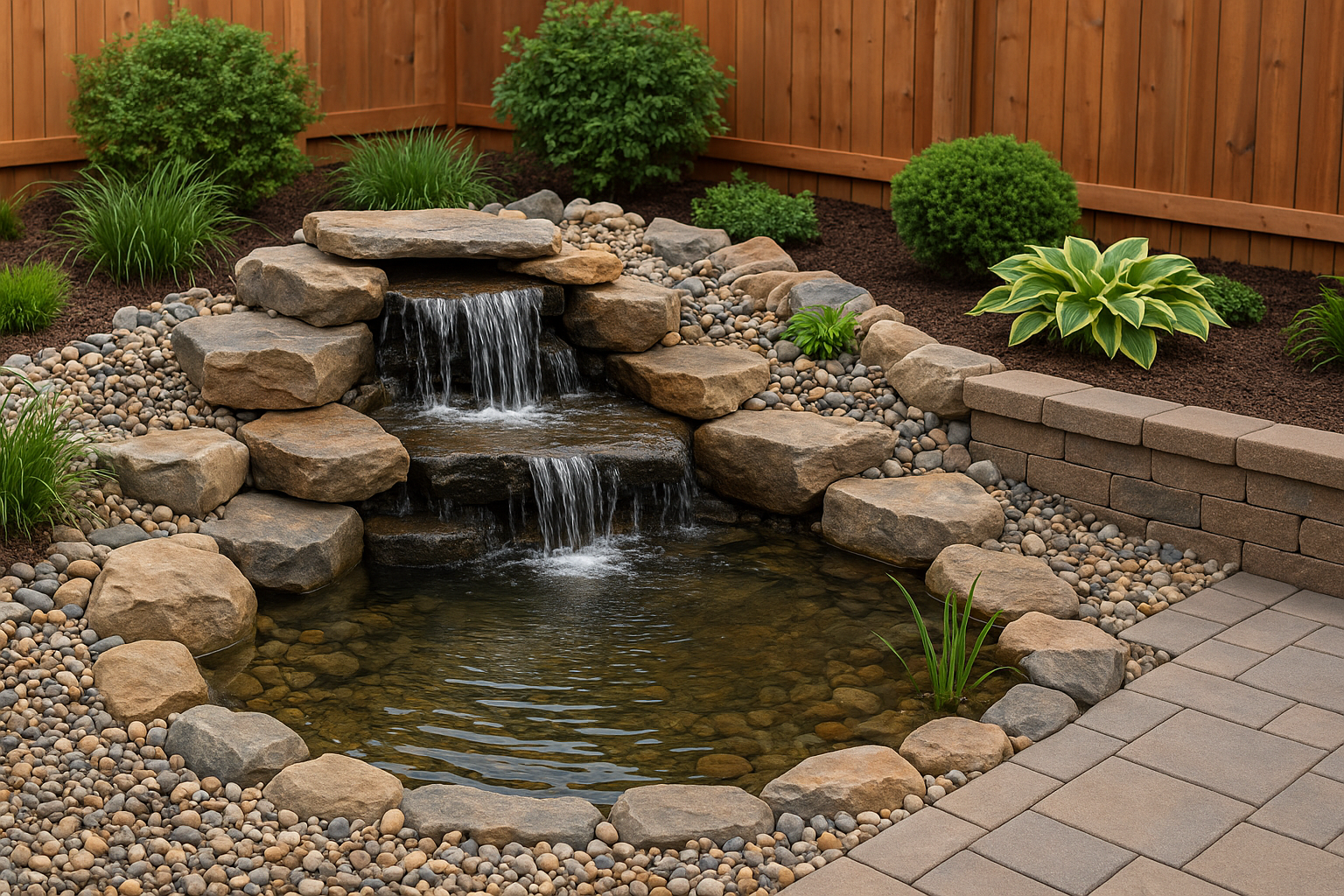
A well-designed water feature can transform a yard into a peaceful retreat, add property value, and create a focal point for outdoor living. Whether you want the gentle trickle of a bubbling fountain, the reflective calm of a garden pond, or the dramatic flow of a backyard waterfall, proper planning and installation are key to a successful, low-maintenance result. This guide walks you through types, planning, installation steps, maintenance, costs, and permits so you can make the right choices for your landscape.
Benefits of Installing a Water Feature
Enhances ambiance and property value
Water features deliver sensory appeal—sound, movement, and sight—that encourages relaxation and can increase curb appeal. A thoughtfully placed fountain or pond often enhances real estate listings and the perceived value of your home.
Wildlife and ecosystem benefits
Ponds and streams attract birds, beneficial insects, and pollinators. With the right planting, your water feature can support local biodiversity and create a mini-ecosystem.
Types of Water Features
Garden ponds
Ponds offer a natural look and can support fish and aquatic plants. They range from simple preformed basins to complex, naturalized excavations with filtration, rockwork, and planting shelves.
Fountains
Fountains suit formal or small spaces and come in electric- or solar-powered options. They’re relatively simple to install and maintain compared with ponds.
Waterfalls and streams
For a dramatic effect, waterfalls and meandering streams add movement and sound. These require careful grading, pump sizing, and sometimes additional rockwork to look natural and function reliably.
Planning Your Water Feature
Site selection
Look for a location visible from living spaces, but away from overhanging trees that drop debris. Consider slope, soil type, and access to electricity and water supply.
Design and scale
Match the feature to your yard’s scale—oversized elements can overwhelm a small space, while tiny features may get lost in a large garden. Sketch ideas or work with a designer to finalize layout and material choices.
Permits and utilities
Check local codes and homeowner association rules. Call your utility locating service before digging to avoid buried lines. Some municipalities require permits for large ponds or structures with electrical components.
Installation Steps (Overview)
DIY vs. professional installation
Smaller fountains and preformed ponds are DIY-friendly. Larger ponds, waterfalls, or projects involving electrical work often benefit from professional installers who can ensure proper pump sizing, safe wiring, and structural stability.
Materials and equipment
- Pond liner or preformed basin
- Submersible pump and filter
- Flexible tubing and plumbing fittings
- Underlayment, gravel, and decorative stone
- Plants, aquatic soil, and optional fish
Step-by-step installation
- Mark the footprint and dig to the design depth, creating shelves for plants if needed.
- Install underlayment and liner; press liner into contours and secure edges.
- Position the pump and plumbing; hide tubing under rock and gravel.
- Fill with water, level the edges, and install edging or rockwork for a finished look.
- Add plants after water has settled; introduce fish only when the biological filter is established.
Maintenance Essentials
Routine care
Regular tasks include skimming debris, cleaning filters, checking pump function, and trimming plants. For fountains, winterizing may be necessary in cold climates to prevent freeze damage.
Water quality and biological balance
Maintain balanced oxygen and nutrient levels to prevent algae blooms. Use beneficial bacteria, moderate fish stocking, and avoid overfeeding to keep water clear and healthy.
Troubleshooting common problems
If water flow drops, check for clogs, air leaks in tubing, or a failing pump. Persistent algae typically indicates excess nutrients or poor circulation—adding shade, plants, or a UV clarifier can help.
Costs and Budgeting
What affects price
Costs vary with size, materials, complexity, and whether you hire professionals. A small preformed fountain can be relatively affordable, while a custom pond with waterfall and filtration can reach several thousand dollars.
Long-term costs
Plan for ongoing expenses like electricity to run pumps, seasonal maintenance, replacement parts, and potential repairs to liners or plumbing.
Tips for Long-Term Success
Energy efficiency
Choose energy-efficient pumps and consider solar options for smaller features to reduce operating costs.
Safety and accessibility
For families with small children, install barriers, shallow edges, or covers. Ensure electrical work complies with code and uses GFCI outlets.
Conclusion
Water features installation is a rewarding way to elevate your outdoor space—but success depends on thoughtful design, correct installation, and consistent maintenance. Whether you build a small fountain or a full-scale pond and waterfall, planning ahead, understanding costs, and following best practices will help you enjoy a beautiful, low-stress water feature for years to come.