
Practical Guide to Retainer Wall Design: Function, Materials, and Best Practices
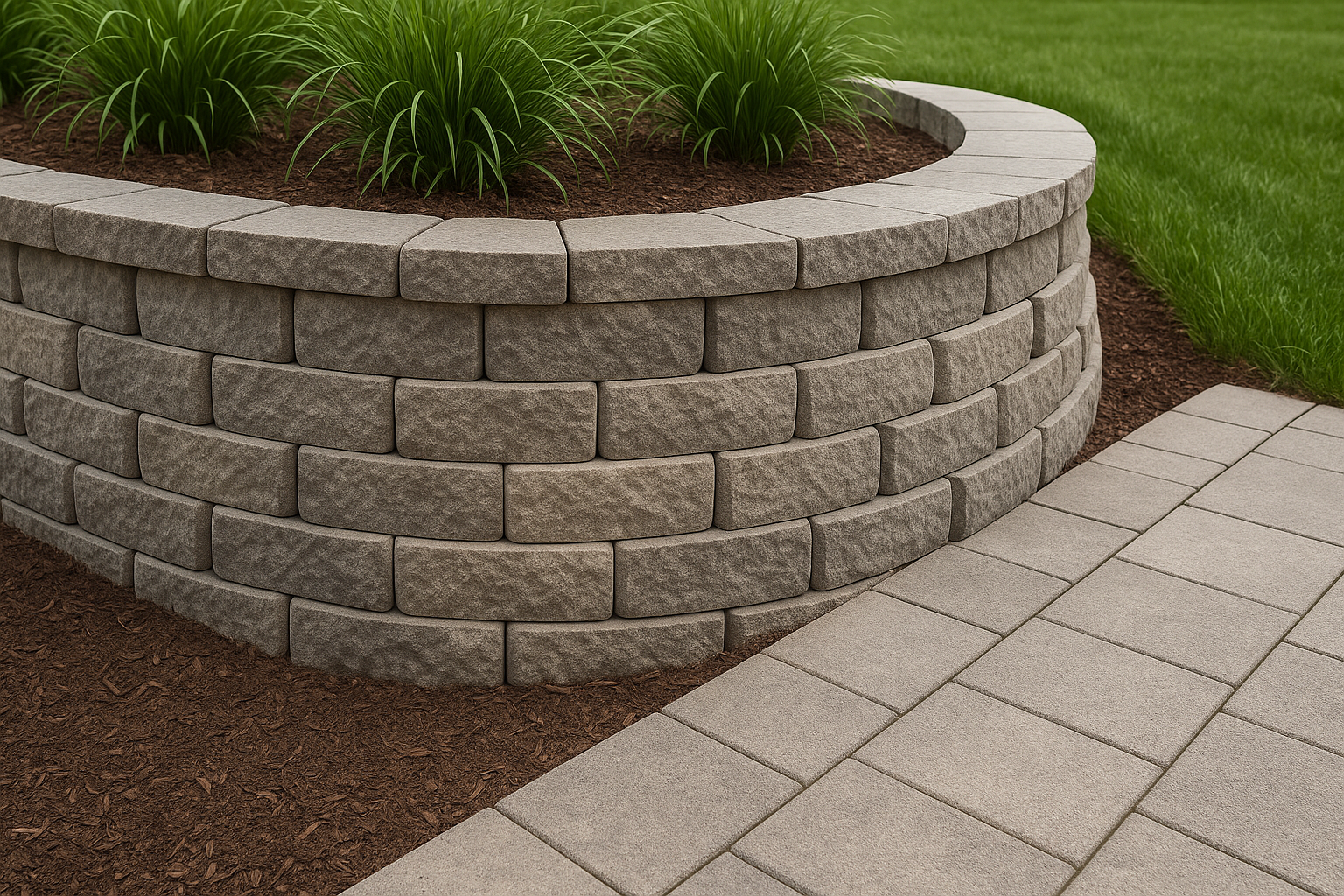
Understanding Retainer Walls
Retainer walls (often called retaining walls) are essential landscape and civil engineering elements that hold back soil, manage elevation changes, and prevent erosion. Whether you’re reworking a backyard slope or designing a roadside embankment, thoughtful retainer wall design keeps soil where it belongs and protects structures below.
What a Retainer Wall Does
At its core, a retainer wall resists lateral earth pressure and controls slope stability. It can also direct water flow, create usable flat terraces, and serve as a visual centerpiece in a landscape. Understanding the wall’s role on your property is the first step to an effective design.
Common Types of Retainer Walls
- Gravity walls: Rely on mass (stone, concrete) to resist pressure. Best for lower heights.
- Reinforced concrete walls: Use rebar and footings for taller, load-bearing situations.
- Segmental block walls: Interlocking blocks with geogrid reinforcement are popular in landscaping.
- Gabion walls: Wire baskets filled with rock, good for rustic looks and drainage.
- Timber walls: Economical and quick to build for short-term or lower-height needs.
Key Design Considerations
Site and Soil Conditions
Soil type drives many design decisions. Cohesive clays behave differently than sandy soils; expansive soils add complexity. Conduct a soil assessment to determine bearing capacity and expected settlement. Don’t forget to account for surcharge loads — vehicles, structures, or even heavy planters near the wall add lateral pressure.
Drainage and Water Management
Water is the enemy of retainer walls. Proper drainage prevents hydrostatic pressure buildup that can cause cracking or failure. Include a free-draining backfill (gravel), perforated drain pipes at the base, and weep holes or drainage channels where appropriate. Surface runoff should be diverted away from the top of the wall with grading or swales.
Height and Structural Requirements
Height often dictates structural type. Small garden walls under 3 feet can often be gravity or segmental block walls. Anything taller usually requires reinforced footings, keying into stable soil, and sometimes geogrid reinforcement. Local codes and building permits will often define when engineering is required.
Materials Selection
Choose materials for function and style. Concrete offers strength and durability; natural stone provides timeless aesthetics; timber is warm but less durable. Consider freeze-thaw cycles, local availability, cost, and maintenance when selecting materials.
Aesthetics and Landscaping Integration
Finishes and Visual Flow
A retainer wall is both a structural and visual element. Match finishes to your home and garden—smooth concrete for modern sites, stacked stone for rustic properties. Capping units and trim details finish the look and prevent water infiltration.
Planting and Green Alternatives
Vegetation softens hard edges and helps with erosion control. Use drought-tolerant groundcovers on slopes, and choose deep-rooted plants away from the base to avoid root pressure against the wall. Living walls or green facades can integrate planting pockets into the design for a softer appearance.
Construction and Maintenance
Typical Construction Steps
- Excavate the foundation trench and level the base.
- Install footing or compacted base material.
- Lay units or pour concrete; incorporate reinforcement as needed.
- Install drainage elements (pipe, gravel, geotextile) behind the wall.
- Backfill in layers and compact. Finish the top grade to divert water away.
Maintenance Tips
- Inspect for settlement, cracks, bulging, or tilting at least annually.
- Keep drains clear of debris and maintain vegetation to prevent root damage.
- Repair small cracks early; address drainage issues promptly to avoid larger failures.
Common Mistakes and When to Hire a Professional
Frequent Pitfalls
- Poor drainage design — the leading cause of failure.
- Underestimating loads and soil pressure.
- Skipping proper compaction and base preparation.
- Using unsuitable materials for local climate conditions.
When to Consult an Engineer
If the wall will be taller than local code limits, support a structural load (driveway, building), or sit on uncertain soils, involve a licensed engineer. They can provide calculations, reinforcement specifications, and ensure safe long-term performance. Even for smaller projects, getting a professional opinion can prevent costly mistakes.
Conclusion
Good retainer wall design balances structural needs, drainage, material choice, and aesthetics. Start with a clear understanding of site conditions and water flow, pick the right construction approach for your height and loads, and plan for long-term maintenance. When in doubt, consult a pro—it’s an investment that pays off in durability and peace of mind.