
Maximizing Landscaping Irrigation Efficiency: Smart Strategies for Healthier Landscapes
Why Irrigation Efficiency Matters
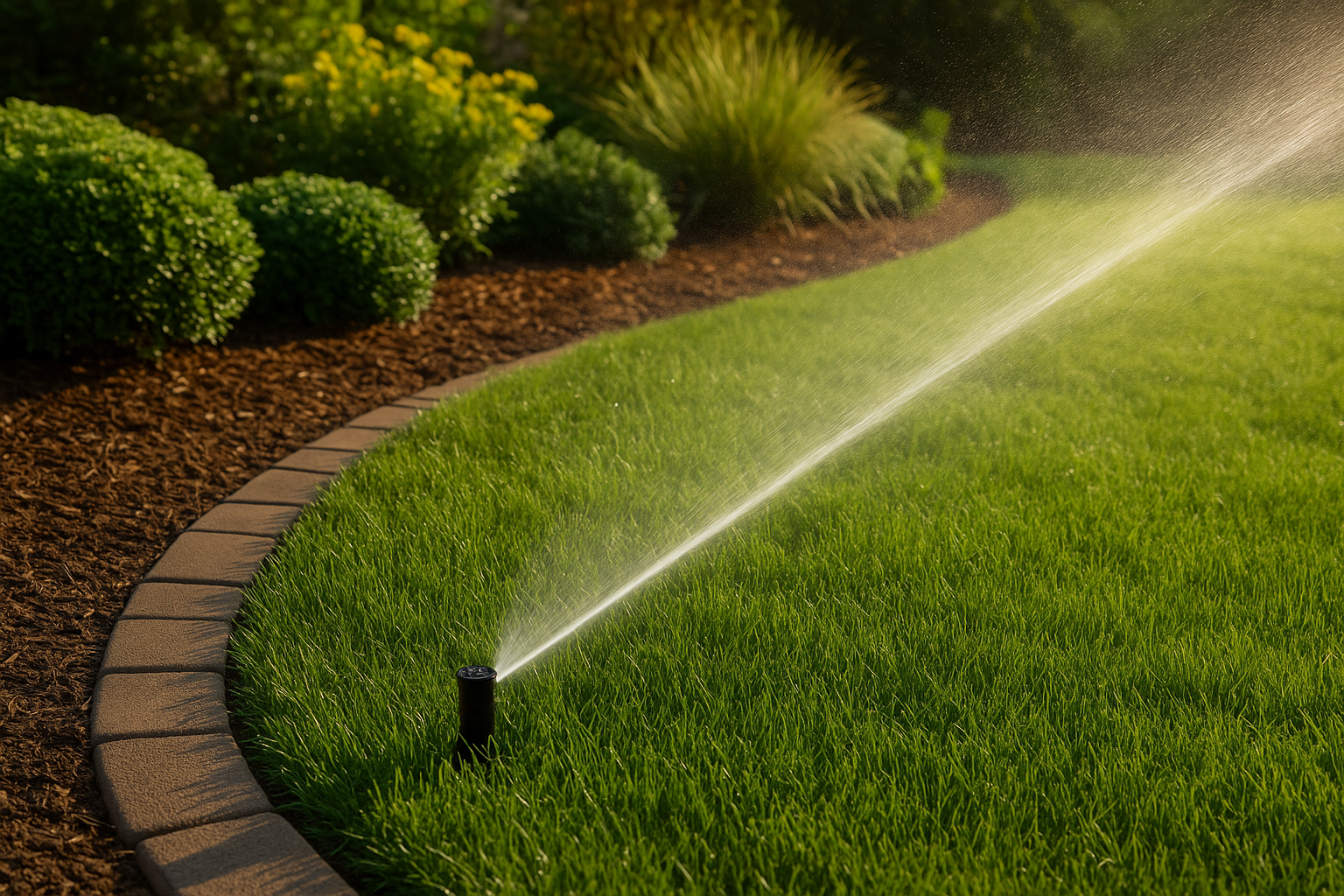
Efficient irrigation saves water, lowers utility bills, and keeps plants healthier year-round. With rising water costs and growing concerns about drought in many regions, optimizing how and when you water your landscape is both environmentally responsible and economically smart. Small changes—like switching to drip lines or adjusting schedules—can yield big results without sacrificing landscape beauty.
Assessing Your Landscape’s Water Needs
Conduct a Water Audit
Start by evaluating how much water your current system uses. A basic water audit measures run times, flow rates, and the distribution uniformity of sprinklers. Note soggy spots, runoff, or areas that appear dry despite scheduled watering. An audit gives a clear baseline so you can prioritize fixes that will make the biggest impact.
Know Your Plants’ Needs
Different plants have different water requirements. Group plants by their water needs (a practice called hydrozoning)—for example, native and drought-tolerant species together, and thirsty lawn areas in separate zones. This avoids overwatering some plants while trying to satisfy others.
Smart Scheduling and Controllers
Use Weather-Based and Smart Controllers
Modern irrigation controllers adjust watering based on local weather data, evapotranspiration (ET) rates, and soil moisture. Replacing a basic timer with a weather-based controller or smart irrigation controller can cut water use dramatically because it prevents unnecessary cycles during rain or cool, cloudy periods.
Set Optimal Watering Times
Water early in the morning when winds are calmer and temperatures are lower—this reduces evaporation. Break long watering sessions into shorter cycles spaced 20–60 minutes apart (cycle and soak) to allow water to soak in and reduce runoff on compacted or sloped soils.
Irrigation System Types and Upgrades
Drip Irrigation vs. Sprinkler Systems
Drip irrigation delivers water directly to plant roots and is vastly more efficient for beds, shrubs, and trees than overhead sprinklers. For lawns, high-efficiency rotary nozzles can provide better distribution with less water than older spray heads. Consider converting problem beds to drip lines to cut waste.
Improve System Performance
Install pressure regulators, check valves, and matched precipitation rate (MPR) nozzles to improve uniformity. Adding a flow meter or smart leak detection system will alert you to broken lines or heads that are using excessive water. Even small upgrades—like replacing worn nozzles—can improve distribution and reduce runtime.
Soil, Mulch, and Planting Strategies
Improve Soil Health
Soil that retains moisture reduces the frequency and volume of irrigation. Incorporate organic matter or compost to increase water-holding capacity in sandy soils and improve drainage in clay soils. Healthy soil supports deeper root systems which makes plants more drought-resilient.
Use Mulch and Smart Planting
Mulch conserves moisture, moderates soil temperature, and suppresses weeds. Apply a 2–3 inch layer around beds and trees. Choose plants adapted to your climate and group them by water needs to reduce competing demands within the same zone.
Monitoring and Maintenance
Regular Inspections
Inspect heads, drip lines, and controllers seasonally. Look for clogged nozzles, broken emitters, misaligned heads, and leaks. Fixing a single leaking sprinkler or a clogged filter can prevent thousands of gallons of waste over a season.
Use Sensors and Analytics
Soil moisture sensors and smart controllers that analyze water use trends let you irrigate only when necessary. Leak detectors, flow sensors, and remote monitoring reduce the time you need to spend troubleshooting and ensure efficient operation even when you’re away.
Quick Efficiency Tips
- Water lawns and beds separately to match plant needs.
- Reduce run times by 10–20% during cooler months or after rain.
- Replace spray heads older than 7–10 years with high-efficiency nozzles.
- Adjust sprinklers seasonally—most landscapes need less water in spring/fall.
Conclusion
Maximizing landscaping irrigation efficiency is a mix of smart technology, good maintenance, and sound horticultural practices. By auditing your system, upgrading where it counts, grouping plants by water needs, and using weather-based controls, you’ll conserve water, lower costs, and enjoy a healthier landscape. Start with a small change—like installing a smart controller or adding mulch—and build from there.