
Irrigation System Repair: A Practical Guide to Diagnose, Fix, and Maintain Your Sprinklers
Understanding Irrigation System Repair
An efficient irrigation system keeps your lawn and landscape healthy while conserving water. But like any mechanical system, sprinklers and drip lines wear out, get clogged, or become misaligned. Timely repairs prevent wasted water, patchy turf, and higher utility bills. This guide walks through common problems, straightforward diagnostics, DIY fixes, and when it’s best to call a pro.
Common Problems with Irrigation Systems
Leaking Pipes and Fittings
Leaks often appear as unusually soggy spots, pooling water, or a sudden drop in water pressure. They result from freeze damage, root intrusion, UV degradation, or poor connections.
Broken or Misaligned Sprinkler Heads
Sprinkler heads can be broken by lawn mowers, foot traffic, or vehicle overrun. Misaligned heads cause uneven coverage, dry patches, or overspray on sidewalks and driveways.
Clogged Nozzles and Filters
Mineral buildup or debris can block nozzles, reducing output and changing spray patterns. This is especially common in areas with hard water or after seasonal system shutdowns.
Valve and Controller Failures
Electrical faults, stuck solenoids, or damaged wires lead to zones that won’t start or won’t stop. Controllers can also fail due to power surges or age.
Diagnosing Irrigation Issues
Start with a Visual Inspection
Walk the system while it’s running. Look for wet or dry patches, broken heads, misting (indicates pressure problems), and sound of running water that could hint at leaks.
Check the Controller and Schedule
Confirm the controller is powered, set to the correct date and time, and programmed for the current season. Run each zone manually to pinpoint trouble areas.
Perform a Pressure Test
Low pressure may be caused by leaks, closed valves, or a failing pump. High pressure can damage nozzles and cause misting; a pressure regulator may be required.
Isolate Zones
Shut valves to isolate sections and determine whether a problem is local or system-wide. This helps locate underground leaks or problematic components.
DIY Repairs You Can Tackle
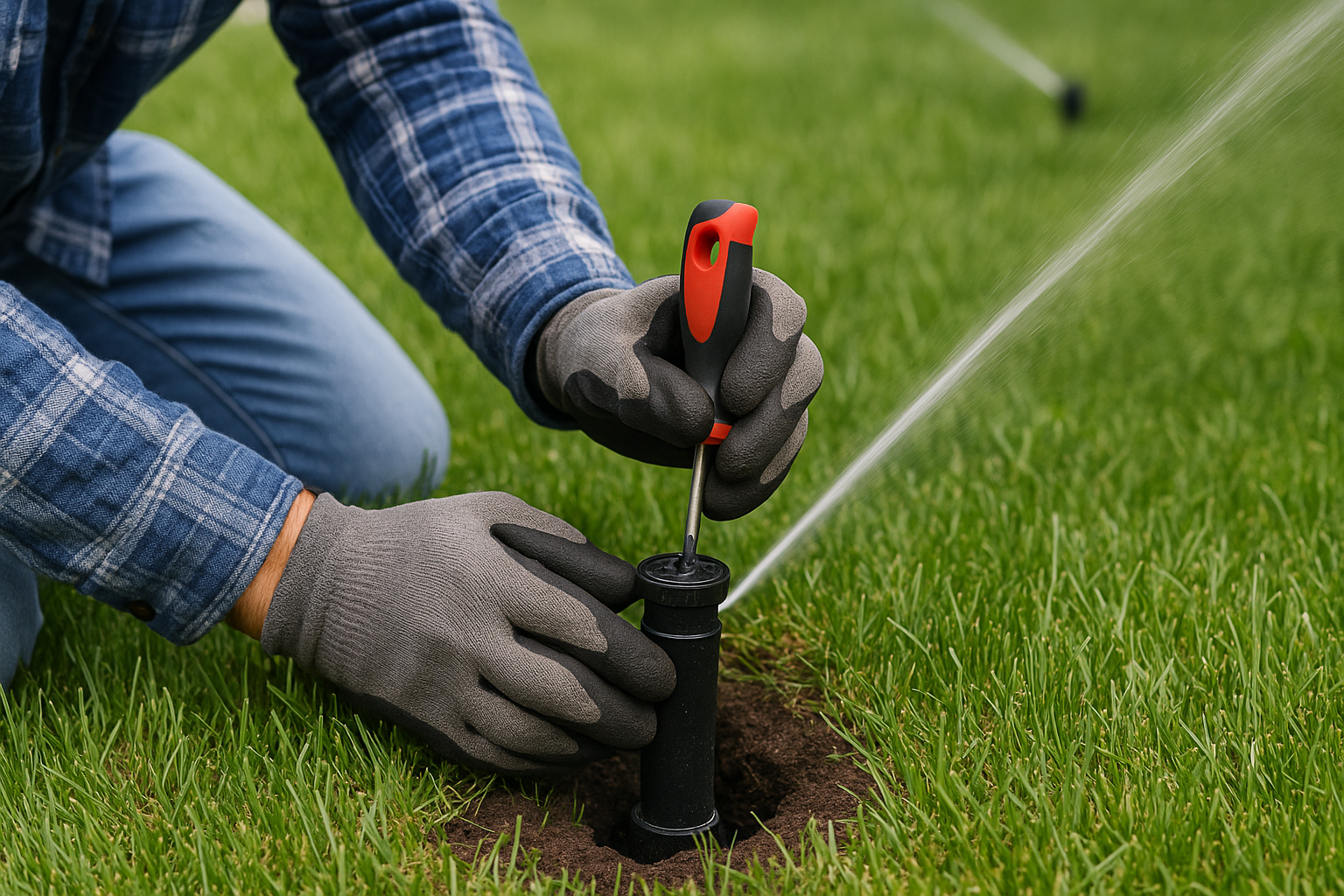
Replacing a Sprinkler Head
- Turn off water to the zone.
- Dig carefully around the head, unscrew the riser, and install a replacement that matches the original spray pattern and height.
- Test and adjust the nozzle for coverage.
Fixing Leaks in Pipes
Small cuts in PVC can sometimes be repaired with a slip coupling or pipe repair kit. For flexible poly tubing, a simple coupler or replacement section works well. Always depressurize the line before cutting.
Cleaning Nozzles and Filters
Remove nozzles and rinse them in vinegar if mineral buildup is present. Flush the filter screens and the lateral lines to clear sediment.
Resetting Valves and Controllers
Sometimes unlinking and reconnecting the controller, replacing the battery, or gently cleaning valve solenoids will restore proper function. Inspect wiring for rodent damage and corroded connections.
When to Call a Professional
Hire a licensed irrigation technician when the problem is underground and extensive, when you suspect a mainline leak, when pump or backflow device repairs are needed, or when electrical troubleshooting is required. Professionals also ensure backflow assemblies are tested in compliance with local codes.
Preventive Maintenance Tips
- Run seasonal checks before spring startup and after the first freeze.
- Adjust schedules with the seasons; reduce run times during cool, rainy months.
- Flush lines and clean filters annually.
- Inspect heads for alignment, damage, and wear every few months.
- Consider a smart controller or rain sensor to avoid unnecessary watering.
Cost Considerations
Repair costs vary widely. Simple nozzle replacements are inexpensive, while mainline repairs, pump work, or complete controller replacements cost more. Get multiple quotes for larger jobs and ask for warranties on parts and labor.
Choosing a Reliable Contractor
Look for licensed, insured professionals with local references. Ask about experience with your system type, whether they offer seasonal maintenance plans, and how they handle diagnostics and pricing. A good contractor will explain the problem and present options, including cost estimates for repair versus replacement.
Conclusion
Routine attention to your irrigation system saves water, protects your landscape, and keeps repair costs down. Start with careful diagnosis, handle simple repairs yourself if you’re comfortable, and call a professional for complex or underground issues. With regular maintenance and timely fixes, your irrigation system will remain efficient and reliable for years.