
Decorative Arbors: Style, Plants, and Practical Tips for a Beautiful Garden Entrance
Why Choose a Decorative Arbor?
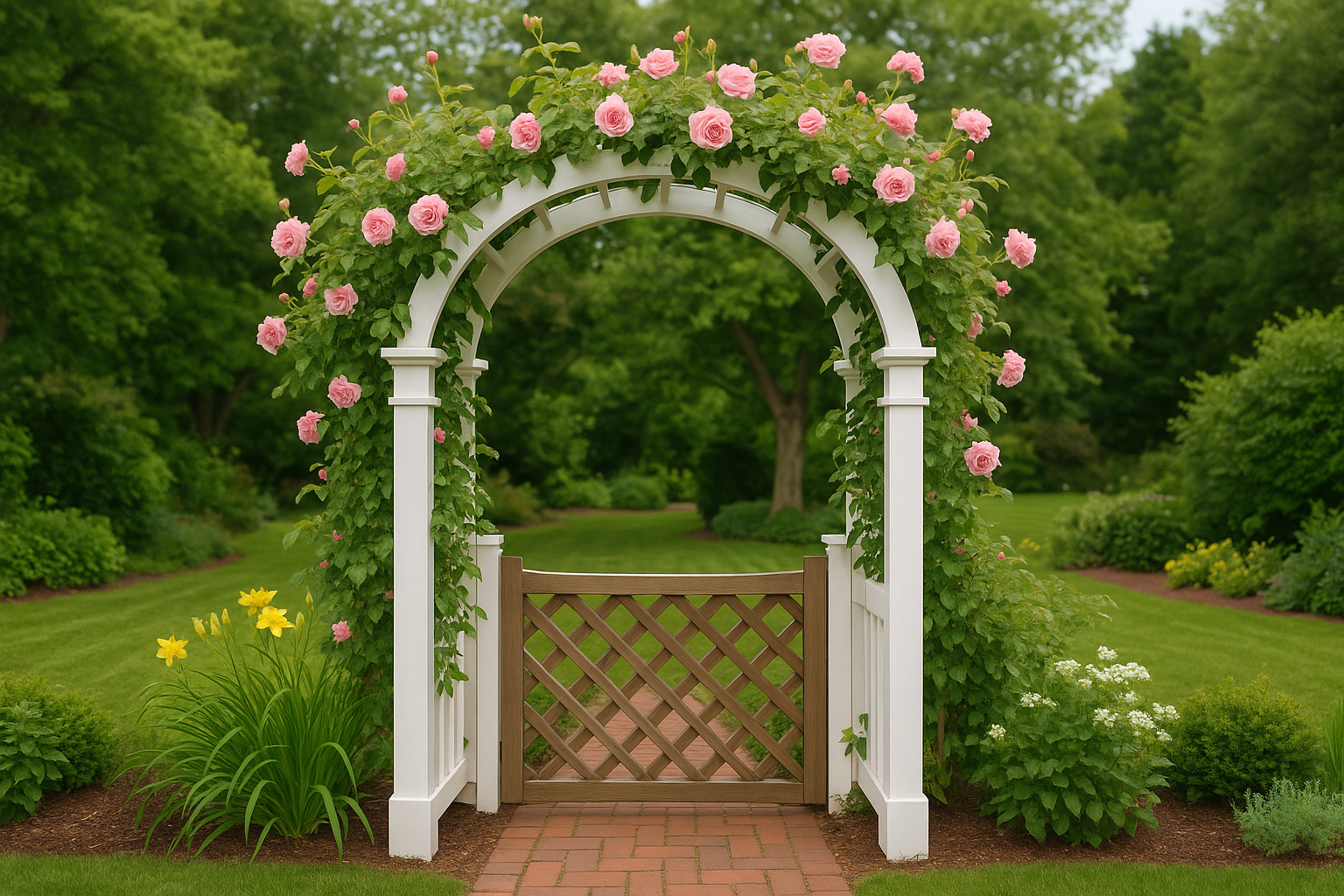
Decorative arbors are more than garden accessories — they create a welcoming entrance, provide vertical interest, and act as a living frame for climbing plants and seasonal decor. Whether you want a focal point at the pathway, a romantic backdrop for outdoor events, or a shady portal to a secret garden, an arbor can transform an ordinary yard into something memorable.
Benefits of Adding an Arbor
Visual Appeal and Structure
An arbor introduces height and architectural detail, breaking up flat landscapes and guiding the eye through your garden. It pairs well with hedges, pathways, and patios to make spaces feel intentional and inviting.
Supports Climbing Plants
From roses to clematis and scented jasmine, arbors support a variety of vines that add color, texture, and fragrance. The vertical support encourages healthy growth and helps maximize limited garden space.
Functional Uses
Arbors can define entryways, create intimate seating areas, or serve as a focal point for photos and gatherings. They also offer partial shade and a sense of enclosure without the permanence of a wall or fence.
Types of Decorative Arbors
By Material
- Wood: Classic and warm, wood arbors are easy to customize and blend well with natural landscapes. Pressure-treated lumber and cedar resist rot but require occasional staining or sealing.
- Metal: Wrought iron or powder-coated steel arbors are durable and can feature intricate designs. Metal holds up well to the elements but may need rust protection in certain climates.
- Vinyl: Low-maintenance and weather-resistant, vinyl arbors maintain their color and shape with minimal upkeep. They’re a good option when you want a clean, modern look.
By Style
- Traditional: Arched tops, lattice sides, and classic proportions suit cottage and formal gardens.
- Modern: Clean lines, geometric forms, and minimalist materials work well with contemporary landscaping.
- Rustic: Reclaimed wood, rough finishes, or natural curves pair beautifully with a meadow or woodland garden.
How to Choose the Right Arbor for Your Garden
Consider Scale and Placement
Measure the space and think about doorways, gates, and pathways near the intended site. The arbor should be proportional to its surroundings — too small and it gets lost, too large and it can overwhelm.
Match Materials to Climate and Style
Pick materials that suit your local weather and your maintenance preferences. If you’re in a snowy or coastal area, look for finishes and fasteners designed to resist moisture and salt.
Think About Plant Pairings
Choose an arbor with lattice spacing suitable for the vines you want — fine lattice for delicate tendrils, sturdier rungs for heavier roses or wisteria. Also consider light levels: roses and clematis need full sun, while ivy tolerates shade.
Installation and Maintenance Tips
DIY vs. Professional Installation
Many kit arbors are designed for DIY installation and include clear instructions and hardware. If you’re building a large or permanent structure, or if the site requires concrete footings, hiring a professional can ensure longevity and safety.
Anchoring and Foundations
Secure footing is crucial. Use concrete anchors for heavy arbors or those supporting large vines. Lighter garden arbors can be anchored with ground spikes, but check stability after storms and windy weather.
Maintenance by Material
- Wood: Re-stain or seal every 2–3 years, inspect for rot, and replace damaged slats promptly.
- Metal: Touch up paint or powder coating if chips appear, and treat rust spots early.
- Vinyl: Wash with soapy water to remove dirt. Vinyl needs the least upkeep but can crack in extreme cold.
Styling and Planting Ideas
Climbing Plants That Shine
- Roses: Timeless and fragrant, climbers pair beautifully with wooden arbors.
- Clematis: Offers a long season of color and mixes well with roses.
- Honeysuckle and Jasmine: Ideal for scent and attracting pollinators.
- Wisteria: Dramatic and lush, but needs a strong, well-anchored arbor.
Lighting and Accessories
String lights, lanterns, and solar spotlights can make an arbor magical after dusk. Add hanging baskets, pots, or a bench to create a cozy spot for reading or photos.
Seasonal Decoration
Switch wreaths, ribbons, or fairy lights seasonally to keep the arbor fresh. In winter, a dusting of white lights or evergreen swags can look festive and elegant.
Where to Buy and How to Budget
You can find arbors at garden centers, home improvement stores, online retailers, or from local carpenters who offer custom builds. Kits are budget-friendly and quick to install; custom arbors are more expensive but allow for unique design and stronger construction. Factor in plants, installation, and maintenance when planning your budget.
Conclusion
A decorative arbor is a relatively simple addition that delivers big impact — enhancing curb appeal, supporting beautiful plantings, and creating an inviting entrance to your outdoor space. With the right materials, design, and care, an arbor can be both a functional garden structure and a lasting centerpiece for years to come.