
Sustainable Landscape Design: Practical Strategies for Resilient, Beautiful Outdoor Spaces
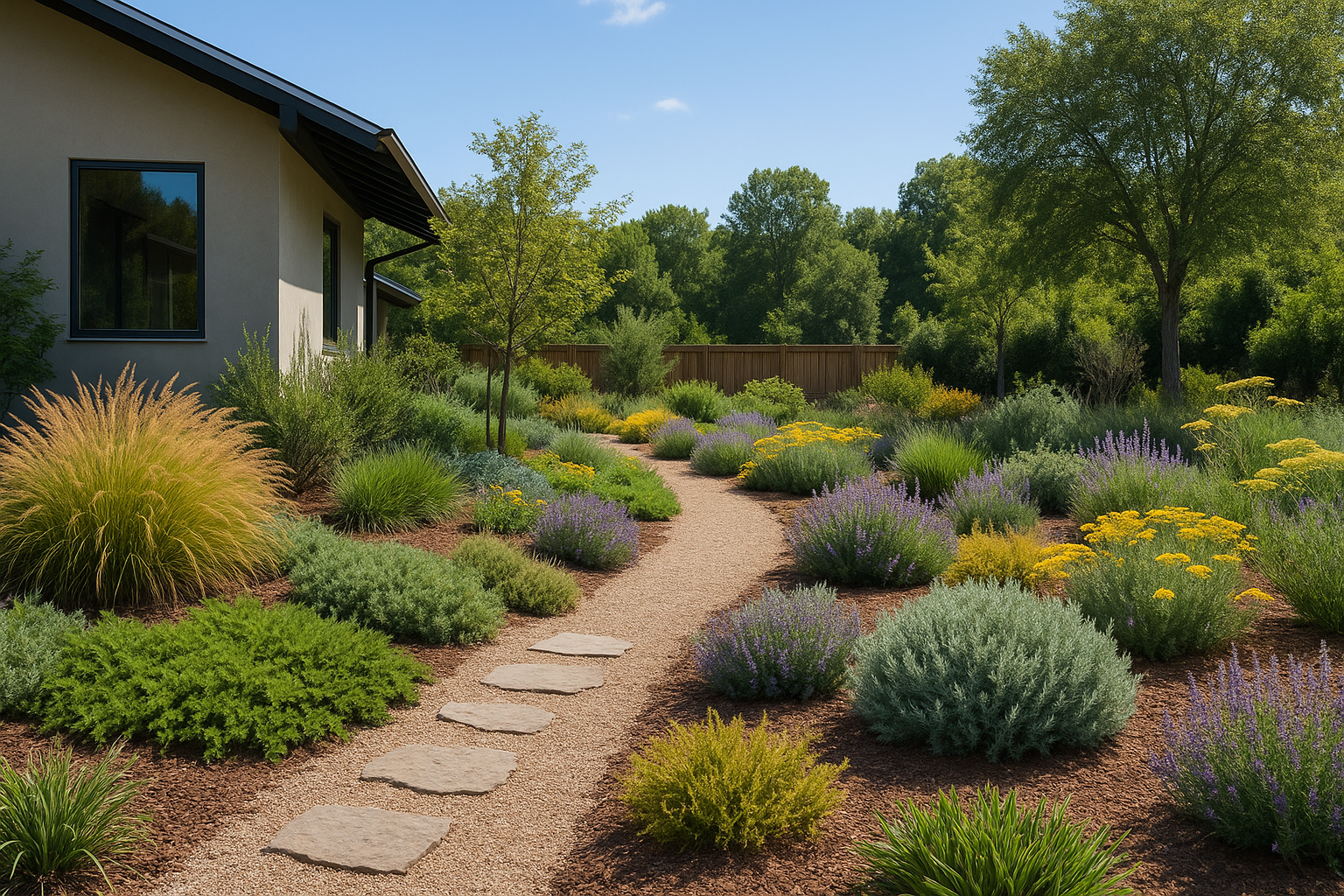
What is sustainable landscape design?
Sustainable landscape design is the intentional planning and creation of outdoor spaces that conserve resources, support biodiversity, and remain healthy and attractive over time. Rather than chasing quick curb appeal, sustainable landscapes emphasize long-term resilience—helping gardens and yards thrive with less water, fewer chemicals, and lower maintenance costs.
Core principles
- Work with the site’s natural features—soil, slope, sunlight, and native ecology.
- Reduce inputs: water, fertilizers, pesticides, and energy.
- Use durable, low-impact materials and support habitat for pollinators and wildlife.
- Design for long-term adaptability and ease of maintenance.
Why choose sustainable landscape design?
Beyond being an ethical choice, sustainable landscaping delivers tangible benefits for homeowners and communities.
Environmental and community benefits
- Conserves water through smart plant choices and efficient irrigation.
- Improves soil health and reduces runoff with permeable surfaces and rain gardens.
- Supports biodiversity by providing food and shelter for pollinators and native fauna.
- Reduces greenhouse-gas emissions by lowering maintenance needs and supporting carbon-sequestering plants.
Financial and practical gains
- Lower long-term maintenance and utility costs.
- Increased property value and curb appeal with a well-designed, healthy landscape.
- Less time spent on intensive upkeep, freeing homeowners to enjoy their outdoor spaces.
Key design strategies
1. Analyze the site
Start with observation. Map sun patterns, prevailing winds, soil type, and drainage. Knowing where frost pockets or dry ridges occur helps you place the right plants in the right spots and avoid expensive fixes later.
2. Choose native and drought-tolerant plants
Native species are adapted to local climate and soil conditions, typically needing less water and fewer inputs. Mix shrubs, perennials, grasses, and trees to create layers that support insects, birds, and beneficial microbes.
3. Emphasize soil health
Healthy soil retains water, feeds plants, and supports beneficial organisms. Build organic matter through compost, minimize tilling, and use mulch to stabilize moisture and temperature.
4. Use waterwise irrigation
Install drip irrigation and smart controllers that respond to weather. Group plants by water needs (hydrozoning) so you don’t overwater drought-tolerant areas. Capture rainwater with barrels or cisterns to supplement irrigation.
5. Manage stormwater with smart hardscapes
Choose permeable paving, swales, and rain gardens to slow, spread, and soak stormwater. This reduces erosion, lowers flooding risk, and replenishes groundwater.
Material choices and hardscape design
Sustainable materials
Specifying locally sourced, recycled, or rapidly renewable materials reduces embodied energy. For decks and fences, consider reclaimed wood or composite products with recycled content. Use permeable pavers and gravel instead of impermeable concrete where appropriate.
Design with longevity and flexibility
Build paths, seating, and structures that can adapt as plantings mature. Durable, easily maintainable hardscapes cut long-term costs and reduce waste from frequent replacements.
Maintenance, pest management, and stewardship
Low-impact maintenance
Prefer practices that mimic natural systems: seasonal pruning instead of heavy trimming, targeted weeding, and leaving leaf litter in some zones to support soil life. Create a maintenance schedule focused on early-season tasks and light touch-ups later in the year.
Integrated pest management (IPM)
IPM minimizes chemical use by emphasizing prevention: promote plant diversity, encourage beneficial insects, and use physical controls first. When pesticides are necessary, choose targeted, least-toxic options.
Scaling up: neighborhoods and community landscapes
Sustainable landscape design also applies to larger scales. Street trees, community rain gardens, and green roofs reduce urban heat islands, manage stormwater, and create shared green spaces that strengthen neighborhood resilience. Work with local groups, municipalities, and nurseries to promote native plantings and waterwise practices across public and private properties.
Practical checklist to get started
- Conduct a site assessment (sun, soil, water, microclimates).
- Create a planting plan grouped by water needs and bloom times.
- Improve soil with compost and mulch before planting.
- Install efficient irrigation and consider rain capture.
- Choose durable, low-impact hardscape materials.
- Adopt a low-impact maintenance routine and monitor plant health.
Conclusion
Sustainable landscape design is both a practical and beautiful way to create outdoor spaces that last. By working with local conditions, choosing appropriate plants and materials, and planning for long-term care, you can build a resilient garden that benefits your family, your wallet, and the environment.