
July Landscaping Tips: Keep Your Yard Healthy Through Peak Summer
July Landscaping Tips: Keep Your Yard Healthy Through Peak Summer
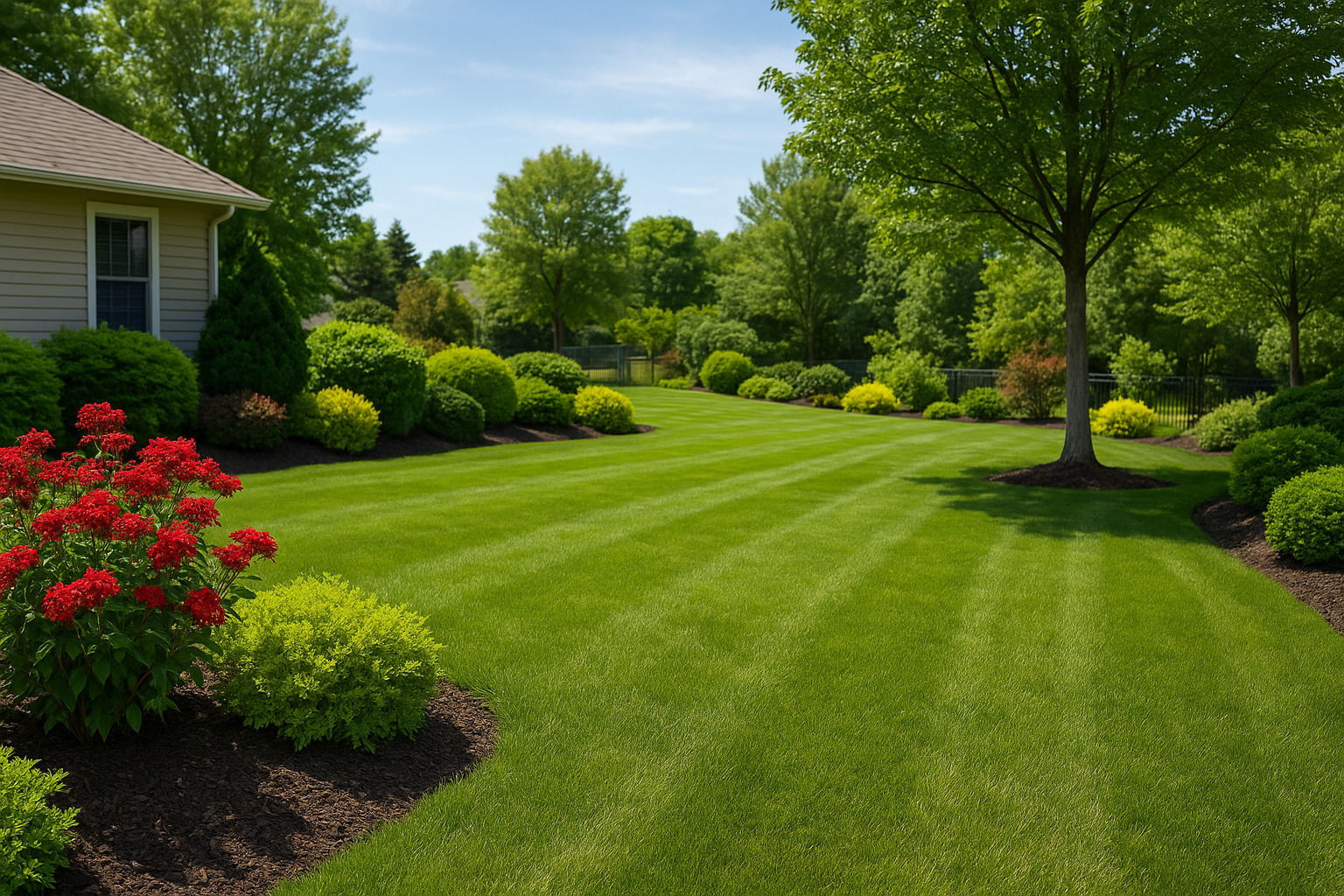
July is one of the busiest months in the garden — heat, summer storms, and thirsty plants all demand attention. With a few smart, seasonal strategies you can protect your lawn, nourish beds, and keep containers thriving without working harder than you need to. Below are practical, region-friendly tips to help your landscape survive and even shine during July’s heat.
Watering Smart
Water at the right time
Water early in the morning whenever possible. Morning watering reduces evaporation and helps foliage dry quickly, lowering disease risk. If mornings aren’t possible, aim for late afternoon but avoid evening watering that keeps foliage wet overnight.
Deep and infrequent beats shallow and frequent
Give lawns and beds a deep soak rather than brief surface watering. Deep watering encourages roots to grow downward and increases drought resilience. For most lawns, 1 to 1.5 inches per week (including rainfall) is a good target; use a rain gauge or a tuna-can test to measure output.
Check and maintain irrigation
Inspect drip lines, sprinkler heads, and timers in July. Fix leaks, adjust spray patterns, and set timers to water during low-wind periods. Consider adding a smart controller or soil moisture sensor to avoid overwatering and save money.
Lawn Care in July
Mow higher and sharper
Raise mower blades to keep grass taller; longer blades shade soil and slow evaporation. Never remove more than one-third of blade height at a time, and keep mower blades sharp for clean cuts that reduce stress and disease.
Fertilize and patch carefully
Avoid heavy nitrogen applications in extreme heat. If you fertilize, choose a slow-release formulation and follow label directions. For cool-season lawns, defer major renovations (like overseeding) to the fall; for warm-season grasses, mid-summer can be a good time for spot repairs and active growth maintenance.
Garden Beds & Plants
Refresh mulch
Top up organic mulch to 2–3 inches to conserve moisture, protect roots from temperature swings, and cut weeds. Keep mulch a few inches away from tree trunks and shrub crowns to prevent rot and pests.
Choose heat-tolerant plants
Replace struggling annuals with heat-tolerant varieties like lantana, salvia, gazania, or zinnia. Use native perennials adapted to your climate for long-term low-maintenance color and resilience.
Container care
Containers dry out quickly in July. Move pots to afternoon shade if possible, water more frequently (often daily for small pots), and consider using water-absorbing crystals or deeper containers to keep roots cooler.
Pest and Disease Management
Hot weather can mean more insect activity and stress-related disease. Scout beds weekly: look under leaves for pests, remove diseased foliage promptly, and treat only when thresholds are reached. Encourage beneficial insects with diverse plantings and avoid broad-spectrum pesticides that kill pollinators.
Edibles: July Vegetable Garden Tips
Harvest regularly to encourage production. Protect sensitive crops with shade cloth during heat waves, mulch to retain moisture, and water deeply for fruiting vegetables like tomatoes and peppers. Stake and prune tomatoes to improve air flow and reduce disease risk.
Hardscape and Seasonal Projects
July is a great time for small hardscape repairs: check drainage, fix loose stones, and clean outdoor furniture. Avoid major construction that will stress surrounding plants during heat waves. If you plan larger projects, schedule them for cooler parts of the day or fall.
Climate-Specific Considerations
Adjust techniques by region. In hot, dry areas prioritize drought-tolerant and native plants, drip irrigation, and thick mulches. In humid climates watch for fungal diseases and focus on spacing/pruning for airflow. In cooler summer regions, take advantage of steady growth to seed or renovate where appropriate.
Wildlife and Pollinator Care
Provide a shallow water source—like a birdbath with stones—for pollinators and birds to sip from. Plant a mix of summer bloomers to keep bees and butterflies visiting through July and into fall.
Conclusion
July requires focused but manageable care: water smarter, mulch and mow for stress reduction, scout for pests, and choose plants suited to summer conditions. With these July landscaping tips your yard will stay healthy, conserve resources, and look its best when the heat is on.