
Wooden Arbors: A Complete Guide to Choosing, Building, and Maintaining the Perfect Garden Entryway
What Is a Wooden Arbor?
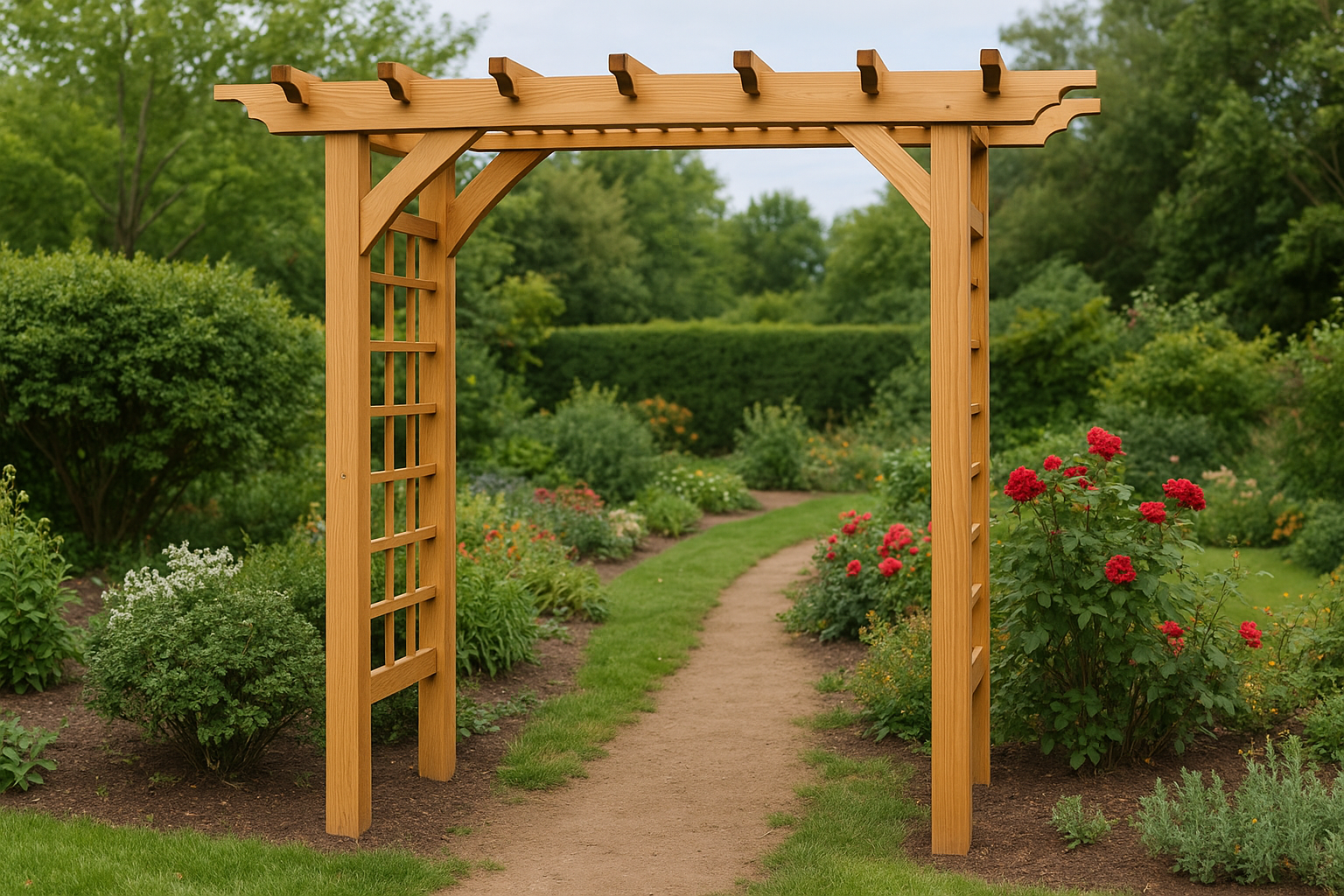
A wooden arbor is a freestanding (or sometimes gate-attached) garden structure that creates a welcoming passageway, focal point, or transition between outdoor “rooms.” Most arbors feature two side panels with an open lattice and a slatted or arched top—perfect for framing a path, highlighting an entry, or supporting climbing plants.
Because wood feels warm and natural, wooden arbors blend beautifully with lawns, flower borders, cottage gardens, and modern landscapes alike. With the right design, an arbor can look like it has always belonged in your yard.
Why Choose a Wooden Arbor for Your Garden?
Wooden arbors remain a favorite for homeowners because they’re versatile, customizable, and timeless. Here are a few reasons they’re worth considering:
- Instant curb appeal: An arbor adds height and structure, drawing the eye upward and making a garden look more intentional.
- A natural fit: Wood complements plants, stone, brick, and mulch without feeling harsh or industrial.
- Design flexibility: Paint, stain, or leave it natural; add a gate; choose a flat, arched, or pergola-style top.
- Support for climbers: Many arbors include lattice sides that help train vines like clematis, jasmine, and climbing roses.
If you’re aiming for a cozy, lived-in garden style—or you simply want a charming entry over a path—wood is hard to beat.
Types of Wooden Arbors
Not all arbors are built the same. Choosing the right style depends on your space, your garden’s look, and whether you want plants to climb.
Classic Lattice Arbor
This is the familiar garden arbor with crisscross lattice side panels and a simple slatted roof. It’s ideal for climbing plants and works well at garden entrances, along walkways, or as a photo-worthy backdrop.
Arched Top Arbor
An arched top softens the lines of a landscape and feels especially fitting for cottage gardens. It also adds a bit more overhead clearance—handy if you plan to grow vigorous vines.
Pergola-Style Arbor
Think of this as an arbor with a more substantial roof structure. It often features thicker beams and deeper rafters that cast light shade. It’s a great option if you want a stronger architectural statement or you’re placing it at a patio or seating area entrance.
Gate Arbor
A gate arbor includes a swinging gate beneath the arbor opening. This style is popular for dividing spaces (like a vegetable garden) or adding a touch of privacy while still keeping things open and inviting.
Best Wood for Arbors: What to Look For
The longevity of a wooden arbor depends heavily on the wood species and how it’s protected from moisture, sun, and insects. When comparing options, look for natural rot resistance, stability, and outdoor-rated fasteners.
Cedar
Cedar is a top choice for wooden arbors because it naturally resists rot and insects and holds up well outdoors. It’s also relatively lightweight and takes stain nicely.
Redwood
Redwood is durable and beautiful, with natural resistance to decay. It can be more expensive (and availability varies), but it’s a premium pick for a long-lasting arbor with minimal fuss.
Pressure-Treated Pine
Pressure-treated lumber is budget-friendly and widely available. It stands up well to moisture and ground contact, but it may require extra time to dry before staining or painting. Look for a clean, straight selection to reduce warping.
Hardwoods (Like White Oak)
Some hardwoods are naturally tough and weather-resistant, but they can be heavy and harder to work with. If you love the look and don’t mind the weight, hardwood can create a stunning, substantial structure.
Where to Place a Wooden Arbor
Placement can make the difference between an arbor that feels “random” and one that looks like a planned feature. Here are smart, common locations:
- Over a garden path: Creates a sense of arrival and encourages exploration.
- At a front gate or walkway: Adds curb appeal and frames the entry to your home.
- Leading to a patio: Defines transitions between entertaining spaces and the garden.
- At the vegetable garden entrance: A gate arbor is especially charming here and can support edible climbers.
Before you commit, measure the width of the path and consider overhead clearance. You’ll want enough room to walk comfortably—especially if you plan to let vines drape down.
Wooden Arbor Design Ideas (That Actually Work)
A wooden arbor can be simple and still feel special. The trick is tying it into your landscape so it looks intentional.
Add Climbing Plants for a Living Canopy
Climbing plants bring an arbor to life. Try fragrant options like jasmine or honeysuckle, or flowering favorites like clematis and climbing roses. If you prefer low maintenance, consider hardy vines that suit your climate and won’t overwhelm the structure.
Stain or Paint to Match Your Style
A natural stain highlights wood grain and blends into a leafy landscape. White paint looks crisp and classic, especially in cottage gardens. Dark stains can feel modern and make greenery pop.
Use Lighting for Evening Ambience
Solar string lights, low-voltage spotlights, or subtle path lights near the arbor instantly make the space feel finished. Lighting also improves safety along walkways after sunset.
Pair It with Matching Planters or Trellis Panels
Repeating materials makes a garden feel cohesive. If your arbor has lattice sides, consider using lattice trellises elsewhere, or place matching planters nearby to anchor the base visually.
DIY vs. Buying a Wooden Arbor
Both routes can lead to a beautiful result. The best choice depends on your budget, tools, and how customized you want the design to be.
When Buying Makes Sense
- You want a quick weekend upgrade with minimal measuring and cutting.
- You like a proven design and prefer a kit with pre-cut pieces.
- You’re installing it in a straightforward spot (like over an existing path).
When DIY Is Worth It
- You need a custom width or height to fit a unique walkway or gate opening.
- You want thicker posts, stronger joinery, or a particular roof style.
- You enjoy building projects and want full control over the final look.
Either way, prioritize a solid installation—an arbor that’s square, plumb, and well-anchored will look better and last longer.
How to Maintain a Wooden Arbor
A little maintenance goes a long way, especially if your arbor faces full sun or stays damp after rain.
Seal, Stain, or Paint on a Schedule
Most wooden arbors benefit from a quality exterior stain or sealer. In general, plan to refresh every couple of years (more often in harsh climates). Paint can last longer, but inspect it for peeling so moisture doesn’t get trapped beneath.
Check Hardware and Stability
At least once a season, give the arbor a quick inspection. Tighten loose screws, look for rust on brackets, and make sure posts remain stable—especially after storms or freeze-thaw cycles.
Manage Climbing Plant Growth
Vines are beautiful, but they can become heavy. Prune regularly to keep airflow moving through the arbor and to prevent the top from becoming overloaded. This also helps keep the structure looking neat rather than overgrown.
Conclusion
Wooden arbors are one of the simplest ways to add structure, charm, and a sense of destination to your outdoor space. Whether you choose a classic lattice design wrapped in blooms or a pergola-style statement piece, the right wood, placement, and maintenance plan will help your arbor stay beautiful for years to come.