
Water Features for Front Yard: Ideas, Costs, and Tips for a Beautiful First Impression
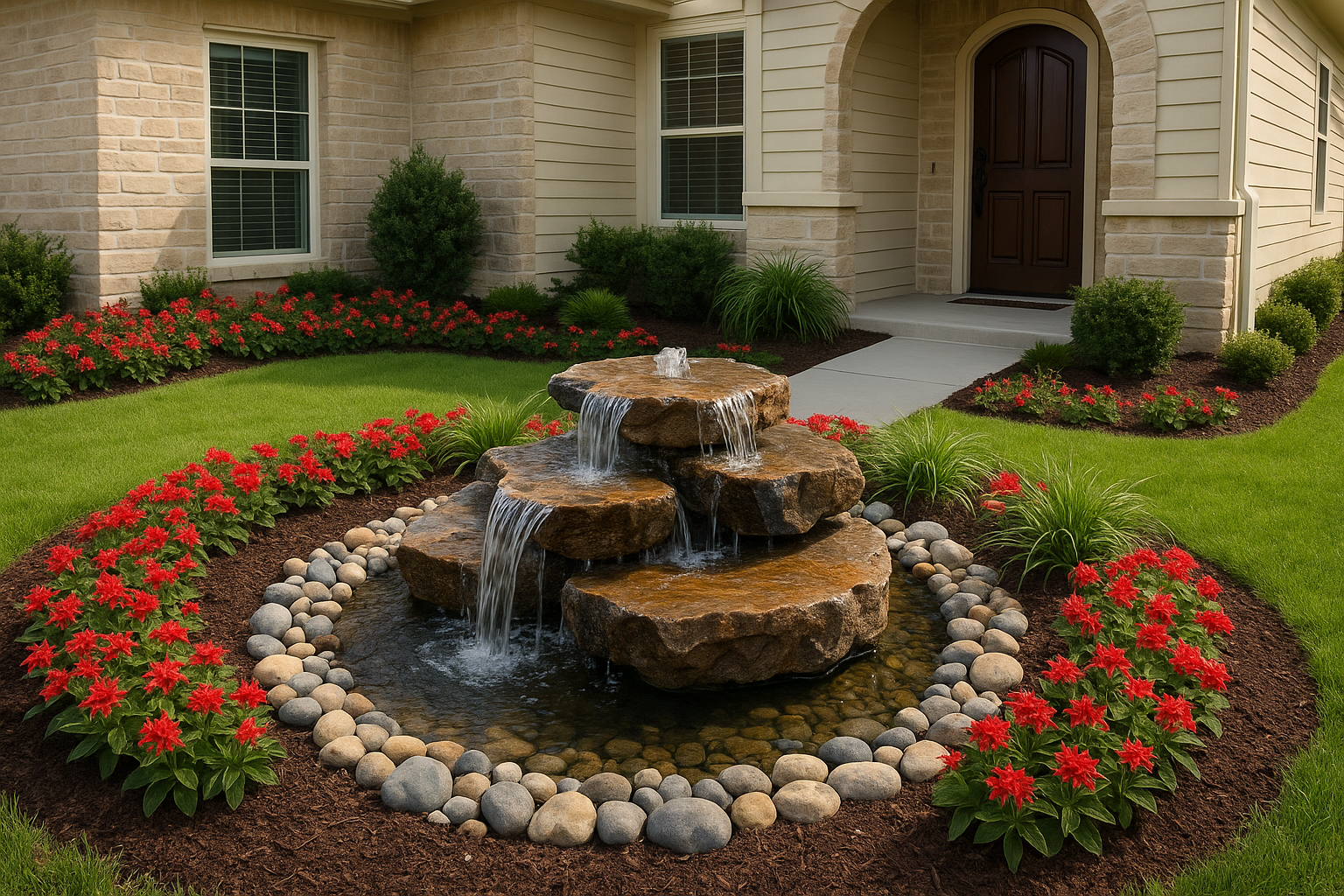
Why Add Water Features to Your Front Yard?
Water features for the front yard do more than look pretty—they set the tone for your home. The gentle sound of moving water can soften street noise, make an entry feel more welcoming, and create a calm “arrival moment” every time you pull into the driveway. Many front-yard water features also work as a focal point, helping tie together walkways, lighting, and planting beds so the whole space feels intentional.
Beyond curb appeal, water features can support local wildlife when designed thoughtfully (think shallow edges or nearby plantings for pollinators). And if you choose a recirculating system, you can enjoy the look and sound of water without a constant flow from your utility line.
Popular Types of Front Yard Water Features
The best choice depends on your space, your style, and how hands-on you want to be with maintenance. Here are front-yard favorites that fit a range of budgets and yard sizes.
1) Fountains
Fountains are one of the most popular front yard water features because they’re available in almost every style—classic tiered, modern minimalist, rustic stone, or sleek metal. Many are self-contained and recirculating, meaning they’re relatively easy to install and don’t require a large footprint.
- Great for: Small yards, formal entries, and homeowners who want a clean focal point.
- Placement tip: Center a fountain in a circular bed near the walkway, or tuck a smaller one beside the front porch seating area.
2) Pondless Waterfalls
Love the sound of falling water but don’t want an open pond? A pondless waterfall is a smart solution. Water cascades over rocks into an underground basin covered with decorative stone, where it’s recirculated back to the top. It delivers the drama of a waterfall without the same safety concerns of standing water.
- Great for: Families with kids, homes with limited space, and anyone who prefers lower maintenance.
- Style idea: Use natural boulders and native plants for a “found in nature” look, or go modern with stacked stone and clean lines.
3) Small Ponds
A front yard pond can be a showstopper—especially when paired with aquatic plants like water lilies or marginal plants around the edges. Ponds do require more care than a simple fountain, but the payoff is big: reflections, wildlife, and a mini ecosystem right at your doorstep.
- Great for: Larger front yards and gardeners who enjoy hands-on upkeep.
- Practical note: Check local codes and consider a protective edge or subtle fencing if safety is a concern.
4) Bubbling Rocks and Urns
Bubbling rocks (or bubbling urn fountains) are compact, stylish, and easy to integrate into landscaping. Water bubbles up through the top and trickles down the sides into a hidden basin. This design adds movement and sound without feeling flashy.
- Great for: Modern, desert, or cottage-style landscapes; smaller garden beds.
- Design tip: Add uplighting at the base to highlight texture and create a warm glow at night.
5) Wall-Mounted and Entryway Water Features
If you’re short on yard space, think vertical. Wall-mounted fountains or slim water walls can sit near the front door, on a courtyard wall, or alongside a path. These features can feel very high-end, especially when paired with clean hardscaping and subtle lighting.
- Great for: Courtyards, townhomes, and contemporary exteriors.
- Sound tip: The amount of splash (and volume) depends on the water drop and surface—test the sound if possible.
Choosing the Right Water Feature for Your Space
Before you start shopping (or digging), it helps to match the water feature to your front yard’s layout and your day-to-day lifestyle.
Match Your Home’s Style
A formal colonial home often looks best with a symmetrical fountain or a classic basin. A modern home pairs well with a sleek water wall or a geometric bubbling feature. Rustic or craftsman homes shine with natural stone, copper, and a more organic shape.
Consider Scale and Sight Lines
In the front yard, visibility matters. You want the feature to be seen from the street and enjoyed from the walkway, not hidden behind tall shrubs. A good rule: choose a focal point size that feels proportional to your entry and landscaping—big enough to anchor the view, but not so large it overwhelms the façade.
Think About Sun, Shade, and Wind
Sunny areas can increase algae growth in ponds, while windy spots can cause overspray and water loss for fountains. If your yard is windy, opt for a lower-profile bubbler or a feature with a contained splash zone.
Plan for Power and Water Access
Most front yard water features need a pump, which means access to electricity. You may also want a nearby hose connection for topping off water and quick cleaning. If you don’t have outdoor power in the right spot, factor in the cost of a weather-safe outlet or professional electrical work.
Installation and Maintenance Tips
A little planning upfront can save you time and frustration later, especially in a high-visibility front-yard setting.
Prioritize Safety and Local Rules
Check local ordinances and HOA guidelines before installing a pond or tall fountain. In some areas, deeper water features require specific barriers or setbacks. Also consider slip-resistant surfaces around the feature—splashes happen.
Keep Water Clean and Clear
- Use a recirculating pump sized appropriately for the feature’s height and flow rate.
- Add a simple filter to catch debris, especially if trees drop leaves into the basin.
- Clean monthly (or as needed) to prevent buildup and keep water looking fresh.
Winterizing (If You Have Freezing Temps)
In colder climates, plan for seasonal care. Many fountains should be drained and covered, and pumps stored indoors to prevent damage. Pondless systems can sometimes run year-round depending on design, but it’s still worth confirming with the manufacturer or installer.
Cost Guide: What to Expect
Front yard water feature costs vary widely based on size, materials, and whether you hire a pro. Here are general ranges to help you plan:
- Small self-contained fountain: $150–$1,000+
- Bubbling rock or urn feature: $300–$2,500 (DIY vs. installed)
- Pondless waterfall: $2,000–$10,000+ depending on size and stonework
- Small pond: $1,500–$8,000+ including liner, plants, filtration
- Wall fountain/water wall: $500–$5,000+ depending on materials and plumbing
Ongoing costs typically include electricity for the pump and occasional water treatments or replacement filters. If you want a lower-maintenance setup, a simple recirculating fountain or bubbling urn is often the easiest to live with.
Front Yard Water Feature Design Ideas That Look Polished
If you want your feature to feel like it belongs (not like an afterthought), these design moves make a big difference:
- Layer lighting: Use soft pathway lights plus a small spotlight to highlight the water at night.
- Frame it with plants: Add low evergreen structure and seasonal flowers for color. Ornamental grasses look especially good near moving water.
- Repeat materials: Match stone or metal finishes to your home’s exterior details for a cohesive feel.
- Create a landing zone: A small seating nook or a widened path near the feature encourages people to pause and enjoy it.
Conclusion
Water features for the front yard can transform a basic entry into a space that feels welcoming, calming, and memorable. Whether you choose a simple bubbling urn, a classic fountain, or a pondless waterfall with natural stone, the best results come from matching the feature to your home’s style, planning for power and upkeep, and designing with visibility in mind. Start small if you’re unsure—sometimes one well-placed water feature is all it takes to elevate your curb appeal.