
Patio Installation Cost: What to Expect (and How to Budget Wisely)
Patio Installation Cost: The Quick Answer
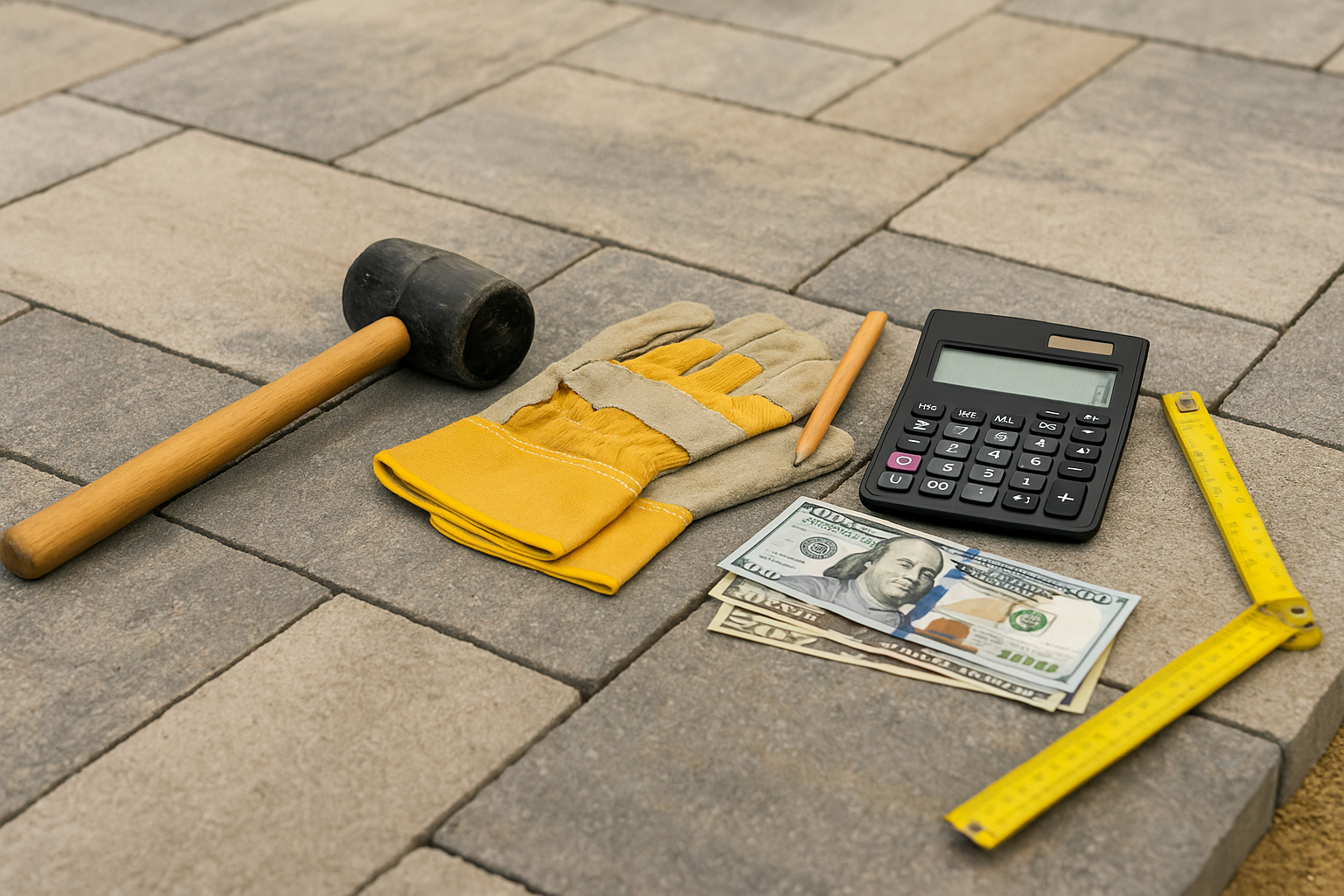
Most homeowners spend $2,000 to $10,000 on a new patio, with many projects landing around $4,000 to $7,000 depending on size, materials, and site conditions. On a per-square-foot basis, patio installation cost commonly ranges from $10 to $35 per sq. ft., but premium materials and complex designs can push that higher.
If you’re planning a backyard upgrade, understanding where the money goes—and what choices move the price up or down—can help you set a realistic budget and avoid surprise add-ons.
Average Patio Installation Cost by Size
Square footage is one of the biggest drivers of total cost. A larger patio needs more base preparation, more material, more labor, and often more edging or drainage work.
Typical price ranges by patio size
- Small (100 sq. ft.): $1,000–$3,500
- Medium (200 sq. ft.): $2,000–$7,000
- Large (400 sq. ft.): $4,000–$14,000
Tip: Patios often become more cost-effective per square foot as they get larger, but premium finishes, borders, or patterns can offset those savings.
Patio Cost by Material
The material you choose shapes not only the look of your outdoor space, but also the installation method, maintenance needs, and overall budget. Below are common patio materials and what you can generally expect to pay installed.
Concrete patio cost
Typical installed cost: $8–$20 per sq. ft.
Concrete is a popular choice because it’s versatile and relatively budget-friendly. A basic broom-finish slab is usually the lowest-cost option, while stamped, stained, or exposed aggregate finishes cost more but can mimic stone or pavers.
Paver patio cost (concrete or brick pavers)
Typical installed cost: $15–$35 per sq. ft.
Pavers offer a high-end look and excellent repairability—if one paver shifts or cracks, it can be replaced without redoing the whole surface. Costs vary based on paver quality, thickness, and patterns (like herringbone or intricate borders).
Natural stone patio cost
Typical installed cost: $20–$50+ per sq. ft.
Natural stone (flagstone, slate, limestone, or granite) is often the premium choice. It’s beautiful, unique, and can elevate curb appeal, but it typically requires more labor for fitting and leveling. Stone thickness, availability in your region, and installation style (dry-laid vs. mortared) also affect price.
Gravel or decomposed granite patio cost
Typical installed cost: $5–$15 per sq. ft.
Gravel patios can be cost-effective and quick to install. They work especially well in casual spaces or as a base for seating areas. Keep in mind that gravel can shift over time and may need occasional raking or topping off.
What Impacts Patio Installation Cost?
Two patios of the same size can have very different price tags. These are the factors that most often explain the difference.
Site prep and excavation
If the area is sloped, has poor soil, or needs substantial excavation, your labor and equipment costs can increase. Removing old concrete, roots, or large rocks can also add time and hauling fees.
Base material and depth
A strong base is one of the best investments you can make in a patio. For pavers and stone, the base often includes compacted gravel and bedding sand. Deeper, properly compacted bases cost more upfront, but they help prevent shifting, settling, and drainage problems later.
Drainage and grading
Proper water management matters—especially near foundations. If your contractor needs to regrade the yard, add drainage stone, install a channel drain, or tie into an existing drainage system, you’ll likely see an increase in overall patio installation cost.
Design complexity (shape, patterns, borders)
Simple rectangles are generally the most affordable layout. Curves, multiple levels, inlays, decorative borders, and intricate patterns require more cuts and careful placement, increasing labor time and waste.
Access to the backyard
If your crew can’t easily bring in materials with a wheelbarrow or small equipment, labor goes up. Tight gates, stairs, fencing, or limited driveway access can turn an otherwise straightforward project into a slower one.
Permits and local requirements
Some areas require permits for patios, especially if they’re tied to drainage, retaining walls, or structures. Permit fees aren’t always huge, but they can affect timelines and planning.
Common Patio Add-Ons and Their Costs
Many patios are part of a bigger outdoor living plan. If you’re considering upgrades, these are some of the most common add-ons that can change your final budget.
Popular upgrades
- Fire pit: $300–$3,000+ depending on prefabricated vs. built-in
- Seating walls: $1,000–$5,000+
- Retaining wall: $20–$60+ per sq. ft. of wall face
- Steps: $300–$2,000+ depending on material and count
- Pergola or shade structure: $2,000–$10,000+
- Outdoor lighting: $200–$2,500+
These features can be easier (and sometimes cheaper) to plan during the initial build rather than retrofitting later—especially for electrical lines, drainage, or base reinforcement.
How to Save Money on Patio Installation (Without Cutting Corners)
Saving money doesn’t have to mean settling for a patio that won’t last. The goal is to be strategic—spend where it counts and simplify where it doesn’t.
Smart ways to control cost
- Choose a simple shape. Clean lines reduce labor, cutting, and waste.
- Right-size the patio. Build for how you actually use the space. Sometimes trimming 40–60 sq. ft. makes a big difference.
- Pick midrange materials. Quality concrete pavers can look great without the price of premium natural stone.
- Limit intricate patterns. A simple running bond with a subtle border can still feel custom.
- Bundle projects. If you’re adding a walkway or small landing, doing it at the same time may reduce mobilization and delivery costs.
- Get multiple detailed quotes. Ask for line items (demo, base, materials, edging, drainage) so you can compare fairly.
DIY vs. Hiring a Pro: What’s More Cost-Effective?
DIY can lower labor costs, but patios—especially pavers and stone—are very sensitive to base prep, slope, and compaction. A patio that drains poorly or settles unevenly can become costly to fix.
When DIY makes sense
- Small, simple gravel patios
- Basic paver projects where you have time, proper tools, and can follow best practices
When it’s best to hire a professional
- Large patios or complex layouts
- Steep slopes, heavy drainage concerns, or unstable soil
- Stamped concrete, mortared stone, retaining walls, or steps
If you do hire a contractor, look for clear warranty terms and ask how they handle compaction, edge restraint, and drainage—those details are often what separate a patio that lasts from one that shifts after a season or two.
Conclusion: Budgeting for a Patio You’ll Enjoy for Years
Patio installation cost depends on size, material, and what your yard needs to support a stable, well-draining surface. Start by choosing the right material for your style and maintenance preferences, then budget for proper site prep and a solid base. With a clear plan and a few smart design choices, you can build a patio that looks great, performs well, and fits your budget.