
Garden Drainage Problems: Causes, Fixes, and Preventive Tips
Understanding Garden Drainage Problems
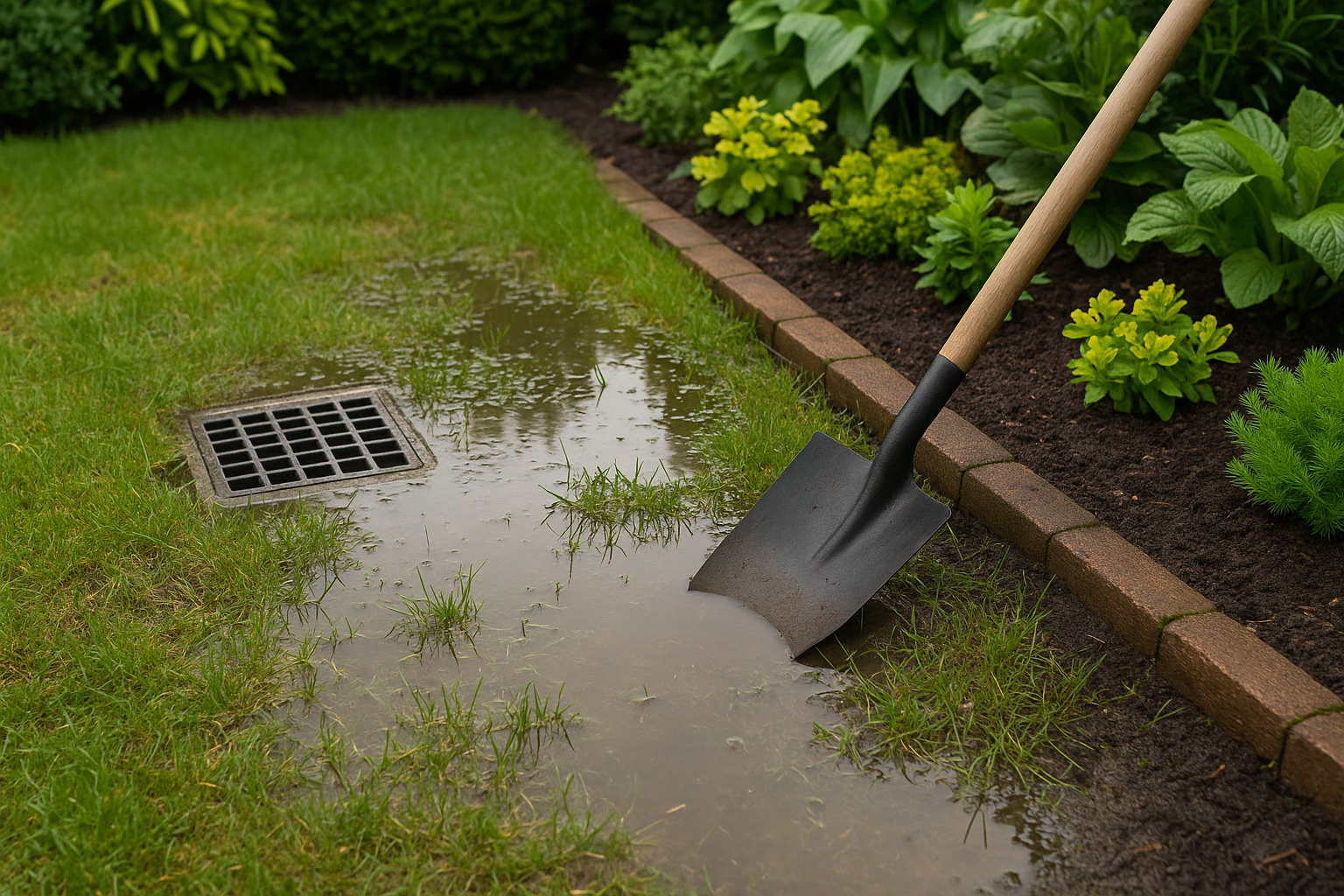
Wet patches, puddles that linger for days, dying plants despite regular watering—these are all signs of poor garden drainage. Drainage issues not only affect the appearance of your outdoor space but can damage lawns, beds, and hardscape over time. This guide explains common causes, quick fixes, long-term solutions, and preventive measures so you can enjoy a healthier, drier garden.
Common Signs and Causes of Poor Drainage
How to spot a drainage problem
- Standing water after light rain or after watering
- Waterlogged soil that dries very slowly
- Patchy lawn, yellowing grass, or plants wilting without a clear reason
- Silty or compacted soil surfaces
- Odors or mold in planting beds
Main causes
Understanding the root cause makes choosing the right fix much easier. Typical culprits include:
- Compacted soil: Heavy foot traffic, clay-rich subsoils, or using heavy machinery can compact soil and reduce its ability to absorb water.
- Poor grading: If the ground slopes toward your house, patio, or planting beds, water will pool instead of running off.
- High water table: In some areas, groundwater sits close to the surface and limits how much water soil can hold.
- Clogged drains and gutters: Blocked downspouts or garden drains can send water into the wrong places.
- Hard surfaces: Too much concrete, compacted gravel, or tightly packed paths increase runoff and overwhelm nearby soil.
Quick Fixes You Can Do This Weekend
Improve surface drainage
- Rake out topsoil to break up crusting and improve absorption.
- Create temporary shallow channels to guide water away from problem spots toward lawns or garden beds that can absorb it.
- Use raised beds or containers for plants sensitive to wet feet.
Clear and redirect water
- Clean gutters, downspouts, and surface drains—this often solves obvious pooling near structures.
- Extend downspouts with flexible piping to discharge rainwater farther from foundations or low spots.
Long-Term, More Robust Solutions
Soil improvement
Amending soil is one of the most effective long-term strategies. Incorporate organic matter—compost, leaf mold, or well-rotted manure—to improve soil structure and drainage. For heavy clay soils, combine organic amendments with coarse sand or grit (use carefully: too much sand without organic matter can create a cement-like texture).
Regrading and installing swales
Regrading means reshaping the yard so water flows away from buildings and problem areas. Swales—shallow, vegetated channels—are a natural, attractive way to redirect and slow runoff, allowing more water to soak into the ground.
French drains and soakaways
French drains (perforated pipes in a gravel trench) move excess water away from a saturated area. Soakaways (underground voids filled with stone) give water a place to collect and slowly percolate. Both require planning for correct slope and outlet points but are excellent for persistent issues.
Permeable surfaces
Replace impermeable paving with permeable alternatives (gravel, porous pavers, or reinforced grass grids) to reduce runoff and increase infiltration.
Preventing Future Drainage Problems
Design with water in mind
- Plan beds and hardscape so water naturally moves to planting areas that tolerate wetter conditions.
- Group plants by water needs—put moisture-loving species in lower spots and drought-tolerant plants on higher ground.
Routine maintenance
Keep drains and gutters clear, aerate compacted lawns annually, and refresh mulch and compost in beds. Small, regular actions prevent small problems from becoming large—and costly.
When to Call a Professional
DIY fixes work for many situations, but consult a pro if you notice:
- Water pooling against foundations or inside basements
- Persistent soggy areas despite repeated attempts to fix them
- Signs of structural damage to patios, retaining walls, or drainage infrastructure
A landscaper, drainage contractor, or civil engineer can assess soil, grading, and local water tables and recommend a durable solution tailored to your property.
Conclusion
Tackling garden drainage problems early preserves plant health, protects structures, and keeps your outdoor space pleasant and usable. Start with simple fixes—clearing gutters, aerating soil, and redirecting downspouts—and move to larger interventions like French drains or regrading for chronic issues. With a bit of planning and maintenance, you can keep water where it belongs and enjoy a thriving garden year-round.