
DIY Retaining Walls: How to Build a Strong, Good-Looking Wall on a Budget
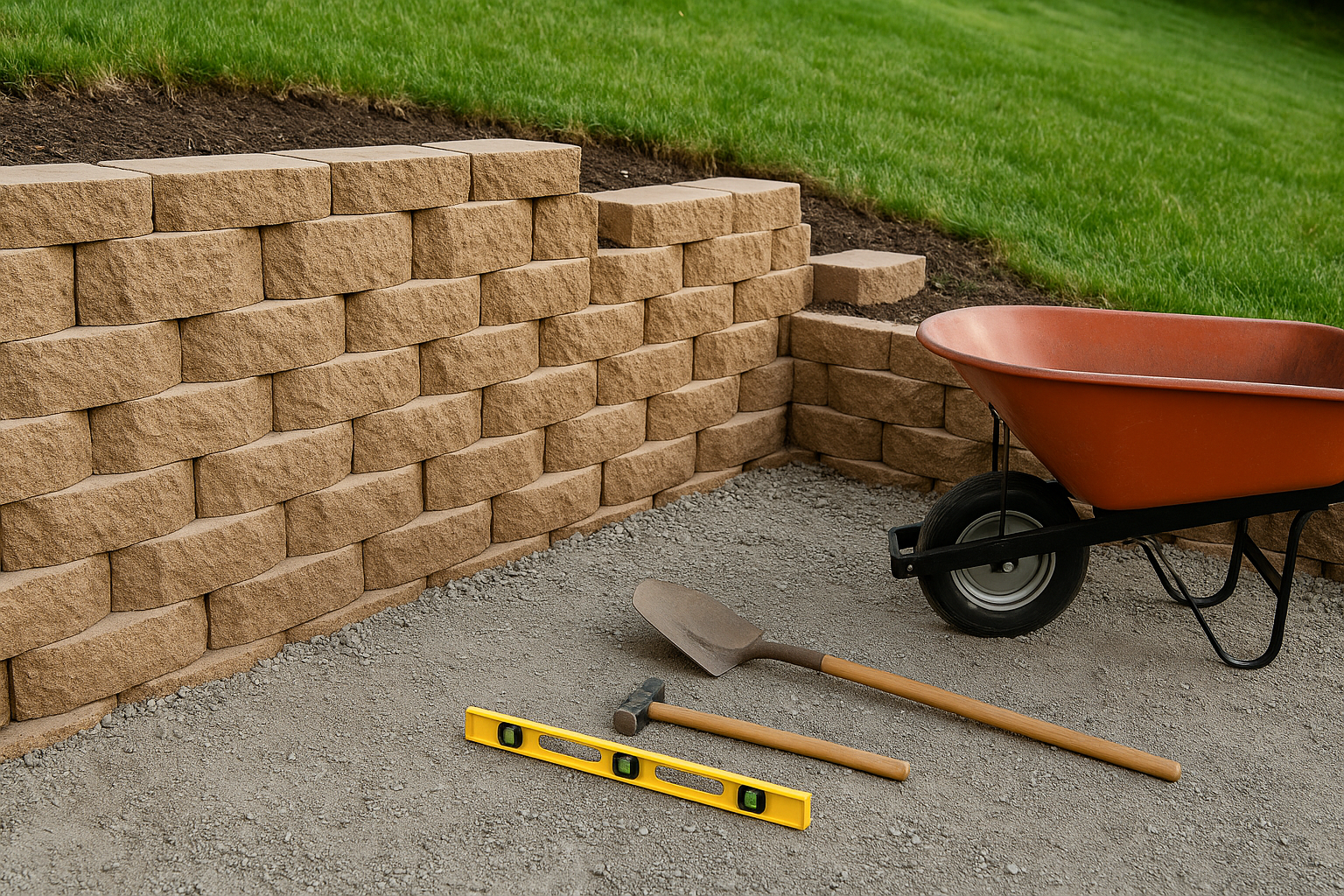
DIY Retainer Walls: What They Are and When You Need One
A DIY retaining wall (often casually called a “retainer wall”) is a structure that holds back soil to prevent erosion, flatten a sloped yard, or create usable, level space for landscaping. If you’re dealing with a steep grade, soil washing into a patio, or a garden bed that keeps collapsing after heavy rain, a retaining wall can be a practical upgrade that also adds curb appeal.
Before you start stacking blocks, it helps to understand that retaining walls don’t just “stand there.” They manage pressure from soil and water, so the best-looking walls are usually the ones built with solid base prep and reliable drainage.
Planning Your DIY Retaining Wall
A successful DIY retaining wall starts with a plan. You’ll save time, money, and frustration if you map out the wall’s purpose, location, and materials before you rent tools or order blocks.
Check local codes and permits
Many areas regulate retaining walls, especially those over 3–4 feet tall or walls that support a slope near a driveway, sidewalk, or property line. Some projects require permits, engineered designs, or specific setbacks. A quick call to your local building department can prevent costly rework later.
Choose the right type of wall
There are several DIY-friendly retaining wall options, each with its own strengths:
- Segmental concrete blocks (SRW): A popular DIY choice; blocks interlock and are designed for retaining applications.
- Timber retaining walls: Often cheaper up front, but wood can rot over time depending on climate and drainage.
- Natural stone: Beautiful but can be challenging for beginners and may require more skill to stabilize.
- Poured concrete: Very strong, but usually less DIY-friendly due to forms, reinforcement, and finishing.
If you’re new to the process, segmental retaining wall blocks are generally the easiest way to get a straight, stable wall with a clean finish.
Measure and estimate materials
Measure wall length and planned height. Keep in mind that most retaining walls need a portion buried below grade for stability, so the “visible height” isn’t the full wall height. As a rule of thumb, plan to bury roughly 10–20% of the wall height (follow the block manufacturer’s guidance).
In addition to blocks, you’ll likely need:
- Base material (crushed stone/road base)
- Drainage gravel (clean, angular stone)
- Landscape fabric (filter fabric)
- Drain pipe (perforated) for longer or wetter sites
- Caps and construction adhesive (for finishing)
Tools and Materials You’ll Need
Having the right tools makes DIY retaining wall work smoother and safer. Here’s a practical list for most block walls:
- Shovel and trenching shovel
- Wheelbarrow
- Hand tamper or plate compactor (highly recommended)
- 4-ft level (and a smaller torpedo level)
- String line, stakes, and measuring tape
- Rubber mallet
- Rake
- Safety gear (gloves, eye protection, dust mask)
- Block splitter, saw, or chisel for cuts (as needed)
Tip: Renting a plate compactor for a day usually pays for itself in wall stability—especially if you’re building more than a short decorative wall.
How to Build a DIY Retaining Wall (Step-by-Step)
These steps cover a typical segmental block retaining wall. Always follow the specific instructions for your block system, since setbacks and base specs can vary by brand.
1) Mark the layout
Use stakes and string to define the wall line. For curves, a garden hose works well as a flexible guide. Stand back and check how it looks from key viewpoints (patio, driveway, street) before digging.
2) Excavate the trench
Dig a trench wide enough for your blocks plus a little working room. The trench depth should allow for:
- Compacted base material (often 4–6 inches)
- One full base course (or part of it) buried below grade
Take your time here—good excavation is one of the biggest differences between a wall that lasts and one that leans after a season of rain.
3) Build and compact the base
Add crushed stone base in layers and compact thoroughly. A base that’s level side-to-side and front-to-back sets you up for easier stacking and a straighter wall. Use a long level and check often.
4) Set the first course perfectly level
The first row of blocks is the most important. Place each block, level it, and tap it into position with a rubber mallet. Adjust by adding or removing base material as needed. Rushing this step almost always shows up later as uneven courses or a wavy cap line.
5) Add drainage stone and fabric
Behind the wall, add drainage gravel and place landscape fabric to help keep fine soil from clogging the gravel. Water pressure is a common cause of retaining wall failure, so drainage isn’t optional—it’s part of the structure.
For many projects, adding a perforated drain pipe at the base (with the proper slope to daylight) is a smart upgrade, especially in clay soils or wet climates.
6) Stack additional courses with proper setback
Most segmental blocks are designed to “step back” slightly with each course. Clean debris off the block tops before stacking the next layer so the blocks seat properly. Stagger joints like bricks for strength and a more professional look.
7) Backfill and compact in lifts
As you build up, backfill behind the wall in small layers and compact each one. This helps reduce future settling. Keep drainage stone directly behind the blocks and use native soil farther back (unless your soil is very poor or holds water).
8) Finish with caps and clean edges
Once you reach final height, add cap blocks using exterior-grade construction adhesive. Then finish grading so water flows away from the wall. A neat edge and tidy transitions to lawn, mulch, or patio make the wall look intentional—not like an afterthought.
Common DIY Retaining Wall Mistakes to Avoid
- Skipping drainage: Trapped water adds pressure and can push a wall outward.
- Weak base preparation: A soft or uneven base leads to settling and tilting.
- Building too tall for DIY: Taller walls often need geogrid reinforcement and engineering.
- Not burying the base course: Exposed first courses can slide or shift over time.
- Backfilling without compaction: Loose soil settles and can create bulges.
Cost, Time, and When to Call a Pro
DIY retaining wall costs vary widely based on materials, wall height, and site access. Segmental block walls are typically a bigger upfront material investment than timber, but they’re durable and easier to keep looking good over time.
Time-wise, a small weekend project is realistic for a short wall. For longer walls or tricky slopes, plan extra days for excavation, base compaction, and cleanup.
Consider hiring a professional if:
- The wall is tall (commonly over 3–4 feet) or supports a steep slope
- You need geogrid reinforcement or engineered drawings
- There’s poor drainage, heavy runoff, or nearby structures (driveways, foundations)
Conclusion
A well-built DIY retaining wall can transform an awkward slope into a clean, usable space—while protecting your yard from erosion and washouts. Focus on the fundamentals (base prep, level first course, and drainage), follow your block system’s instructions, and you’ll end up with a wall that looks great and holds strong for years.