
Backyard Irrigation Solutions: Smart, Simple Ways to Keep Your Garden Thriving
Why a Good Backyard Irrigation System Matters
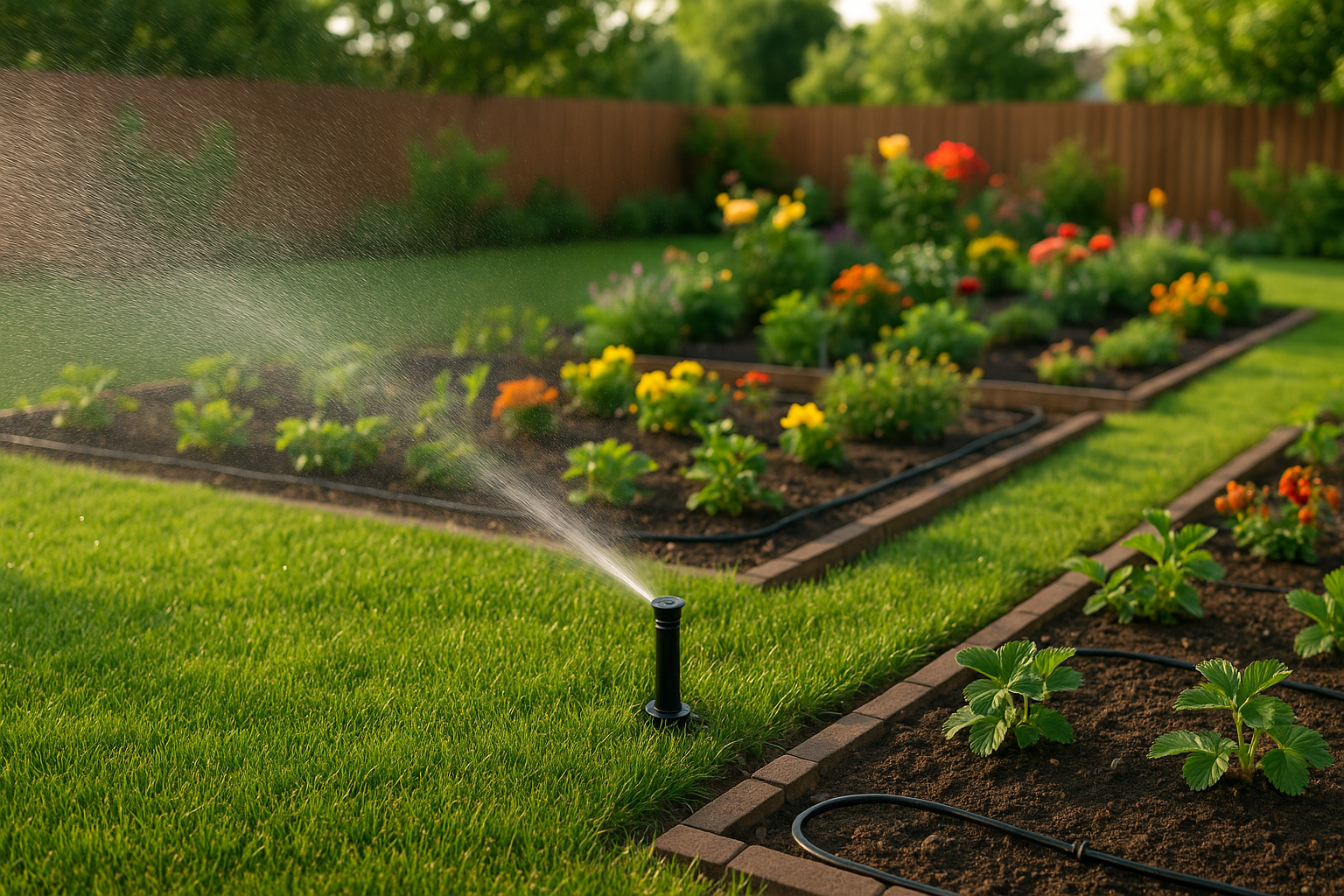
A thriving backyard doesn’t happen by accident. Proper irrigation keeps lawns green, gardens productive, and water bills under control. Whether you’re caring for turf, a vegetable patch, or container plants, the right irrigation solution saves time, reduces waste, and helps your landscape withstand heat and drought.
Types of Backyard Irrigation Systems
Drip Irrigation
Drip systems deliver water directly to the roots through tubing and emitters. They are ideal for garden beds, shrubs, and containers.
- Pros: Highly water-efficient, reduces evaporation and runoff, good for targeted watering.
- Cons: Emitters can clog, initial setup takes planning.
Sprinkler Systems
Pop-up sprinklers and rotary heads are common for lawns and larger areas. They distribute water broadly and can be adjusted for different spray patterns.
- Pros: Fast coverage for turf, easy to schedule with timers.
- Cons: Higher evaporation and drift, less efficient for narrow beds or individual plants.
Soaker Hoses
Soaker hoses are porous hoses that slowly seep water along their length. They’re a budget-friendly option for garden rows and borders.
- Pros: Simple and inexpensive, good for long beds.
- Cons: Less durable than drip tubing, can deliver uneven flow if not laid flat.
Smart & Automated Irrigation
Smart controllers and weather sensors adjust watering based on soil moisture, rainfall, and local weather forecasts. They can be added to sprinklers and drip systems alike.
- Pros: Significant water savings, set-it-and-forget-it convenience, remote control via apps.
- Cons: Higher upfront cost and sometimes a learning curve to program.
Designing Your Backyard Irrigation
Start with an Assessment
Map your yard and note plant types, sun and shade patterns, slopes, and existing water sources. Group plants by water needs—this is essential for effective zoning.
Zone Your Landscape
Zoning means separating areas with different watering needs. Lawns, flower beds, vegetable gardens, and shrubs should usually be on separate zones so you can fine-tune run times for each.
Know Your Water Pressure and Flow
Check household water pressure and flow rate before choosing heads and emitters. High-efficiency nozzles work better with lower flow, while large turf zones may require higher flow rates or multiple valves.
Layout Tips
- Stagger sprinkler heads for even coverage (head-to-head coverage rule).
- Run drip lines at the base of plants and bury tubing where possible to reduce algae growth and tripping hazards.
- Use pressure regulators and filters on drip systems to prevent clogging.
Installation and Maintenance
DIY vs Professional Installation
Smaller projects like installing soaker hoses or basic drip kits are great DIY tasks. For whole-yard sprinkler systems, or if you need trenching and multiple zones, hiring a pro ensures proper valve placement, backflow prevention, and long-term reliability.
Seasonal Maintenance
Routine care keeps systems efficient:
- Inspect emitters and sprinkler heads monthly for clogs or damage.
- Flush drip lines yearly and replace worn tubing.
- Winterize systems in cold climates: blow out lines or drain them to prevent freeze damage.
Troubleshooting Common Problems
If you notice dry spots, uneven coverage, or soggy areas, check for clogged nozzles, broken lines, incorrect head alignment, or a misconfigured controller. Most issues are straightforward to fix with basic adjustments or part replacements.
Water-Saving Tips and Best Practices
Water at the Right Time
Water early in the morning to reduce evaporation and fungal disease. Avoid watering during the heat of the day or in windy conditions.
Use Mulch and Smart Planting
Mulch reduces evaporation and moderates soil temperature. Choose drought-tolerant and native plants that match your climate to cut watering needs.
Install Rain Sensors and Soil Moisture Sensors
These devices prevent unnecessary cycling during and after rain, and soil sensors prevent overwatering by detecting root-zone moisture directly.
Adjust Seasonally
Set your controller to reduce run times in cooler months and increase during hot, dry spells. Many smart controllers can automate seasonal adjustments for you.
Conclusion
Choosing the right backyard irrigation solution comes down to balancing your landscape needs, water savings, budget, and willingness to maintain the system. Whether you pick a targeted drip setup, a traditional sprinkler system, or a smart automated solution, thoughtful design and regular upkeep will keep your garden healthy and your water bill in check. Start with a clear map of your yard, zone by plant need, and invest in a few smart upgrades to get the best results.