
Wooden Retainer Wall: Design, Build, and Maintain a Durable Timber Retaining Wall
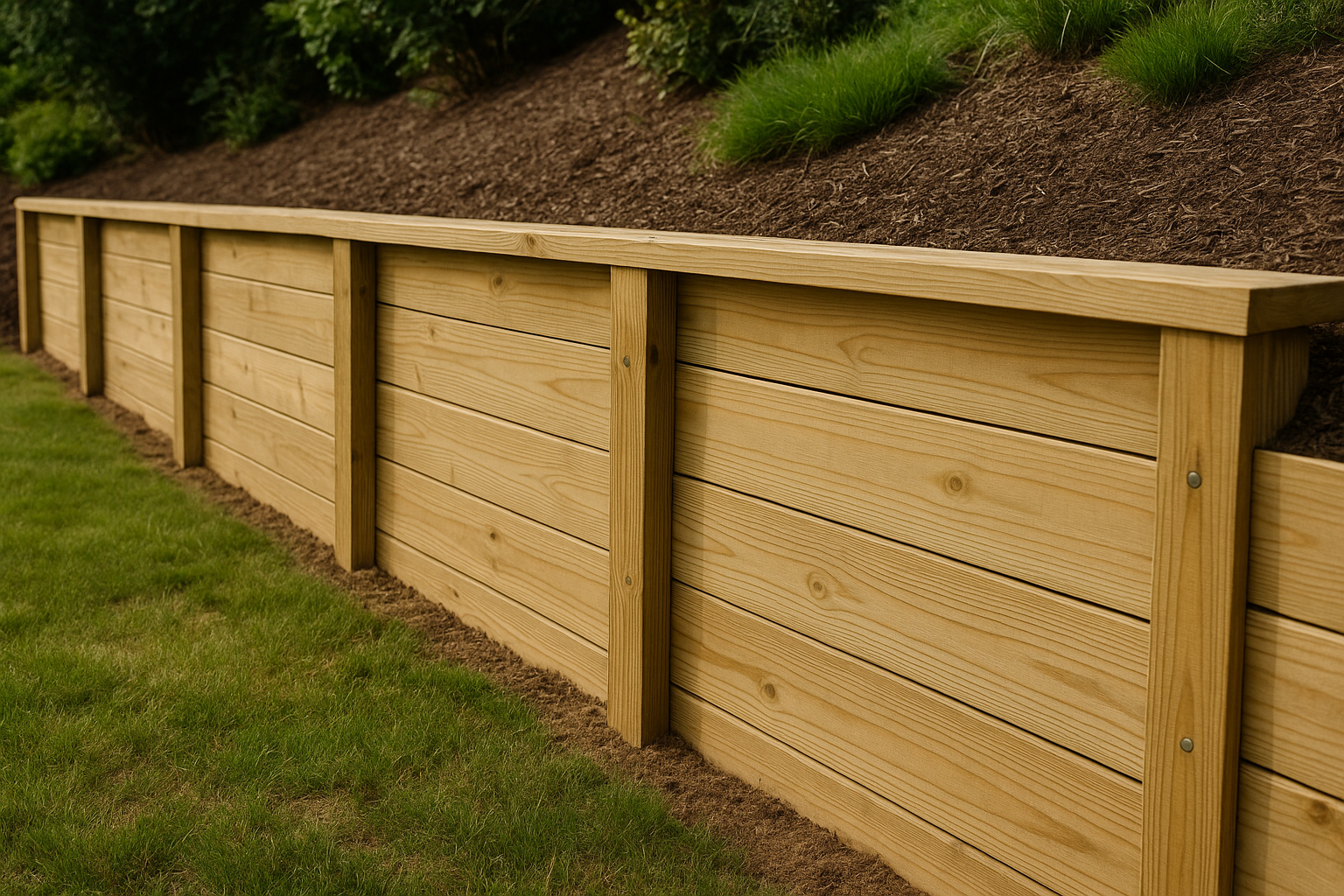
What is a Wooden Retainer Wall?
A wooden retainer wall (often called a timber retaining wall) is a landscape structure built to hold back soil on a slope, create level terraces, or define garden beds. Made from treated timber, railroad ties, or engineered wood products, these walls combine natural aesthetics with functional erosion control.
Why Choose Wood for a Retaining Wall?
Wood is an attractive option for many homeowners and landscapers because it offers a warm, natural look and integrates easily with gardens, decks, and outdoor living spaces. Key advantages include:
- Aesthetic versatility: Timber complements plants, stone, and decking, and can be stained or painted.
- Cost-effectiveness: In many regions, wood materials and labor are less expensive than stone or concrete alternatives.
- Ease of installation: Smaller wooden walls can often be installed by DIYers with basic tools.
- Environmental benefits: When sourced from certified forests or using recycled materials, wood can be an eco-friendly choice.
Design Considerations for a Wooden Retainer Wall
Before you start digging, think through these design factors to ensure your wall lasts and performs well.
- Height: Wood walls are best for low to medium heights—typically up to 3–4 feet. Taller walls require engineering, reinforced design, or different materials.
- Drainage: Proper drainage is critical. Build a gravel backfill and include perforated drain pipe to prevent hydrostatic pressure behind the wall.
- Slope and soil type: Clay soils exert more pressure than sandy soils. Steeper slopes often need terraces rather than a single tall wall.
- Anchoring and tie-backs: For higher loads, consider deadmen anchors, geogrid reinforcement, or properly buried footings to resist overturning and sliding.
Materials and Timber Types
Choosing the right timber and fasteners will determine your wall’s longevity.
- Pressure-treated lumber: Common and affordable; treatments resist rot and insects. Look for modern treatments labeled safe for ground contact.
- Cedar and redwood: Naturally rot-resistant and attractive, though typically more expensive.
- Railroad ties: Heavy and rustic, but some are treated with creosote—avoid if you plan edible gardens or need modern safety compliance.
- Fasteners: Use hot-dipped galvanized or stainless-steel screws/bolts to avoid corrosion and staining.
Basic Construction Steps
The following steps outline a simple approach for a typical small wooden retainer wall. For taller or load-bearing walls, consult a structural engineer.
1. Planning and Permits
Check local building codes and property lines. Many areas require permits for retaining walls over a certain height.
2. Excavation and Base
Excavate a trench for the footing deep enough to reach frost line where applicable. Fill with compacted crushed stone to provide a stable, level base.
3. First Course and Leveling
Lay the first course of timbers directly onto the compacted base. Ensure each piece is level and firmly seated—this is the most important course for long-term stability.
4. Backfill and Drainage
As you build up courses, backfill with free-draining gravel rather than native soil. Install a perforated drain pipe at the base and wrap it with landscape fabric to prevent clogging.
5. Anchoring and Finishing
Anchor each course with long galvanized spikes or threaded rods, and stagger joints between courses for strength. Cap the wall with a finished timber or bench for a polished look.
Maintenance and Longevity
With proper design and upkeep, wooden retainer walls can last 15–30 years or more. Tips to maximize lifespan:
- Keep soil and mulch a few inches below the top edge to reduce moisture wicking.
- Inspect for rot, insect damage, and loose fasteners annually.
- Re-seal or restain exposed timbers every 3–5 years, depending on finish and climate.
- Ensure drainage remains clear—standing water is the main cause of premature failure.
Cost Considerations
Costs vary widely by material, height, length, and labor. As a rough guide, expect lower materials cost than stone or concrete for short walls, but factor in potential expenses for engineered solutions, drainage systems, and professional installation if the wall exceeds simple DIY scope.
Permits, Safety, and When to Hire a Pro
Always check local regulations. Hire a professional if your wall will retain a structure, support a driveway, exceed local height limits, or if soil conditions are complex. A qualified landscaper or structural engineer can provide design calculations, proper materials, and ensure long-term safety.
Conclusion
A wooden retainer wall is a beautiful and practical way to manage slopes, prevent erosion, and create functional outdoor spaces. With the right design, materials, and maintenance, timber walls provide a cost-effective, natural-looking solution that enhances your landscape for years to come. Plan carefully, respect drainage needs, and don’t hesitate to consult professionals for higher or more complex installations.