
Stone Walkway Landscaping: Design, Materials, and Installation Guide
Why Choose a Stone Walkway
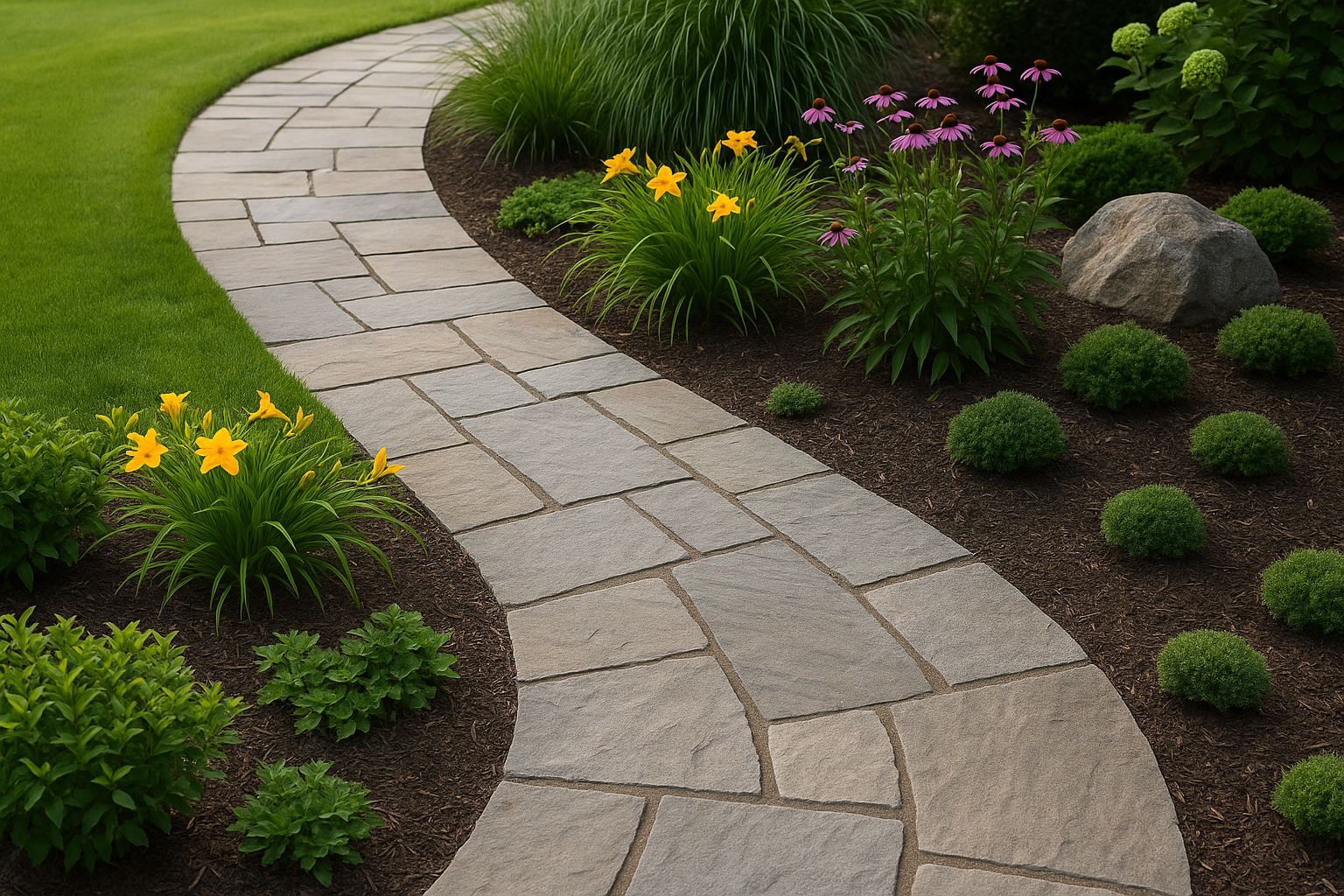
A stone walkway brings character and durability to your landscape. Whether you want a formal path to the front door or a rustic trail through the garden, stone creates a tactile, long-lasting surface that complements plants, lighting, and architectural elements. Stones age beautifully, require less maintenance than wood, and can be customized to suit a wide range of styles.
Types of Stone and Materials
Natural Stone
Natural stone like flagstone, slate, and bluestone offers unique textures and colors. Each slab is one-of-a-kind, producing a more organic feel. Flagstone is popular for irregular paths, while bluestone and slate give a refined, flatter surface suitable for high-traffic areas.
Cut Stone and Pavers
Cut stone and concrete pavers provide uniformity and predictable installation. They are easier to lay in tight, straight patterns and can be arranged in many styles, from running bond to herringbone. Pavers are often more budget-friendly while still offering a polished appearance.
Recycled and Salvaged Options
Consider reclaimed brick, broken concrete (often called urbanite), or salvaged cobblestones for a sustainable approach. These materials can add history and texture to a walkway and are a great choice for eco-conscious homeowners.
Design Considerations
Width and Flow
Think about how the walkway will be used. A single person path can be 2 to 3 feet wide; a primary route to your front door should be 4 to 5 feet to allow comfortable two-way passage. Curved paths create a sense of mystery and soften the landscape, while straight lines read more formal and direct.
Edge Treatments
Edges define the walkway and prevent stones from shifting. Options include metal edging, low stone curbs, mortar seams, or planting borders. Natural-looking edges using ground cover plants like thyme or creeping Jenny can soften the transition between stone and garden.
Lighting and Planting
Integrate low-voltage or solar path lights to improve safety and highlight textures at night. Use planting to frame the walkway: low shrubs, ornamental grasses, and seasonal perennials keep sightlines open while adding seasonal interest. For a cottage garden feel, allow groundcovers to spill slightly over the edges.
Installation Basics
Preparing the Base
Proper preparation is the foundation of a long-lasting walkway. Excavate to a suitable depth—typically 4 to 8 inches depending on the stone and expected load. Compact the soil, add a geotextile if necessary to prevent settling, then lay a crushed stone or gravel base and compact it evenly. A level, well-drained base prevents movement and pooling water.
Laying the Stones
Dry-lay the stones first to plan the layout and spacing. For irregular stones, fit pieces like a puzzle, leaving gaps for jointing material or groundcover. Use a rubber mallet to bed stones into a layer of sand or fine gravel. For cut pavers, maintain consistent joint widths and consider a grid pattern for speedier installation.
Drainage and Finishing Touches
Maintain a slight slope away from structures to ensure water runs off properly. Fill joints with polymeric sand, pea gravel, or planting soil depending on the aesthetic and function desired. Seal stone surfaces if you want to enhance color and reduce staining; choose a breathable sealer appropriate for the stone type.
Maintenance Tips
Cleaning
Routine sweeping prevents debris buildup. For tougher stains, a mild detergent and a stiff brush are usually enough. Pressure washing can be effective but should be used cautiously to avoid dislodging jointing material or damaging softer stones.
Weed Control and Joint Care
Weeds in joints are a common bother. Use polymeric sand or a gravel joint to reduce weed emergence. Pull weeds by hand and spot-treat persistent growth. Refill settling joints as needed to maintain stability and appearance.
Seasonal Concerns
Freeze-thaw cycles can shift stones. In colder climates, use de-icing products that are safe for stone and avoid metal shovels that can chip surfaces. Inspect the walkway each spring and repair any displaced stones promptly.
Budget and Hiring Professionals
Cost Factors
Costs vary with material choice, labor, site complexity, and drainage needs. Natural stone tends to be more expensive than concrete pavers, but long-term durability can offset the initial investment. Factor in edging, lighting, and base preparation when estimating total costs.
When to Hire a Pro
If your site has significant grading, drainage challenges, or you want a complex pattern or precise cuts, hiring an experienced hardscaper is wise. A pro will ensure proper sub-base preparation and long-term performance, often saving you time and money in repairs later.
Conclusion
A well-planned stone walkway enhances curb appeal, improves function, and adds enduring value to your landscape. By choosing the right materials, planning the layout, and preparing the base correctly, you can create a path that’s both beautiful and practical. Whether you DIY or hire a pro, thoughtful design and basic maintenance will keep your stone walkway looking great for years.