
Smart Sprinkler Systems for Landscaping: Design, Installation, and Care
Introduction: Why a Sprinkler System Matters for Landscaping
A well-designed sprinkler system transforms landscaping from a time-consuming chore into an efficient, reliable routine that keeps lawns, flower beds, and trees healthy. Whether you have a small suburban yard or a large property, a quality irrigation plan saves water, time, and money while improving plant health and curb appeal.
Types of Sprinkler Systems
Oscillating and Rotor Sprinklers
Oscillating sprinklers deliver a wide, fan-shaped spray and are best for rectangular lawns. Rotor sprinklers rotate and cover larger distances in adjustable arcs; they’re ideal for mid- to large-sized grassy areas.
Fixed Spray and Spray Heads
Fixed spray heads provide a steady, even mist and work well for small to medium lawns and flower beds. They’re most effective at short ranges and are commonly used in conjunction with rotors to fine-tune coverage.
Drip Irrigation
Drip systems deliver water directly to the plant root zone through tubing and emitters. This method is highly water-efficient and excellent for flower beds, shrubs, vegetable gardens, and newly planted trees.
Planning Your Sprinkler System
Assess Your Landscape and Water Needs
Start by mapping your yard, noting lawn areas, beds, trees, slopes, and sun exposure. Group plants with similar water needs into zones. This zoning approach ensures each section receives the right amount of water without over- or under-watering.
Determine Water Pressure and Flow
Check your water pressure and flow rate using a pressure gauge and a flow test. These measurements dictate the number of sprinkler heads per zone and help you select compatible heads and a suitable controller.
Designing Effective Zones
Keep zones manageable. For example, sprinkler heads with high precipitation rates should not share a zone with drip lines or low-volume emitters. Consider slope, sun exposure, and soil type when grouping areas to avoid runoff and ensure even absorption.
Installation Basics
DIY vs. Professional Installation
DIY installation can save money for simple systems and earnest homeowners. However, professional installers bring design expertise, proper trenching equipment, and warranty-backed products—especially valuable for complex or large landscapes.
Key Components
- Controller (timer)
- Valves for each zone
- Backflow preventer to protect potable water
- Pipes, fittings, and sprinkler heads or drip tubing
- Rain sensors or smart weather-based controllers
Water Efficiency and Smart Controls
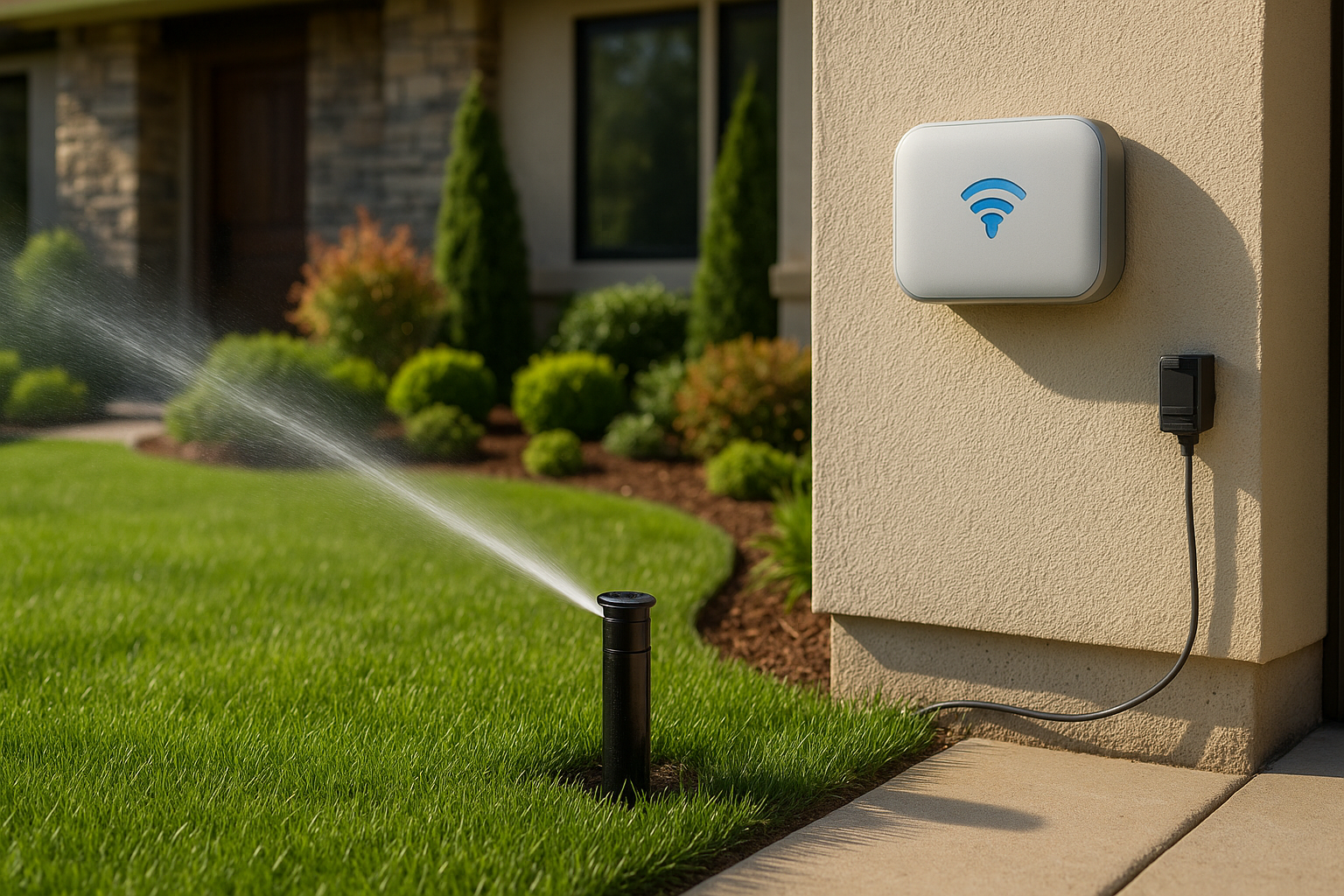
Modern controllers can adjust watering schedules based on weather, evapotranspiration (ET), or local restrictions. Pairing smart controllers with rain sensors, soil moisture probes, and efficient emitters reduces water waste and keeps landscapes healthier.
Mulch and Plant Selection
Combine irrigation efficiency with landscape practices such as mulching to retain soil moisture and selecting drought-tolerant plants for low-water zones. These steps reduce watering needs and maintenance over time.
Maintenance Tips to Extend System Life
Seasonal Checks
Inspect your system at the start and end of the irrigation season. Look for clogged heads, leaks, broken nozzles, and controller settings. Winterization—blowing out lines in cold climates—prevents freeze damage.
Routine Monitoring
Walk your yard while the system runs to spot coverage gaps, overspray onto sidewalks or driveways, and pooling water. Adjust head alignment and pressure regulators as needed to maintain even coverage.
Troubleshooting Common Problems
Low pressure, uneven coverage, or frequent valve cycling are common issues. Check for blocked nozzles, stuck valves, or leaks. If electrical problems occur (e.g., zone not activating), test the controller and wiring or consult a professional.
Cost Considerations
Costs vary widely depending on system complexity, materials, and labor. Simple DIY drip systems for garden beds can be inexpensive, while a professionally installed automated sprinkler system for a large lawn will represent a higher investment. Consider long-term savings from water efficiency and potential increases in property value.
Conclusion
A thoughtfully planned sprinkler system makes landscaping easier, conserves water, and supports healthier plants. Whether you choose a simple drip setup or a full smart irrigation system, invest time in proper design, installation, and maintenance. The right system pays dividends in beauty, convenience, and sustainability.