
Retaining Wall Cost: A Complete Guide to Materials, Labor, and Realistic Price Ranges
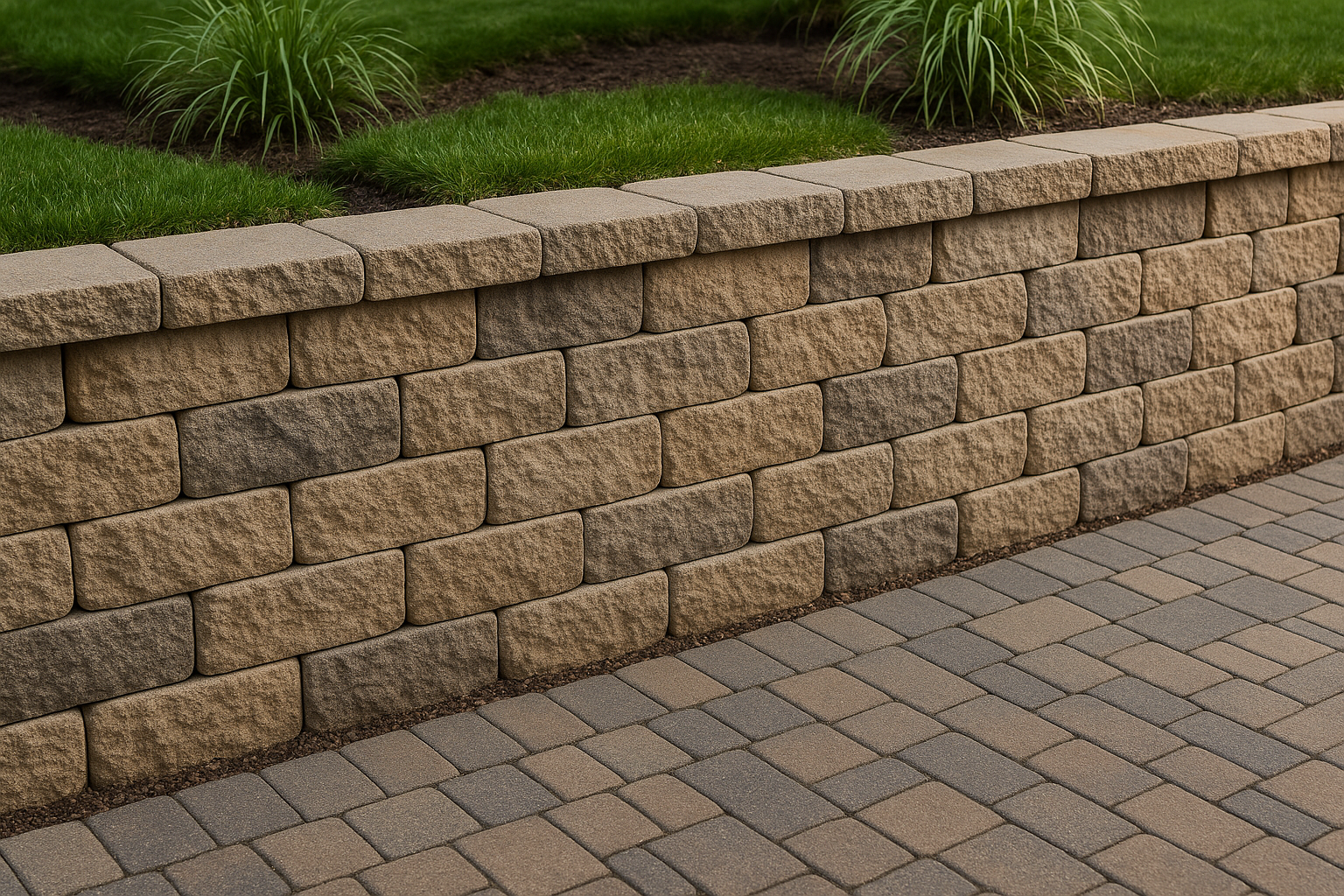
Retaining Wall Cost: What to Expect
Planning a retaining wall is one of the most impactful landscaping projects you can undertake — it controls erosion, creates usable space, and boosts curb appeal. But cost varies widely depending on materials, height, site conditions, and labor. This guide breaks down realistic price ranges, what drives the numbers, and how to save without sacrificing durability.
Typical Cost Ranges
Per linear foot and per square foot estimates
Most homeowners will see retaining wall costs fall into these broad ranges:
- Basic timber wall: $20–$40 per linear foot
- Concrete block (segmental): $30–$75 per linear foot
- Poured concrete: $50–$150 per linear foot
- Natural stone: $75–$200+ per linear foot
- Gabion wall (wire baskets filled with stone): $50–$120 per linear foot
For per-square-foot comparisons (useful when height is consistent), expect roughly $15–$50/sq ft for common solutions; premium stone or complex poured walls can exceed $100/sq ft.
Factors That Drive Retaining Wall Cost
Material choice
Materials account for a large share of cost. Timber is inexpensive but less durable; concrete blocks are cost-effective and modular; poured concrete is strong but labor-intensive; natural stone is beautiful but costly to source and install.
Height and length
Height matters more than length. A wall under 3 feet typically requires less engineering and lighter foundations. Walls over 4 feet often need drainage systems, reinforced footings, and sometimes a structural engineer — all of which add cost.
Site conditions and accessibility
Steep slopes, rocky soil, poor access for equipment, or the need to remove trees and stumps increases labor and machinery time. Tight urban yards where materials must be carried in by hand add labor premiums.
Drainage and structural needs
Proper drainage (gravel backfill, drain pipes, filter fabric) prevents hydrostatic pressure and failure. For taller walls, tie-backs, geogrid reinforcement, or concrete footings will be required and drive up costs.
Permits and engineering
Local codes may require permits, inspections, or engineered designs for walls above a certain height. Factor permit fees and engineer consultations into your budget — often a few hundred to several thousand dollars depending on complexity.
Example Cost Calculations
Quick example: a 40-foot long, 3-foot high segmental block wall typically runs about $30–$60 per linear foot. That yields a total cost in the $1,200–$2,400 range. If the same wall is 6 feet high with geogrid and engineered footings, cost could jump to $5,000–$10,000 or more.
DIY vs Hiring a Pro
DIY can save 30–50% on labor but is realistic only for low walls on flat sites with basic block or timber systems. Misjudging drainage or foundation needs can cause failure and cost far more to fix. Hire a reputable contractor if:
- The wall is over 4 feet tall
- The site has poor drainage or unstable soil
- You want a long-lasting stone or poured concrete wall
Maintenance and Lifespan
Expect differing lifespans: treated timber performs 10–30 years, concrete block 30–50 years, and properly built natural stone can last a century. Regular maintenance — keeping drains clear, addressing small bulges early, and replacing failed tie-backs — increases longevity and reduces lifetime cost.
Ways to Save Without Sacrificing Quality
- Compare multiple contractor bids and ask for detailed line items.
- Choose segmental block systems for a balance of cost and durability.
- Consider shorter run lengths or terracing multiple low walls instead of one tall wall.
- Do prep work yourself (clearing vegetation, minor grading) to reduce labor hours.
- Use locally sourced stone or recycled materials where appropriate.
When to Get a Structural Engineer
Call an engineer if you plan to build higher than local code limits without stepbacks, if the wall will retain a driveway or structure, or if there are signs of major settlement or slope instability. An engineer’s input can prevent catastrophic failure and protect your investment.
Conclusion
Retaining wall cost varies widely but is predictable once you account for material, height, site conditions, drainage, and permitting. For most homeowners a budget between a few thousand and $15,000 covers typical projects; high-end stone or complex engineered walls will cost more. Get multiple estimates, prioritize proper drainage and foundation work, and consider a pro for taller or complicated builds — the upfront investment is often the cheapest path in the long run.