
Retainer Walls for Gardens: Design, Materials, and Practical Tips
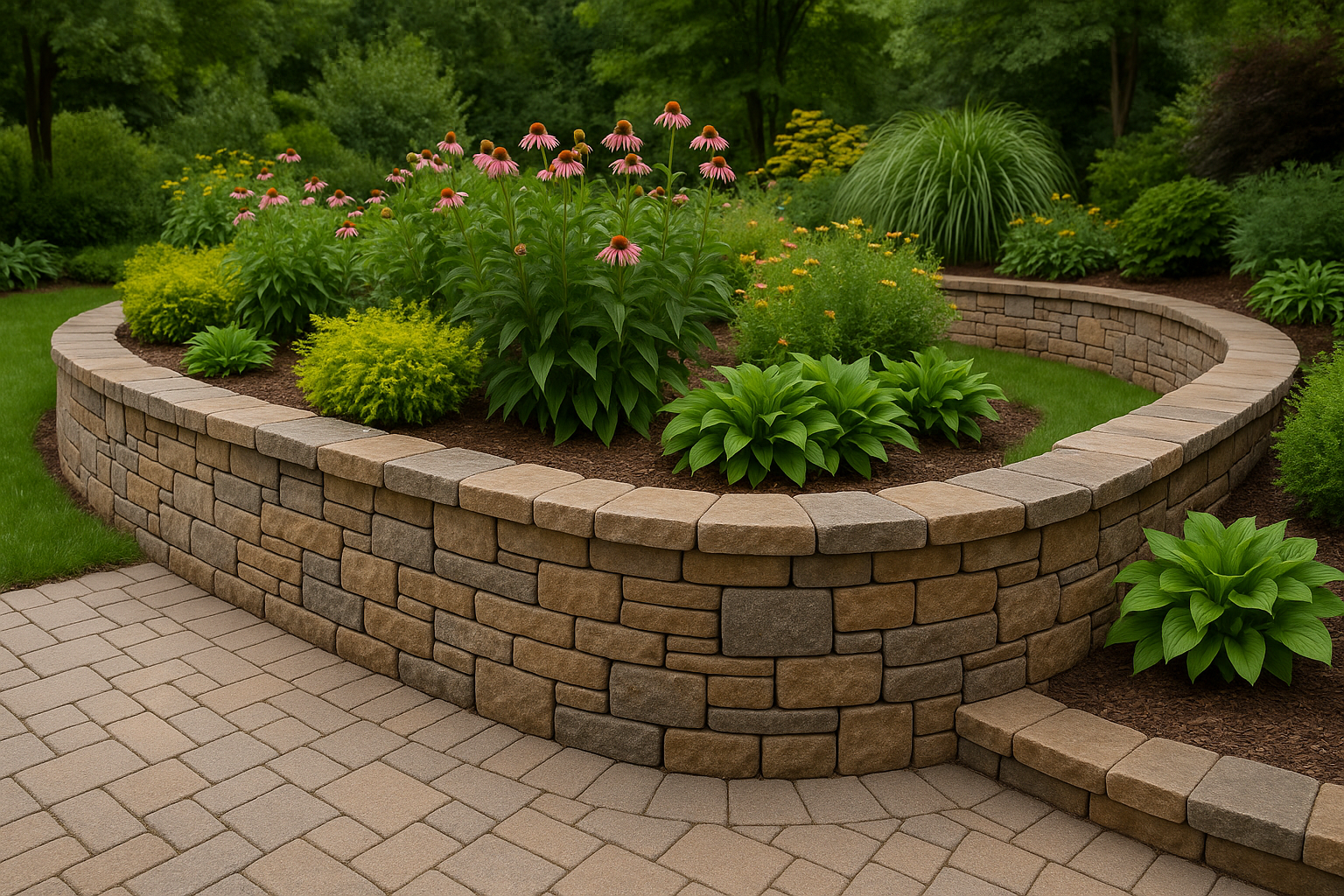
Retainer Walls for Gardens: An Introduction
Retainer walls (often called retaining walls) transform sloped or awkward garden areas into usable, attractive spaces. They stop soil erosion, improve drainage, and create level planting terraces or seating areas—turning a difficult yard into a purposeful landscape feature. Whether you want a low decorative wall or a structural terrace that holds back a steep bank, understanding design, materials, and installation basics will help you plan a successful project.
Benefits of Retainer Walls
Control Erosion and Improve Drainage
One of the primary functions of a retainer wall is to stabilize soil. By holding back sloped soil and directing water runoff, a well-built wall prevents washouts, protects foundations, and reduces puddling in low spots.
Maximize Usable Space
Terracing with walls creates level planting beds, patios, or pathways. This is especially valuable on steep sites where flat areas are otherwise limited.
Enhance Aesthetics and Value
Retainer walls can be a focal point—using stone, timber, or masonry to complement your garden style. They also add curb appeal and can increase property value by improving landscape function.
Types of Retainer Walls and Their Uses
Dry-Stack Stone or Natural Stone
Natural stone offers a timeless look and can be stacked without mortar for a rustic appearance. It’s durable and blends well with plants, but can be costly and requires skill to install properly.
Concrete Block (Segmental Retaining Walls)
Concrete blocks are popular for DIY and professional projects. They’re engineered to lock together and often include features for drainage and stability. Available in many finishes and heights, they balance durability and cost.
Treated Timber
Treated timber is attractive for lower walls and garden beds. It’s generally less expensive up front but has a shorter lifespan than stone or concrete and may eventually rot or require replacement.
Gabion Walls
Gabions—wire baskets filled with rock—are strong, permeable, and industrial-chic. They work well for large-scale solutions and are forgiving with drainage, but the look is bold and may not suit every garden.
Design and Planning
Assess the Site
Start by observing how water flows across the site, identify utility lines, and measure slopes and heights. Small changes in grade can create big differences in drainage and wall requirements.
Determine Wall Height and Load
Low decorative walls under about 3 feet may be straightforward, but taller walls need proper engineering, footings, and sometimes geogrid reinforcement. If the wall will hold back a driveway or heavy fill, consult a structural engineer.
Check Permits and Regulations
Local building codes often regulate wall height, setbacks, and drainage. Pull the appropriate permits and follow code requirements to avoid costly rework or fines.
Materials, Costs, and Sustainability
Material Choices and Trade-Offs
Choose materials based on aesthetics, budget, and longevity. Stone and concrete are long-lasting but more expensive; timber is budget-friendly but shorter-lived. Gabions can be cost-effective for large projects but require rock fill and heavy labor.
Estimated Costs
Costs vary widely by region, complexity, and finish. As a rough guide: simple low timber walls might run $20–$50 per linear foot, concrete block systems $50–$120/ft, and natural stone $100+/ft. Always get multiple quotes and factor in drainage, footings, and labor.
Installation Tips
Prioritize Drainage
Water pressure is the top cause of wall failure. Use gravel backfill, perforated drainage pipe (tile), and weep holes where appropriate. Proper drainage reduces hydrostatic pressure and extends wall life.
Prepare a Solid Base
A compacted gravel base prevents settling. For many walls, a level, well-compacted base of crushed stone provides the foundation that keeps the wall straight and stable.
Consider Professional Help for Taller Walls
For walls over about 3–4 feet, or those retaining heavy loads, hire a professional who understands footings, reinforcement, and local code requirements.
Planting and Finishing Touches
Choose Plants Wisely
Use shallow-rooted perennials, groundcovers, and grasses on top terraces to reduce additional pressure on the wall. Trailing plants like sedum or thyme soften block or stone faces and help integrate the structure into the garden.
Layered Landscaping
Combine textures—mulch, gravel paths, and vertical accents like small trees or decorative fencing—to create depth and disguise transitions between wall and lawn.
Maintenance
Check the wall annually for movement, bulging, or drainage issues. Remove vegetation that may disturb foundations, clear drains and weep holes, and repair mortar or blocks as needed to avoid bigger problems later.
Conclusion
Retainer walls for gardens are a practical and beautiful way to manage slopes, improve drainage, and expand usable outdoor living space. Thoughtful planning—focusing on site assessment, drainage, material choice, and local regulations—will help you build a lasting wall that looks great and performs well. If your wall is large or supports heavy loads, involve a professional early to ensure safety and longevity.