
Residential Landscape Architecture: Designing Beautiful, Functional Yards
Introduction
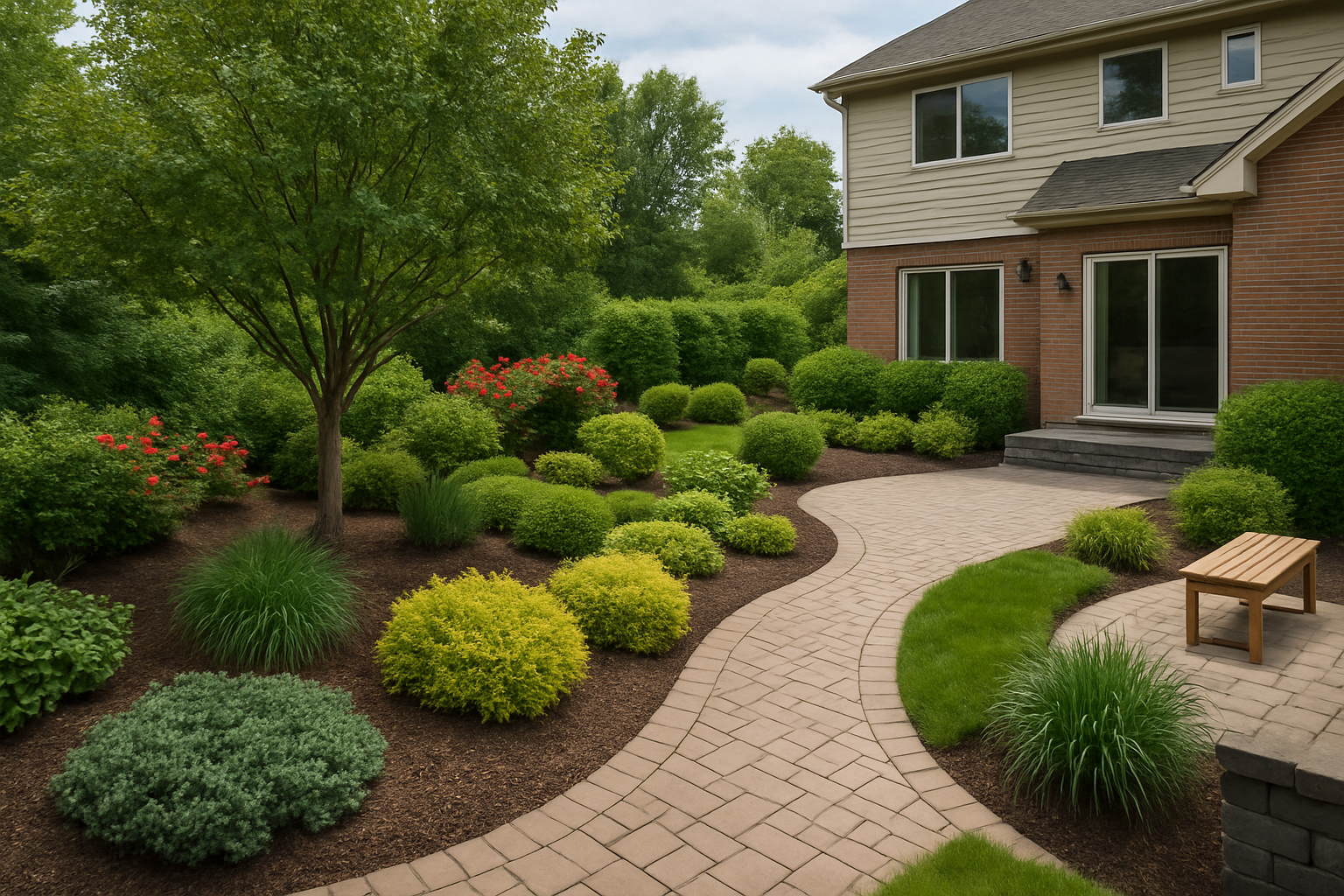
Residential landscape architecture blends creativity, ecology, and practical problem-solving to transform yards into beautiful, useful outdoor spaces. Whether you have a small urban lot or an expansive suburban property, thoughtful landscape architecture improves curb appeal, increases property value, and creates outdoor rooms that match how you live.
What Is Residential Landscape Architecture?
Residential landscape architecture is the professional practice of planning, designing, and managing outdoor spaces for homes. It goes beyond simple gardening or planting to consider site conditions, circulation, views, microclimates, stormwater, and long-term sustainability. A landscape architect coordinates plants, hardscape materials, lighting, and outdoor structures to create cohesive environments.
Landscape Architecture vs. Landscape Design
Although the terms are sometimes used interchangeably, landscape architecture generally involves formal training and licensure and may include grading, drainage, and engineered elements. Landscape designers often focus on planting plans and aesthetics. For complex projects—like significant grading, retaining walls, or stormwater management—working with a licensed landscape architect is usually the safer choice.
Key Elements of Successful Residential Landscape Architecture
Functional Layout and Flow
A strong plan begins with how people will move through the property. Pathways, seating areas, play zones, and service spaces (like compost or utility access) should be arranged for easy access and privacy. Zoning the yard into active and passive areas helps avoid conflicts and encourages multiple uses.
Plant Selection and Ecology
Choosing the right plants for the site is critical. Native and climate-adapted species reduce maintenance and water use, support local wildlife, and are often more resilient to pests and disease. Consider seasonal interest—spring blooms, summer foliage, fall color, and winter structure—to keep the landscape engaging year-round.
Hardscapes and Materials
Hardscape features—patios, walkways, retaining walls, decks, and pergolas—provide structure and function. Material choices should balance aesthetics, durability, and maintenance. Natural stone, permeable pavers, and sustainably sourced timber are popular choices that can age gracefully while minimizing environmental impact.
Water Features and Sustainability
Incorporate water-smart strategies such as rain gardens, bioswales, and permeable surfaces to manage runoff and recharge groundwater. Features like small ponds or fountains can add ambiance, but they should be designed with safety and maintenance in mind.
Typical Project Process
Site Analysis and Client Goals
Successful projects start with a thorough site analysis: sun and shade patterns, soil type, drainage, existing vegetation, and views. Equally important is understanding the homeowner’s lifestyle—do you entertain often, need space for kids or pets, or want a quiet retreat?
Concept Design to Construction Documents
After research, the design phase produces concept sketches, 3D visuals, and planting plans. Construction documents specify materials, grading, plumbing, and plants so contractors can build accurately. Clear communication between the homeowner, landscape architect, and contractor reduces surprises during construction.
Installation and Maintenance Planning
Installation quality affects long-term success. A good plan includes maintenance guidelines and a phased approach if budget constraints require staged construction. Regular seasonal care—pruning, mulching, irrigation checks—keeps the design healthy and beautiful.
Budgeting and Hiring Professionals
Cost Considerations
Budget varies widely based on scale, materials, and site complexity. Hardscaping and engineered solutions tend to be the costliest elements, while smart plant choices and phased installation can help control expenses. Get multiple quotes and ask for detailed scopes of work.
Choosing a Landscape Architect vs. a Designer
If your project involves grading, permits, complex drainage, or structural elements, choose a licensed landscape architect. For simpler beautification projects, an experienced landscape designer or contractor may suffice. Always check portfolios, references, and, where applicable, licensure.
Current Trends in Residential Landscape Architecture
Several trends are shaping contemporary residential landscapes: prioritizing native and drought-tolerant plants, creating outdoor living spaces with kitchens and seating, integrating smart irrigation and lighting systems, and designing for climate resilience. Homeowners increasingly want landscapes that are low-maintenance, wildlife-friendly, and capable of handling extreme weather.
Conclusion
Residential landscape architecture offers a way to make outdoor spaces more beautiful, functional, and sustainable. By combining careful planning, appropriate plant selection, and quality materials, you can create an outdoor environment that reflects your lifestyle and stands the test of time. Whether you tackle a small update or a full redesign, thoughtful design pays dividends in enjoyment and property value.