
Pathway Lighting Solutions: Bright, Safe, and Beautiful Walkways
Why pathway lighting matters
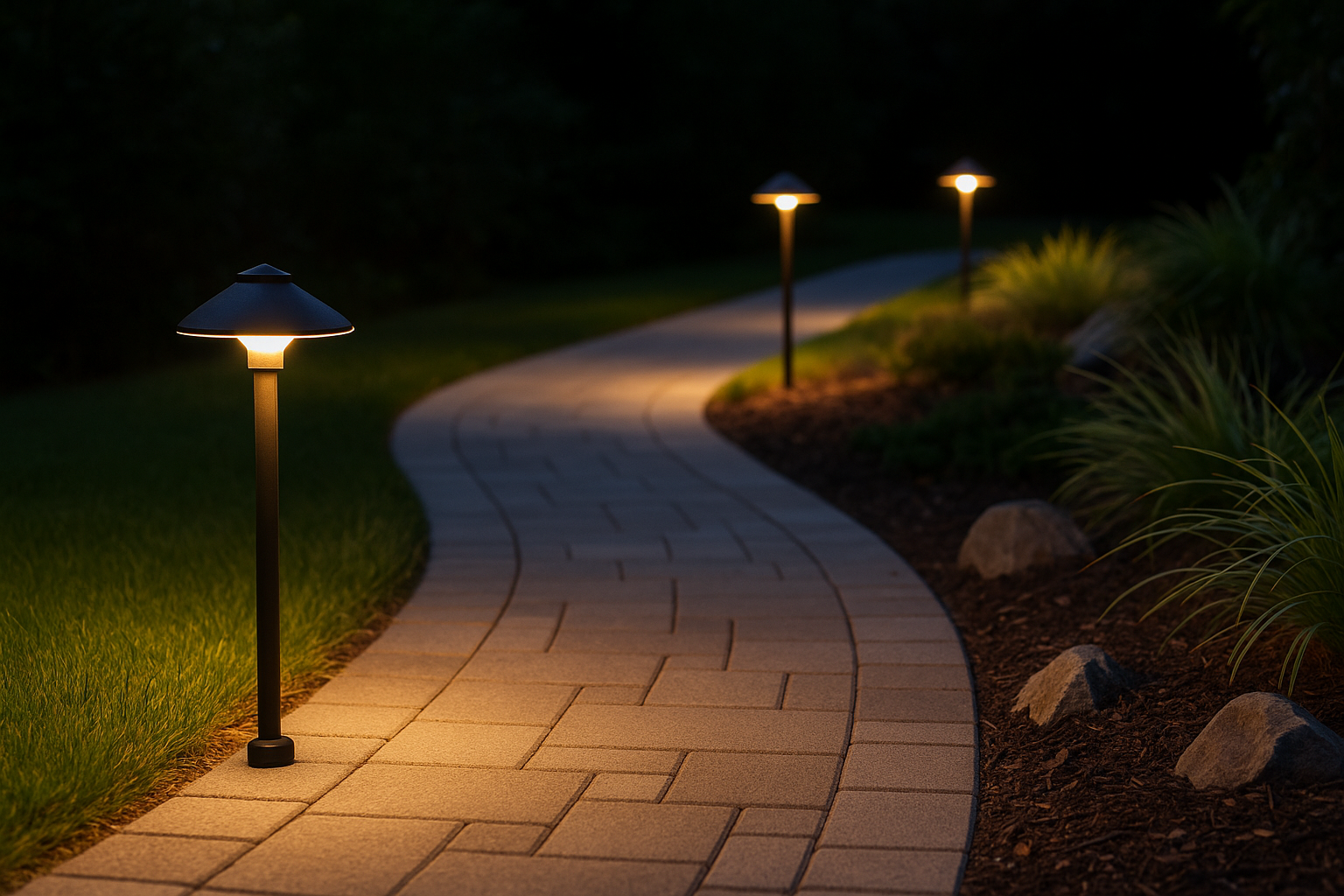
Pathway lighting is about more than aesthetics. Well-planned pathway lights improve safety by illuminating steps, edges, and obstacles, extend outdoor living hours, and boost curb appeal. Whether you want a subtle glow to guide guests to your front door or a bold design statement, the right lighting solution balances function, efficiency, and style.
Types of pathway lighting
Choosing the right type of pathway lighting depends on your budget, goals, and how hands-on you want to be with installation and maintenance. Here are the most common and effective options.
Solar pathway lights
Solar lights are easy to install—no wiring required. Each fixture charges during the day and lights up automatically at dusk. They’re ideal for eco-conscious homeowners and temporary layouts. Modern solar fixtures offer improved battery life and brighter LEDs, but performance varies by sun exposure and battery quality.
Low-voltage LED lighting
Low-voltage systems (typically 12V) provide consistent brightness and are energy-efficient when paired with LEDs. They require a transformer and basic wiring, but installation is straightforward for a DIYer. Low-voltage lights are a popular choice because they strike a balance between brightness, safety, and cost.
Hardwired (line-voltage) lighting
Line-voltage pathway lights (120V) are brighter and better for large properties or long runs. These systems usually require professional installation due to electrical codes and safety concerns. They’re durable and great for commercial applications or homeowners wanting powerful, long-lasting illumination.
Bollard and post lights
Bollard lights are short posts that create an architectural look. They deliver even, downward light that’s excellent for wide walkways and driveways. Choose materials and finishes that match your home exterior for a cohesive design.
In-ground and recessed lights
Recessed fixtures are installed flush with the surface—perfect for clean lines and minimal visual impact. They’re great for borders, stairs, and areas where above-ground fixtures would obstruct movement or aesthetics.
Design tips and placement
Good design turns pathway lighting from functional to captivating. These tips help create an inviting outdoor environment.
Spacing and height
- Place fixtures 6–10 feet apart for consistent illumination (closer spacing for narrow walkways).
- Lower fixtures (6–18 inches high) create gentle guidance, while bollards provide broader light distribution.
Layering and color temperature
Combine pathway lights with step lights, wall sconces, and uplights for layered depth. Choose color temperature thoughtfully: warm white (2700K–3000K) feels inviting and complements traditional landscapes, while cooler whites (3500K–4000K) give a contemporary crispness.
Safety and glare control
Position fixtures to avoid shining directly into eyes. Use shields, directional fixtures, and downward-facing lights to reduce glare and light trespass. Ensure steps and level changes are highlighted with dedicated step lights or well-placed fixtures.
Energy efficiency and maintenance
Energy-efficient fixtures save money and reduce environmental impact. LEDs and solar options are leading choices, but proper maintenance keeps any system performing well.
Bulb choices and wattage
LEDs use far less energy and last much longer than incandescent bulbs. For pathway lighting, look for LEDs rated for outdoor use with color-rendering index (CRI) above 80 for natural color reproduction. Low wattages (3–7W LEDs) are usually sufficient because of their brightness.
Smart controls and sensors
Timers, motion sensors, and smart home integration add convenience and efficiency. Motion-activated pathway lights provide added security and extend bulb life by only turning on when needed. Dusk-to-dawn sensors maintain consistent operation without manual effort.
Seasonal maintenance
Keep fixtures clean from leaves and debris to maintain brightness. For solar lights, periodically check and replace batteries every 2–4 years. Inspect wiring and connections on low-voltage and hardwired systems annually.
Budgeting and installation options
Pathway lighting can fit many budgets. Decide early whether you’ll DIY or hire a pro—each has trade-offs.
DIY vs professional
Solar and many low-voltage installations are very DIY-friendly, with plug-and-play components and clear instructions. For hardwired installations or complex landscape lighting designs, hiring a licensed electrician or lighting professional ensures safety and code compliance.
Typical costs
Costs vary widely: basic solar lights can start under $20 per fixture, low-voltage fixtures range from $40–$150 each, and professional hardwired systems with installation can reach several hundred dollars per fixture once labor and transformer costs are included. Consider long-term energy savings and durability when comparing prices.
Conclusion
Pathway lighting enhances safety, aesthetics, and home value when chosen and installed thoughtfully. Start by assessing your goals—budget, brightness, and design—and choose the type of lighting that best fits your property. Whether you go solar for simplicity or hardwired LED for power and longevity, a well-planned layout will keep your walkways welcoming and safe year-round.