
Natural Pond Landscaping: A Practical Guide to a Beautiful, Wildlife-Friendly Water Feature
Introduction to Natural Pond Landscaping
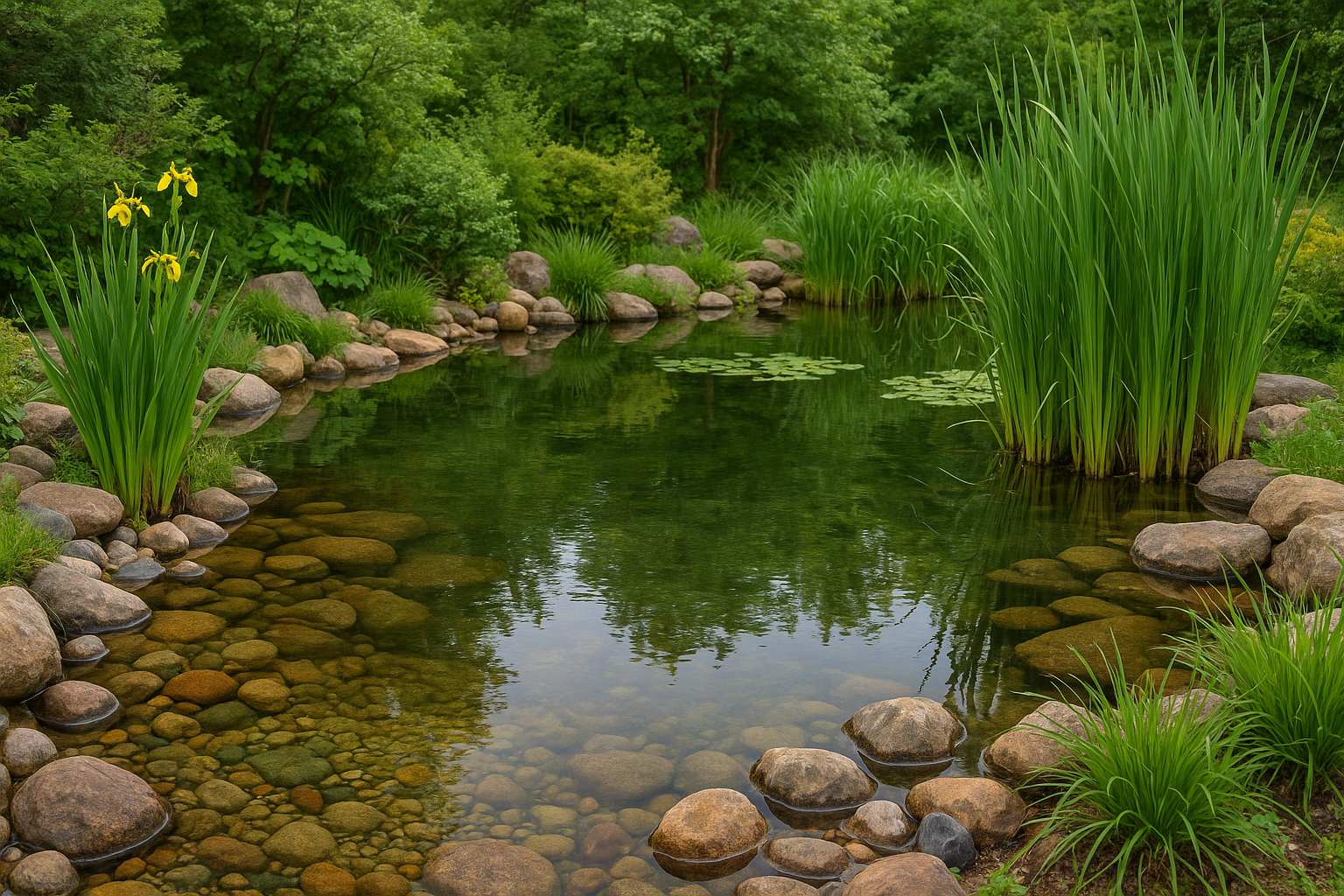
Natural pond landscaping is all about creating a water feature that looks like it belongs in your yard—not dropped in from a catalog. Instead of sharp edges, bright liners, and overly manicured plantings, a natural pond blends into the surrounding landscape with layered plant zones, rock and gravel transitions, and habitat features that support birds, pollinators, frogs, and beneficial insects.
The goal isn’t perfection; it’s balance. With the right design choices, a natural pond can stay clearer, require fewer chemicals, and become a calming focal point that changes with the seasons.
Planning Your Natural Pond Design
Choose the Right Location
Where you place your pond has a huge impact on water quality and maintenance. Aim for a spot that gets 4–6 hours of sun daily—enough for aquatic plants to thrive, but not so much that algae takes over. Avoid low points where fertilizer-rich runoff flows in, and keep a reasonable distance from large trees (fallen leaves add nutrients and roots can complicate digging).
Also consider what you’ll see from common viewpoints: patios, kitchen windows, or a favorite garden bench. A natural pond is most enjoyable when it’s easy to admire.
Determine Pond Size, Shape, and Depth Zones
Natural-looking ponds usually have curved, irregular edges rather than perfect circles. Size matters too: larger ponds tend to be more stable because they warm up and cool down more slowly.
Plan for multiple depth zones to support different plants and wildlife:
- Shallow shelf (4–10 in): for marginal plants and a safe entry/exit for wildlife
- Mid-shelf (10–18 in): for a wider variety of aquatic plants
- Deep zone (24–36+ in): helps moderate temperature and discourages excessive weed growth
If you live in a cold climate and want fish to overwinter, you may need deeper sections based on your region’s frost depth.
Check Local Regulations and Safety Considerations
Before you dig, check local rules about fencing, electrical requirements for pumps, and setback distances. If you have children or frequent visitors, include safety features like gently sloped edges, shallow shelves, and clear sightlines from the house. Even small ponds deserve thoughtful planning.
Building a Natural Pond: Materials and Construction
Selecting a Liner and Underlayment
Most backyard natural ponds use a flexible liner. EPDM rubber liners are popular because they’re durable and adapt well to organic shapes. Always pair the liner with an underlayment (or thick geotextile fabric) to protect against punctures from stones and roots.
When sizing a liner, account for depth and overlap at the edges. It’s better to have extra liner to tuck and hide than to come up short.
Using Rocks, Gravel, and Boulders for a Natural Look
Stonework is what turns a basic pond into a naturalistic landscape feature. Use a mix of sizes:
- Large boulders to anchor corners and create focal points
- River rock to soften edges and mimic natural shorelines
- Gravel in shallow areas to create transitions and habitat
Avoid creating a uniform “ring of rocks.” Instead, cluster stones in some areas and leave other edges planted and softer. The most convincing ponds have variation.
Adding Water Circulation: Streams, Waterfalls, and Filters
Circulation helps prevent stagnant water and supports clearer conditions. A small stream or waterfall adds oxygen and sound, while a pump keeps water moving. For a more natural approach, consider a biological filter or a bog filter—a planted gravel bed that cleans water as it passes through.
If your goal is a low-maintenance, chemical-free pond, prioritize plants and beneficial bacteria over heavy reliance on mechanical filtration alone.
Choosing Plants for Natural Pond Landscaping
Marginal Plants for Pond Edges
Marginal plants live in shallow water and create that lush shoreline look. They also provide shelter for wildlife and help take up excess nutrients. Good options (depending on your region) include:
- Pickerel plant
- Arrowhead
- Blue flag iris
- Sedges and rushes
Use marginals to blur the pond’s edge so it feels integrated into the garden.
Floating and Submerged Plants for Water Clarity
To keep water clearer naturally, combine floating and submerged plants. Floating plants shade the water surface, reducing algae growth. Submerged oxygenators support healthy water chemistry and offer hiding places for tadpoles and small aquatic life.
Balance is key: too few plants can lead to green water, while too many can overcrowd the pond. A common guideline is to aim for 50–70% surface coverage in summer, adjusting based on sunlight and nutrient input.
Native Plants and Eco-Friendly Choices
Whenever possible, choose native aquatic plants suited to your climate. They’re generally hardier, support local wildlife, and integrate naturally with your landscape. Also, be cautious with invasive species—some popular pond plants spread aggressively and can become a problem beyond your yard.
Buy from reputable aquatic nurseries and never release pond plants into natural waterways.
Attracting Wildlife and Creating Habitat
Incorporating Logs, Stones, and Shallow Shelves
A natural pond becomes a mini ecosystem when it includes places for animals to rest, hide, and enter the water safely. Add:
- Shallow shelves for wading birds and amphibians
- Flat stones that warm in the sun for butterflies and dragonflies
- Partially submerged logs for basking and shelter
These features look authentic while making your pond more functional for wildlife.
Supporting Pollinators and Beneficial Insects
Dragonflies are one of the best “pond helpers” you can attract—they’re beautiful and they eat mosquitoes. Plant nectar-rich flowers nearby (think coneflower, bee balm, and native wildflowers) and include emergent pond plants that give dragonflies a place to perch.
Skip pesticides in the surrounding garden whenever you can. A natural pond thrives when the whole area is managed with a light touch.
Maintenance Tips for a Healthy Natural Pond
Seasonal Cleaning and Debris Control
Natural ponds still need occasional upkeep, but it doesn’t have to be intense. In fall, use a net to remove leaves before they sink and decompose. In spring, trim back dead plant material and thin out fast-growing species. If you have trees overhead, a seasonal pond net can be a simple, effective solution.
Managing Algae Naturally
Algae usually points to too much sun, too many nutrients, or not enough plant coverage. To manage it naturally:
- Add more aquatic plants for shade and nutrient uptake
- Reduce runoff by avoiding fertilizer near the pond
- Improve circulation with a pump or waterfall
- Consider a bog filter for long-term clarity
In many cases, algae settles down as the pond matures and plants fill in.
Winterizing Your Pond
In colder climates, remove tender plants, cut back hardy marginals, and keep a small opening in the ice for gas exchange if the pond freezes. If you use a pump, follow manufacturer guidance—some systems run all winter, while others should be removed and stored. In milder climates, winter care is mostly about keeping debris under control and letting the pond rest.
Conclusion
Natural pond landscaping blends water, plants, and stone into a living feature that feels calm, authentic, and full of life. With smart planning, layered planting zones, and a few habitat-friendly details, you can build a pond that looks better each year—and becomes one of the most rewarding spots in your garden.