
Modern Walkway Landscaping: Design Ideas, Materials, and Practical Tips
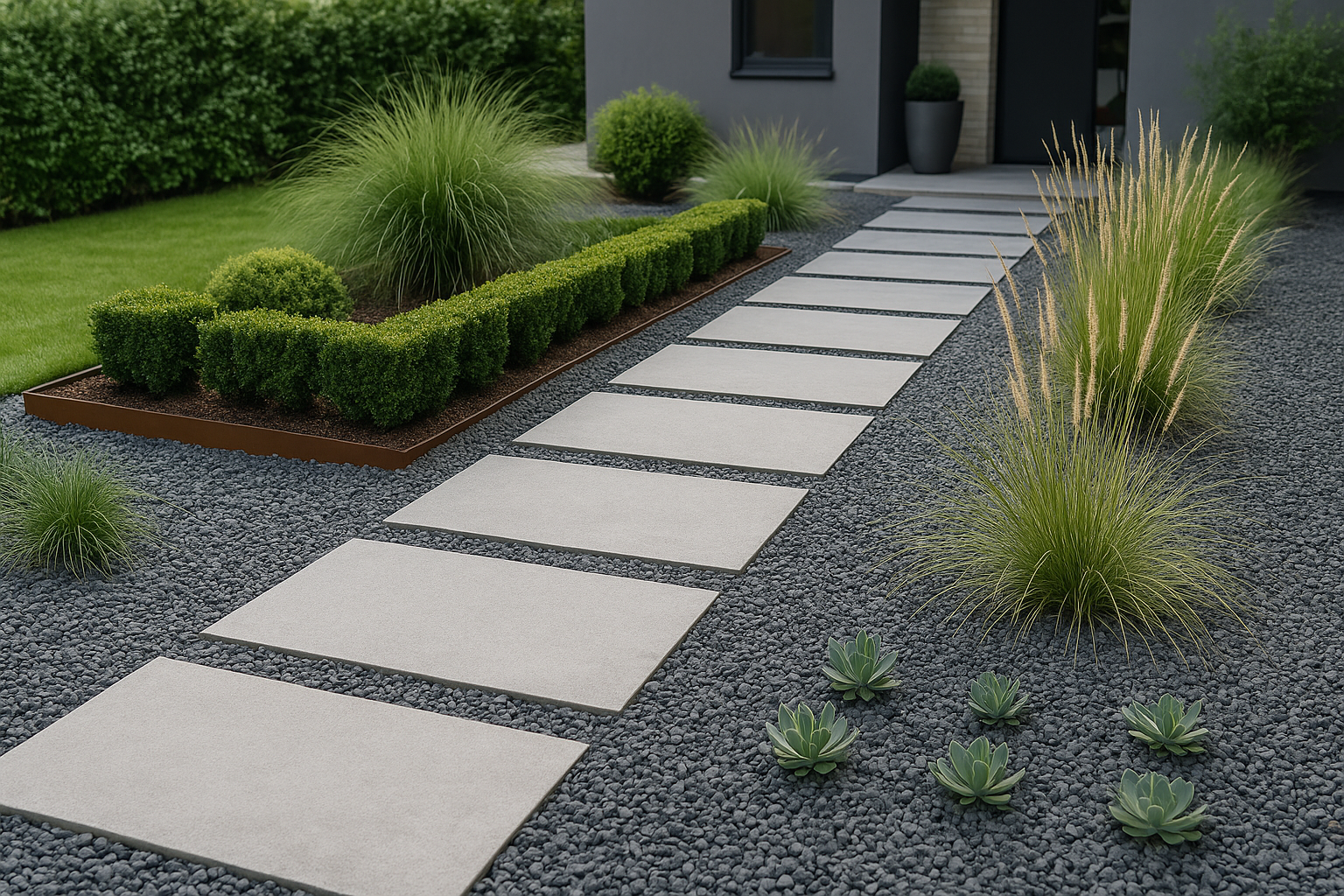
Modern Walkway Landscaping: Create a Stylish, Functional Path
Walkways are more than routes from point A to B — they’re design statements. Modern walkway landscaping blends clean lines, practical materials, and purposeful planting to create paths that welcome guests, complement architecture, and improve curb appeal. This guide covers design principles, materials, lighting, planting, maintenance, and budgeting so you can plan a contemporary walkway that looks great and performs well.
Design Principles for Modern Walkways
Start with a clear concept. Modern walkways emphasize simplicity, balance, and function. Keep these principles in mind:
- Clean lines and geometry: Straight runs, gentle curves, and geometric stepping stones create a modern aesthetic.
- Proportion and scale: Match the walkway width to the house and landscape. Typical widths are 3–4 feet for single paths, and 5–6 feet for primary entrances.
- Flow and sightlines: Design routes that feel natural and reveal the destination—avoid awkward turns or hidden trip hazards.
- Minimal clutter: Keep plantings and hardscape elements refined. One or two focal features work better than many competing elements.
Functional Considerations
Think beyond looks. Consider drainage, accessibility, and durability. Choose slip-resistant surfaces, allow for adequate slope to prevent pooling, and keep grades gentle for easy walking or wheelchair access.
Materials and Textures
The right materials define the walkway’s character. Modern landscaping favors natural tones, crisp edges, and mixed textures for visual interest.
Popular Material Choices
- Concrete: Versatile and budget-friendly. Use broom finishes, exposed aggregate, or large-format poured slabs for a sleek look.
- Pavers and natural stone: Offer precision and variety. Rectangular pavers laid in running bond or large slate/limestone slabs provide a contemporary feel.
- Gravel and decomposed granite: Casual and permeable. Border with metal or stone to keep edges neat.
- Wood and composite decking: Warm and linear. Great for raised walkways or transitions to patios.
- Stepping stones: Create rhythm and minimize impervious surface area. Space them according to stride for a comfortable walk.
Mixing Materials
Combine two or three materials to add contrast—stone steps set in gravel, concrete slabs with grass joints, or pavers framed by metal edging. Keep a restrained palette so the mix reads cohesive rather than busy.
Lighting and Safety
Lighting extends usability and enhances ambience. Choose fixtures that complement modern design: low-profile bollards, recessed step lights, or linear LED strips.
- Install path lighting every 6–8 feet on darker sites.
- Use warm white LEDs (2700K–3000K) for a welcoming glow.
- Illuminate changes in grade and intersections to prevent trips.
- Solar lights are easy to install, but wired low-voltage systems offer more consistent performance.
Planting Ideas for a Contemporary Look
Plant choices should reinforce clean lines and low-maintenance goals. Favor architectural shapes, restrained color palettes, and repetition for cohesion.
Plants That Work Well
- Ornamental grasses: Fountain grass, blue fescue, or carex add texture without fuss.
- Evergreen shrubs: Boxwood or dwarf conifers provide year-round structure.
- Perennials: Lavender, salvia, and echinacea offer seasonal color with minimal pruning.
- Groundcovers: Creeping thyme, mondo grass, or sedum soften edges and reduce weeds.
Use repetition—plant the same species along the path—to create rhythm and a cohesive, modern feel. Consider native plants for better resilience and lower water needs.
Maintenance Tips
Modern landscaping often aims for low upkeep. These tips keep your walkway looking fresh with minimal effort:
- Keep joints filled (sand, gravel, or polymeric sand) to prevent shifting pavers.
- Pressure-wash stone and concrete once a year to remove buildup.
- Trim back overhanging plants to keep the path clear and tidy.
- Check lighting and clean fixtures seasonally to maintain brightness.
Budgeting and Installation
Costs vary widely. Concrete and gravel are typically budget-friendly, while natural stone and custom designs cost more. Factor in base preparation (excavation, gravel, edging), drainage improvements, and labor.
- Get multiple quotes and ask for itemized costs.
- Consider a phased approach: install a primary path first, then add lighting or plantings later.
- DIY is feasible for simple gravel or stepping stone paths; hire professionals for large slabs, extensive grading, or electrical work.
Conclusion
Modern walkway landscaping combines function, simplicity, and thoughtful material choices to create attractive, durable paths. With a clear design concept, careful material selection, and attention to lighting and maintenance, you can build a walkway that enhances your home’s curb appeal and makes daily movement through your landscape a pleasure. Start small, prioritize the most important elements, and refine over time for the best results.