
March Landscaping Tips: Prep Your Yard for a Healthy Spring
Why March Matters for Landscaping
March is the pivot between winter dormancy and spring growth. Temperatures begin to rise, soil becomes workable in many regions, and early-season tasks will set the tone for your landscape all year. Tackle a few focused projects now and you’ll save time, money, and frustration as spring progresses.
Lawn Care in March
Clean Up and Assessment
Start by removing winter debris—branches, leaves, and dead annuals—from beds and turf. This improves airflow, reduces disease risk, and lets you clearly assess what needs attention. Avoid heavy foot traffic on soggy lawns to prevent soil compaction.
First Mow, Aeration, and Overseeding
If your lawn is dry enough, give it the first light mow of the year. Set your mower blade higher than usual—removing only the tips helps reduce stress. March is also a good time to aerate compacted soil in cool-season lawns and overseed bare patches while temperatures are still cool, helping new grass establish before summer heat.
Fertilization Timing
Hold off on heavy feed for warm-season grasses until soil temps consistently reach about 55–60°F. For cool-season lawns, a light application of slow-release nitrogen in early spring can help recovery, but always base fertilizer timing on your grass type and local climate.
Pruning and Tree Care
What to Prune
Prune back dead, diseased, or damaged branches from trees and shrubs. Remove crossing branches to improve structure and airflow. However, avoid pruning spring-flowering shrubs (like lilac or forsythia) until after they bloom—pruning now would remove the flower buds.
Protect Budding Trees and Inspect for Damage
Check young trees for winter damage, loose stakes, or girdling ties. Repair torn bark with a clean cut and treat only as needed. If deer or rodents are a problem in your area, consider protective wraps for vulnerable trunks.
Soil and Garden Beds
Soil Testing and Amendments
Take a soil test this month if you haven’t in the last 2–3 years. Soil test results guide lime or sulfur applications to correct pH and help you choose the right fertilizer. Adding compost to beds improves texture, drainage, and nutrient holding capacity.
Mulching Tips
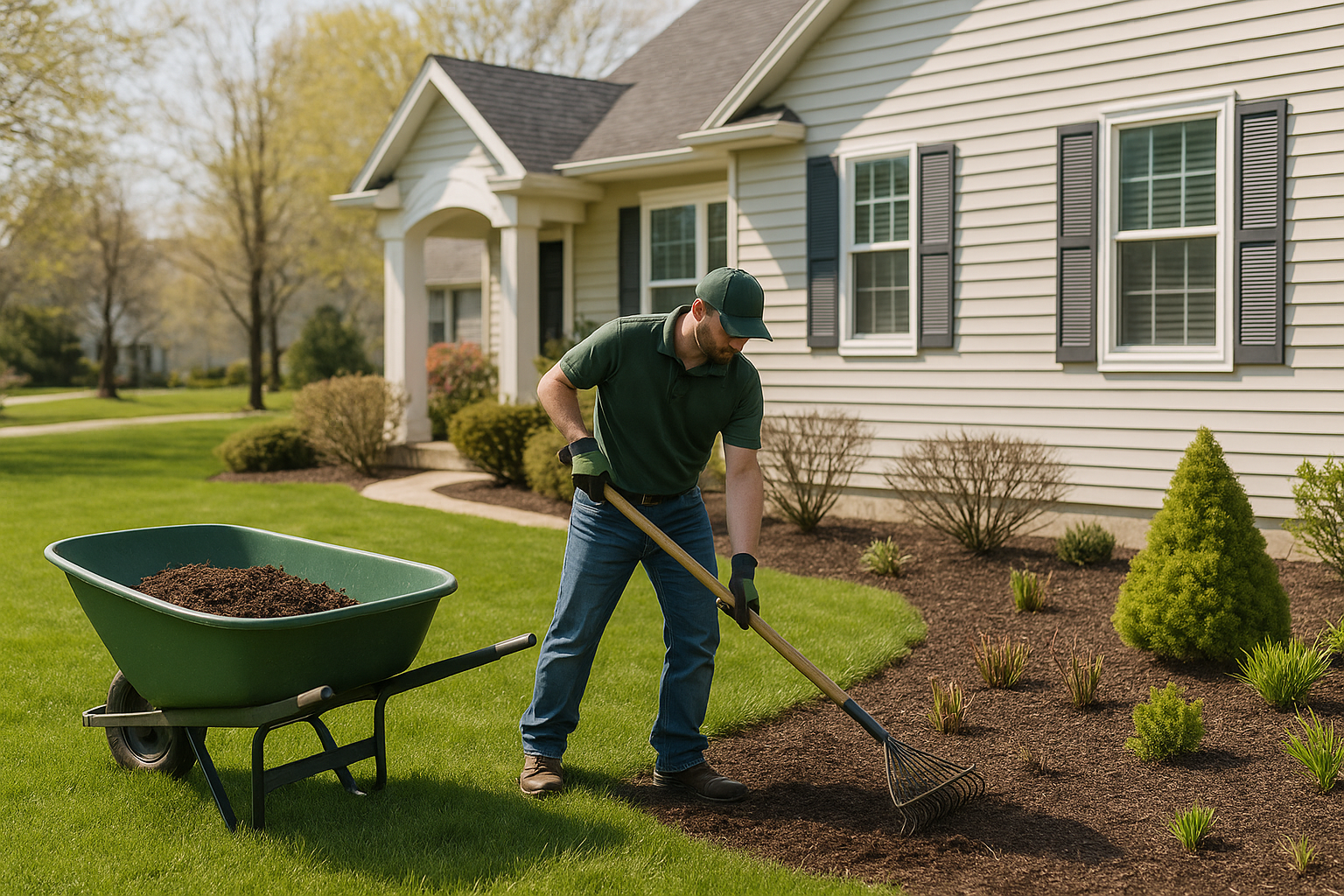
Refresh mulch in beds once soil has warmed slightly. Apply a 2–3 inch layer, keeping mulch a few inches away from plant stems and trunks to prevent moisture-related rot. Mulch helps suppress weeds and conserves soil moisture as temperatures climb.
Planting Suggestions for March
Cool-Season Vegetables and Annuals
March is ideal for sowing cool-season crops like peas, spinach, lettuce, kale, and radishes. Start seeds indoors for later transplants, or direct sow where the ground is workable. Cool-season annual flowers such as pansies and snapdragons also do well now.
Bulbs and Perennials
Plant summer-blooming bulbs like dahlias and tuberous begonias once the threat of hard frost has passed. Divide overgrown perennials this month to rejuvenate plants and increase your stock—do it before heavy new growth begins.
Hardscaping and Maintenance
Paths, Patios, and Edging
Inspect walkways and patios for winter heaving, loose stones, or cracked pavers. Re-seat edging and refill joints with sand or gravel as needed. Tighten deck railings and check for rot or loose boards before the seasonal entertaining begins.
Irrigation System Checks
Before turning irrigation systems on, inspect heads for winter damage, clean filters, and test for leaks. Run a quick cycle to ensure even coverage and adjust timers to match shifting daylight and cooler nights in early spring.
Pest and Disease Prevention
Early intervention reduces summer headaches. Apply pre-emergent herbicides before soil temps reach 55°F if you’re trying to prevent crabgrass, and remove any overwintering debris where pests and fungal spores hide. Scout for signs of scale, aphids, or vole activity and treat appropriately—often mechanical or cultural controls work well in March.
Planning and Design Tips
Use March’s calmer pace to plan larger projects—new planting beds, a drip irrigation system, or a patio redo. Sketch ideas, measure spaces, and source materials. Planning now gives you time to order plants and hire contractors before the busy season.
Quick Checklist for March
- Remove debris and assess landscape damage
- Lightly mow and avoid compacting wet lawns
- Soil test and add compost if needed
- Prune dead branches; delay flowering shrub cuts
- Overseed and aerate cool-season lawns
- Refresh mulch (2–3 inches) and protect trunks
- Start cool-season vegetables; plan summer plantings
- Inspect irrigation and hardscaping
Conclusion
March is the month to set your landscape up for success. With a few hours of cleanup, assessment, and thoughtful planning you’ll reduce problems later and enjoy a fuller, healthier garden come spring. Start small, prioritize tasks by urgency, and you’ll see big improvements as the season unfolds.