
Low Maintenance Landscape Design: Smart, Attractive, and Easy to Care For
Introduction: Why Choose Low Maintenance Landscape Design?
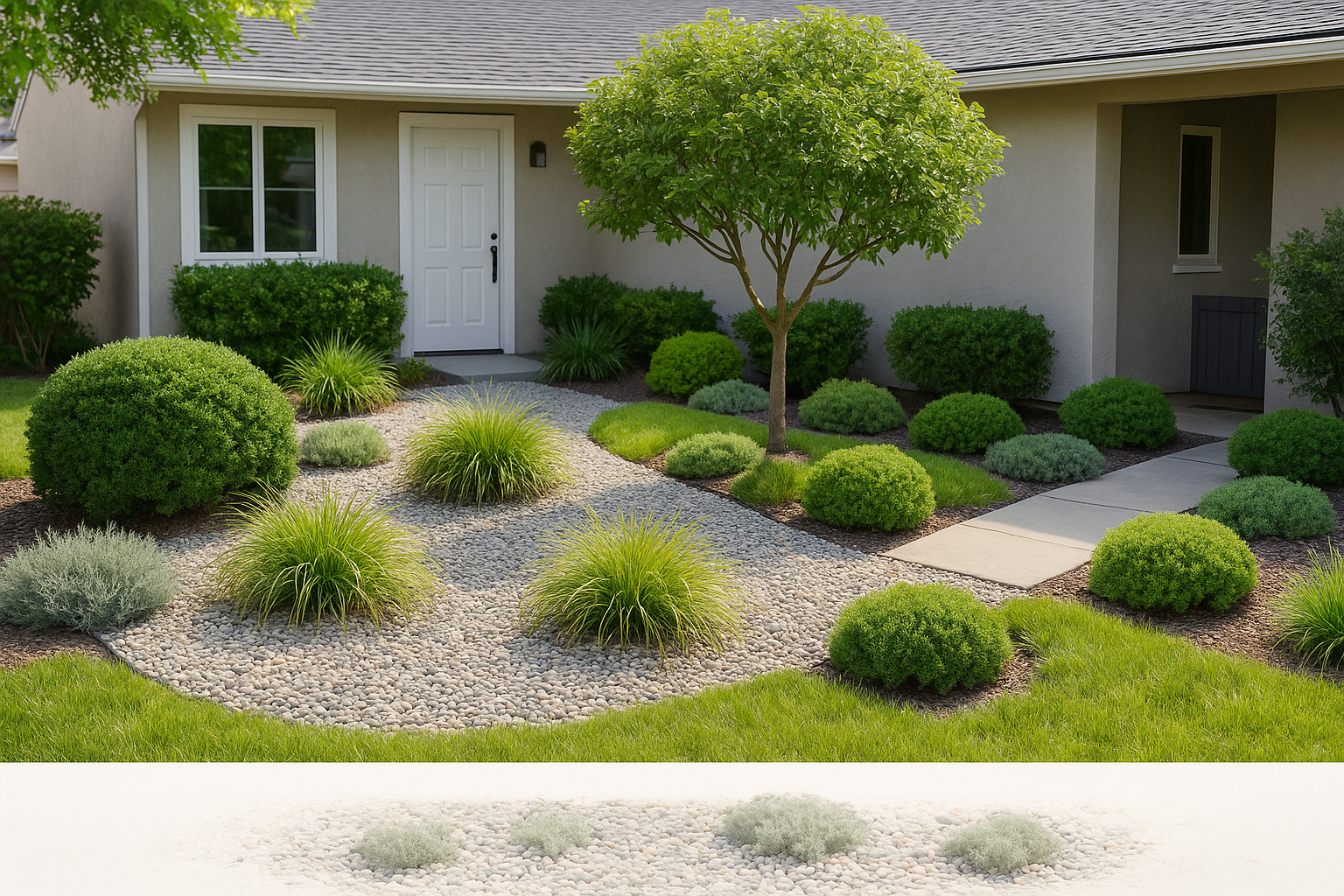
Want a yard that looks great without spending weekends on chores? Low maintenance landscape design focuses on smart planning, durable materials, and plant choices that thrive with minimal care. Whether you’re a busy homeowner, a frequent traveler, or someone who simply prefers enjoying the outdoors to working in it, a thoughtful low-maintenance landscape can save time, money, and stress while boosting curb appeal.
Benefits of a Low Maintenance Landscape
Save Time and Money
Less frequent watering, pruning, and replacement of plants reduce both water bills and maintenance costs. Over time, investing in the right materials and plants pays off with fewer purchases and less labor.
Environmentally Friendly
Using native and drought-tolerant plants, efficient irrigation, and mulch supports local ecosystems and conserves water. Low maintenance doesn’t mean low impact—done well, it can be very eco-friendly.
Consistent Curb Appeal
A well-designed low-maintenance yard maintains an attractive, tidy appearance year-round, increasing property value and neighborhood appeal without constant upkeep.
Planning Your Low Maintenance Landscape
Assess Your Site
Start with a site analysis: observe sun exposure, soil type, drainage, wind patterns, and existing trees. Accurate observations let you match plants and hardscape to conditions, avoiding problem areas later.
Define Purpose and Zones
Decide how you’ll use the space—entertaining, play, relaxation, or as a habitat garden. Create functional zones (entertaining patio, low-care lawn alternative, planting beds) and design transitions that require little trimming or edge work.
Pick a Cohesive Style
Simplicity is your friend. Choose a limited palette of materials and plants for a cohesive look that’s easier to maintain. Repetition of colors and textures reduces visual clutter and simplifies plant care.
Smart Plant Selection
Choose Native and Drought-Tolerant Plants
Native plants are adapted to local conditions and typically need less water and fewer inputs. Drought-tolerant species cut irrigation needs dramatically, especially once established.
Opt for Low-Maintenance Trees and Shrubs
Select slow-growing trees and disease-resistant shrubs to reduce pruning frequency. Evergreens and multi-season interest plants (berries, interesting bark, seed pods) keep the yard attractive year-round.
Use Groundcovers and Mulch
Groundcovers replace high-maintenance turf in many areas and suppress weeds. Organic mulch conserves moisture, moderates soil temperature, and reduces weeding and watering needs.
Hardscaping and Materials
Minimal Lawn or Smart Alternatives
Lawns are labor-intensive. Consider alternatives like native meadow, ornamental grasses, gravel, or an engineered turf that demands far less mowing and water.
Durable, Low-Upkeep Materials
Choose materials that hold up: permeable pavers, decomposed granite, natural stone, and composite decking require less repair and cleaning than softer, high-maintenance options.
Efficient Irrigation
Drip irrigation and smart controllers deliver water where and when it’s needed, reducing waste. Group plants with similar water needs to simplify scheduling.
Maintenance Routines That Save Effort
Seasonal Tasks
Set up a short seasonal checklist: spring mulching and pruning, summer watering and monitoring, fall cleanup and soil amendments, and minimal winter protection. A predictable routine prevents small issues from becoming big ones.
Focus on Prevention
Good soil health, proper plant placement, and timely mulch are preventative measures that cut down on pests, diseases, and extra work later.
Hire Help Strategically
If you prefer not to do any upkeep, consider quarterly professional maintenance rather than weekly visits. Professionals can handle pruning, seasonal mulching, and irrigation checks efficiently.
Common Mistakes to Avoid
Ignoring Mature Size
Planting without accounting for mature size leads to overcrowding and constant pruning. Always choose plants that fit the intended space at maturity.
Overwatering Water-Wise Plants
Drought-tolerant species often suffer from too much water. Group plants by water needs and avoid blanket irrigation schedules.
Too Many Small, High-Maintenance Beds
Hundreds of tiny beds equal more edging, mulching, and weeding. Consolidate beds into larger, well-defined areas to reduce work.
Cost Considerations and Return on Investment
Initial costs for quality plants and durable materials can be higher, but reduced water bills, lower maintenance expenses, and increased property value create a strong long-term return. Prioritize investments that reduce recurring costs: irrigation upgrades, native plantings, and long-lasting hardscape.
Conclusion
Low maintenance landscape design is about thoughtful choices—site-aware planning, native and drought-tolerant plants, efficient irrigation, and durable materials. With a clear plan and a few smart investments, you can create a beautiful outdoor space that frees up your weekends and supports the environment. Start small, focus on cohesion, and enjoy a yard that works with your life, not against it.