
Landscaping Irrigation Systems: A Complete Guide to Smarter Watering
Introduction to Landscaping Irrigation Systems
A great landscape doesn’t happen by accident—and neither does consistent, healthy watering. Landscaping irrigation systems take the guesswork out of when and how much to water, helping lawns, garden beds, shrubs, and trees thrive with less waste. Whether you’re caring for a small backyard or managing a larger property, the right irrigation setup can save time, reduce water bills, and improve plant health.
In this guide, we’ll break down the most common types of irrigation systems, key components, design considerations, and maintenance best practices so you can make confident decisions for your yard.
Types of Landscaping Irrigation Systems
Not every yard needs the same watering approach. Soil type, plant selection, slope, sun exposure, and local water restrictions all influence which system performs best.
Sprinkler Systems
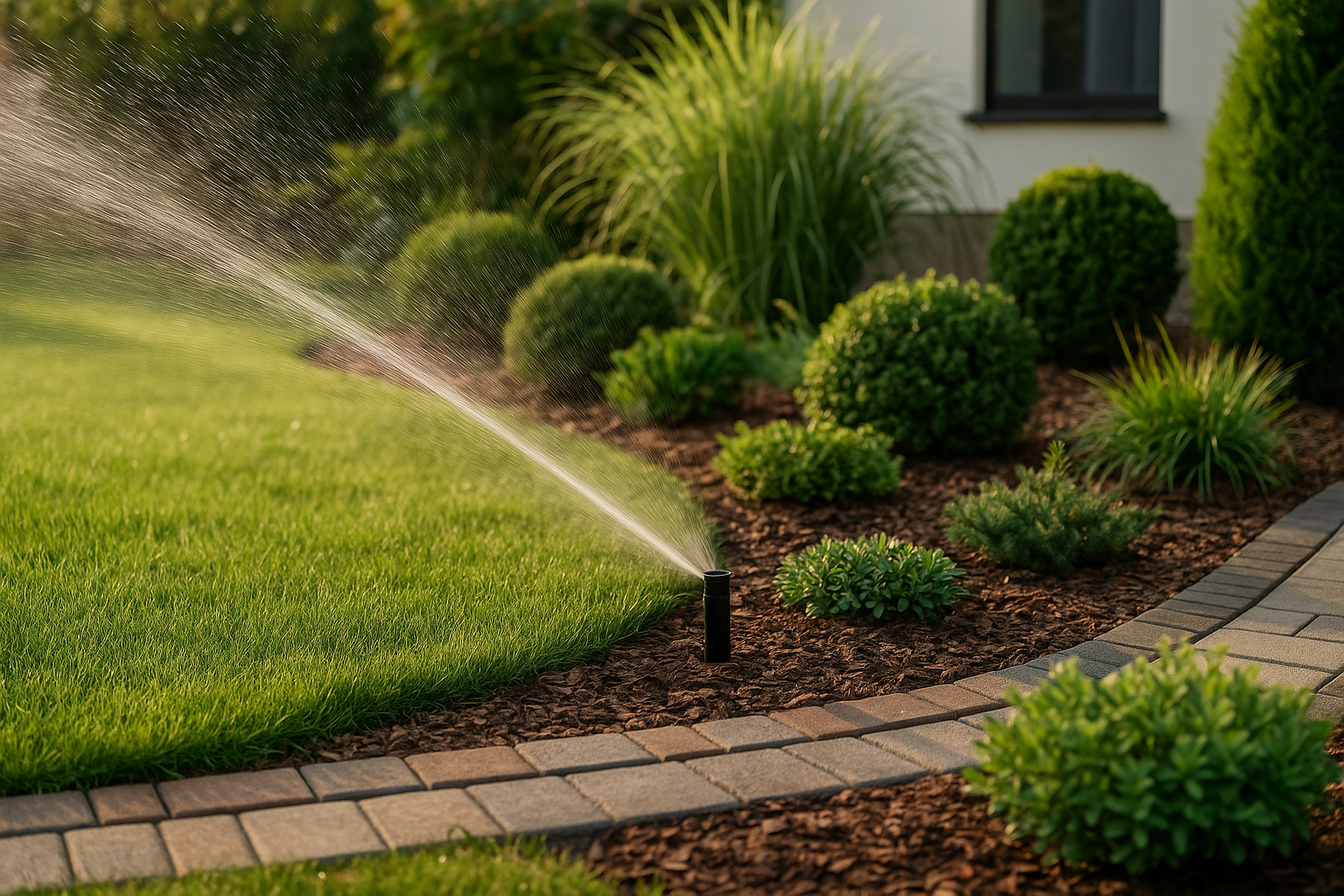
Traditional sprinkler systems are a popular choice for lawns and larger open areas. They distribute water through spray heads or rotating nozzles placed around the yard. Sprinklers can be installed above ground (hoses and portable sprinklers) or as an in-ground system with pop-up heads.
Best for: turfgrass, broad lawn coverage, and properties needing uniform watering.
Pros: convenient automation, strong coverage options, works well with timers and smart controllers.
Cons: can waste water in wind or heat, may overspray onto hardscapes, and can promote disease if watering late in the day.
Drip Irrigation
Drip irrigation delivers water slowly and directly to plant roots through tubing and emitters. Because it targets the soil rather than spraying the air, it’s one of the most water-efficient options available.
Best for: garden beds, shrubs, trees, hedges, and foundation plantings.
Pros: excellent water efficiency, reduced weed growth (less water between plants), fewer fungal issues on foliage.
Cons: emitters can clog without filtration, tubing can be damaged by UV exposure or gardening tools, and layout takes planning.
Soaker Hoses
Soaker hoses are a simple, budget-friendly variation of drip-style watering. They “weep” water along their length, saturating the soil nearby. They’re often used in garden beds and around shrubs.
Best for: small to medium beds, seasonal gardens, and DIY setups.
Pros: easy to install, inexpensive, good for tight spaces.
Cons: less precise than drip emitters, can water unevenly on slopes, shorter lifespan than professional drip tubing.
Smart Irrigation Controllers
Smart controllers are the “brains” of modern irrigation. Instead of running on a fixed schedule, they adjust watering based on weather data, soil moisture sensors, and seasonal conditions. Many models can be managed from a phone app.
Best for: homeowners who want convenience, efficiency, and better control over water use.
Pros: reduces overwatering, helps comply with watering restrictions, improves plant health through better scheduling.
Cons: higher upfront cost, requires Wi-Fi for full functionality, and needs correct setup to deliver the best results.
Key Components of an Irrigation System
Understanding the basic parts of an irrigation system makes it easier to compare quotes, troubleshoot issues, and maintain performance over time.
Water Source and Pressure Regulation
Your system may connect to municipal water, a well, or even a cistern (where allowed). Proper pressure is essential: too high can cause misting and wasted water; too low can leave dry patches. Pressure regulators and pressure-compensating emitters help keep watering consistent, especially for drip irrigation.
Piping, Valves, and Zones
In-ground systems use buried piping to deliver water to different areas of the landscape. These areas are organized into zones—groups of sprinklers or drip lines controlled by valves. Zoning matters because different plants have different needs. Lawns typically require different timing and volume than flower beds or mature trees.
Sprinkler Heads and Emitters
Sprinkler heads come in several styles, including fixed spray heads and rotor heads. Drip systems use emitters, micro-sprayers, or bubblers depending on the plant type and spacing. Matching the right output to your landscape prevents runoff and dry spots.
Timers, Sensors, and Backflow Prevention
Timers (controllers) automate watering schedules, while rain sensors and soil moisture sensors prevent watering when it’s not needed. Many regions also require backflow prevention devices to protect household drinking water from potential contamination. A licensed irrigation professional can confirm what your local code requires.
Designing an Efficient Irrigation Layout
A well-designed irrigation system isn’t just about adding more sprinklers—it’s about delivering the right amount of water, in the right way, to each part of your yard.
Assessing Landscape Needs
Start by identifying your plant types and their water requirements. Group plants with similar needs together (often called hydrozones). Also note slopes, shade patterns, and high-heat areas near driveways or walls. These factors affect how quickly soil dries out.
Choosing the Right System for Each Area
Many of the best irrigation setups are hybrids: sprinklers for turf areas and drip lines for beds. This approach increases efficiency and helps you fine-tune watering for healthier plants. If you’re updating an older system, retrofitting garden beds to drip can dramatically reduce water use.
Water Conservation Best Practices
To keep your system efficient, build these practices into the design:
- Use matched precipitation rate nozzles within the same zone for even watering.
- Water early in the morning to reduce evaporation and wind drift.
- Avoid overspray onto sidewalks and driveways by adjusting heads and using proper nozzles.
- Mulch garden beds to retain moisture and reduce watering frequency.
- Consider drip for shrubs and trees to target roots and reduce runoff.
Installation and Maintenance Tips
Even the best irrigation system needs occasional attention. A little maintenance goes a long way toward preventing leaks, poor coverage, and wasted water.
Professional vs DIY Installation
DIY kits can work well for small drip systems, raised beds, and straightforward yards. However, in-ground sprinkler installations often involve trenching, pipe sizing, zoning, backflow requirements, and local permits. If you’re working with a complex landscape, investing in professional design and installation can prevent costly mistakes and ensure proper coverage.
Seasonal Maintenance Checklist
Plan for a few seasonal tasks to keep everything running smoothly:
- Spring start-up: check for leaks, broken heads, clogged emitters, and misaligned spray patterns.
- Mid-season tune-up: adjust run times as temperatures rise; replace worn nozzles; clear filters on drip lines.
- Fall shutdown: in freezing climates, winterize lines (often with a blowout) to prevent burst pipes.
Common Problems and Troubleshooting
If your landscape shows dry spots or soggy areas, the cause is usually one of these common issues:
- Uneven coverage: head spacing is off, nozzles don’t match, or sprays are blocked by plants.
- Low pressure: a leak, a partially closed valve, or too many heads on one zone.
- High pressure misting: wastes water and can leave areas under-watered—add regulation where needed.
- Clogged drip emitters: improve filtration and periodically flush lines.
Conclusion
Landscaping irrigation systems are one of the best ways to keep your yard healthy while using water responsibly. By choosing the right type of system for each area, zoning thoughtfully, and keeping up with simple maintenance, you’ll get better growth, fewer headaches, and more consistent results all season long. If you’re unsure where to start, a professional irrigation audit or consultation can quickly highlight opportunities to improve efficiency and coverage.