
Landscape Drip Irrigation: A Complete Guide for Efficient, Healthy Gardens
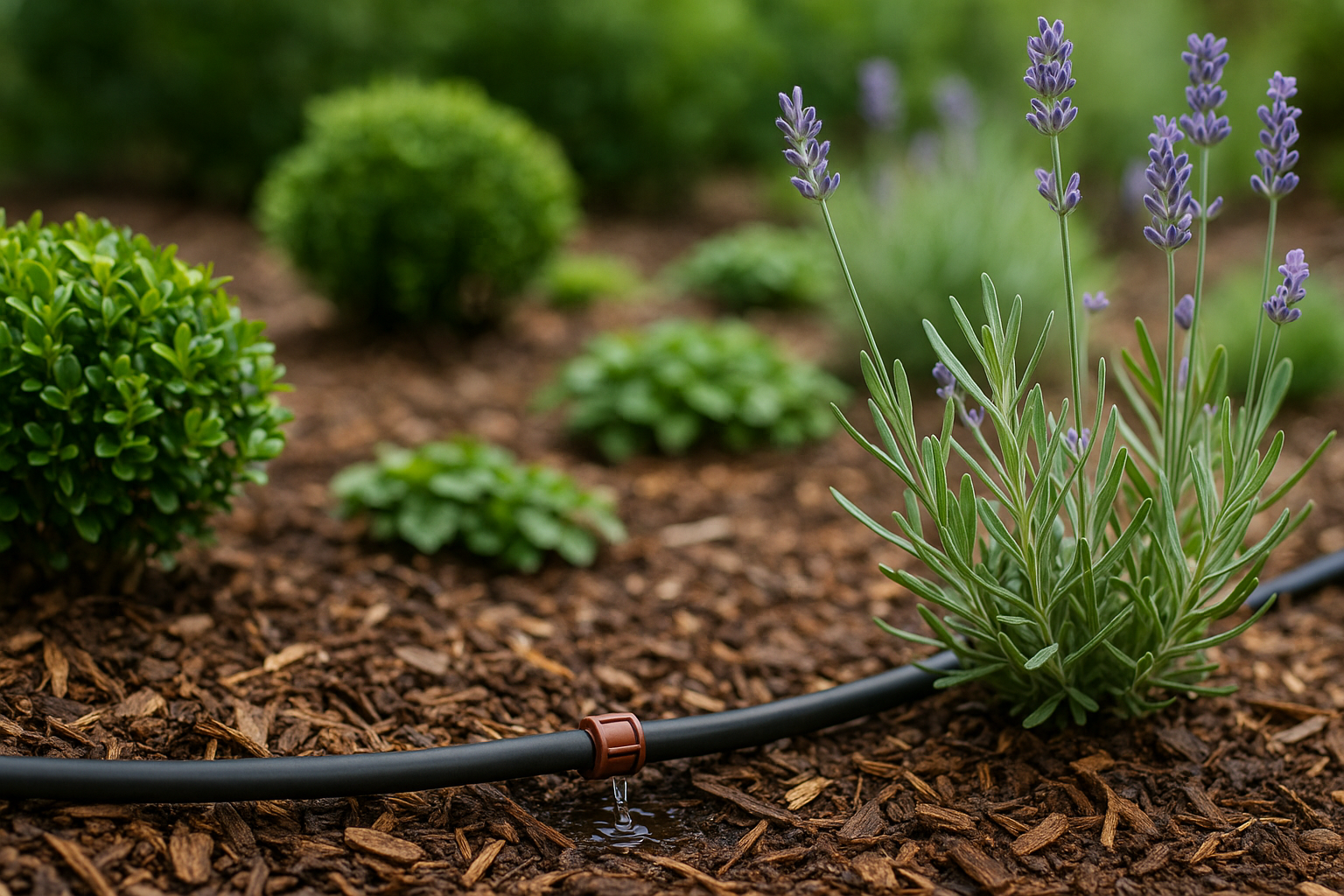
What Is Landscape Drip Irrigation?
Landscape drip irrigation is a low-pressure, low-volume watering method that delivers water directly to the root zone of plants through tubing and emitters. Unlike overhead sprinklers, drip systems reduce evaporation and runoff by releasing water slowly and precisely where plants need it most. For homeowners and landscapers looking to save water and improve plant health, drip irrigation is one of the smartest upgrades you can make.
How Drip Irrigation Works
Basic Components
- Main supply line (from your water source)
- Pressure regulator and filter
- Distribution tubing (typically 1/2″ or 3/4″)
- Emitter tubing or individual emitters
- End caps and flush valves
- Automatic controller (optional but highly recommended)
Flow and Pressure
Drip systems operate at lower pressures than sprinklers. Filters prevent clogging, and pressure regulators keep emitters delivering consistent flow. Emitters release water in gallons per hour (GPH), so you can match output to plant needs and zone your system accordingly.
Benefits of Landscape Drip Irrigation
- Water savings: Drip can use 30-70% less water than sprinklers.
- Healthier plants: Consistent moisture at roots reduces stress and disease.
- Reduced weed growth: Water focused at roots means fewer wet areas where weeds sprout.
- Flexibility: Works for beds, hedges, trees, and container gardens.
- Time savings: Automated timers make watering hands-free.
Designing a Drip System
Assess Your Landscape
Start by mapping your yard and identifying plant types, sun exposure, and soil type. Group plants with similar water needs together into zones; this ensures efficient use and prevents over- or under-watering.
Select Emitters and Layout
Choose emitters based on plant size and water needs. Small shrubs may need 1–2 GPH emitters, while larger trees benefit from multiple emitters spaced around the root zone. Use soaker-style tubing for dense beds and individual emitters for isolated plants.
Installation Basics
Step-by-Step Overview
- Turn off water and connect the filter and pressure regulator to your faucet or irrigation line.
- Run the main distribution tubing through your landscape, securing it with stakes.
- Install emitter tubing or punch in individual emitters where needed.
- Cap the ends and include a flush valve to clear debris.
- Test the system, adjust emitter placement, then cover tubing with mulch or soil for protection.
Tips for Success
- Install a timer to water at optimal times (early morning or late evening).
- Use a filter if your water is hard or has particulates.
- Keep tubing out of high-traffic areas or bury it shallowly under mulch.
Maintenance and Troubleshooting
Regular Checks
Inspect your system monthly for leaks, clogged emitters, or damaged tubing. Clean filters regularly and flush lines at least once per season. Replace any worn or chewed tubing if you have rodents or pets.
Common Issues
- Clogged emitters: Remove and soak in vinegar or replace.
- Uneven coverage: Adjust emitter flow or add additional emitters for thirsty plants.
- Low pressure: Check the regulator and look for leaks or blockages.
Watering Schedule and Best Practices
Rather than daily shallow watering, drip systems are best used for less frequent, deeper watering to encourage strong root growth. Adjust schedules seasonally and after heavy rain. Group plants by water needs, and consider soil type—sandy soils need more frequent cycles than clay soils.
Costs and Return on Investment
DIY drip kits can be affordable for small landscapes, while professionally installed systems cost more up front. Expect payback through lower water bills, healthier plants, and reduced maintenance. For many homeowners, savings start within a few years, especially in areas with high water costs.
Upgrades and Smart Options
Smart controllers, soil moisture sensors, and weather-based timers can further optimize water use. Integrating sensors helps the system skip cycles during rain or high humidity, delivering water precisely when plants need it.
Conclusion
Landscape drip irrigation is an efficient, plant-friendly way to water gardens and landscapes. With thoughtful design, simple maintenance, and a bit of seasonal tuning, you can cut water use, improve plant health, and save time. Whether you’re a weekend DIYer or planning a professional install, a drip system is a practical investment for sustainable, beautiful landscapes.