
Irrigation System Maintenance: Practical Tips to Keep Your Landscape Healthy Year-Round
Introduction
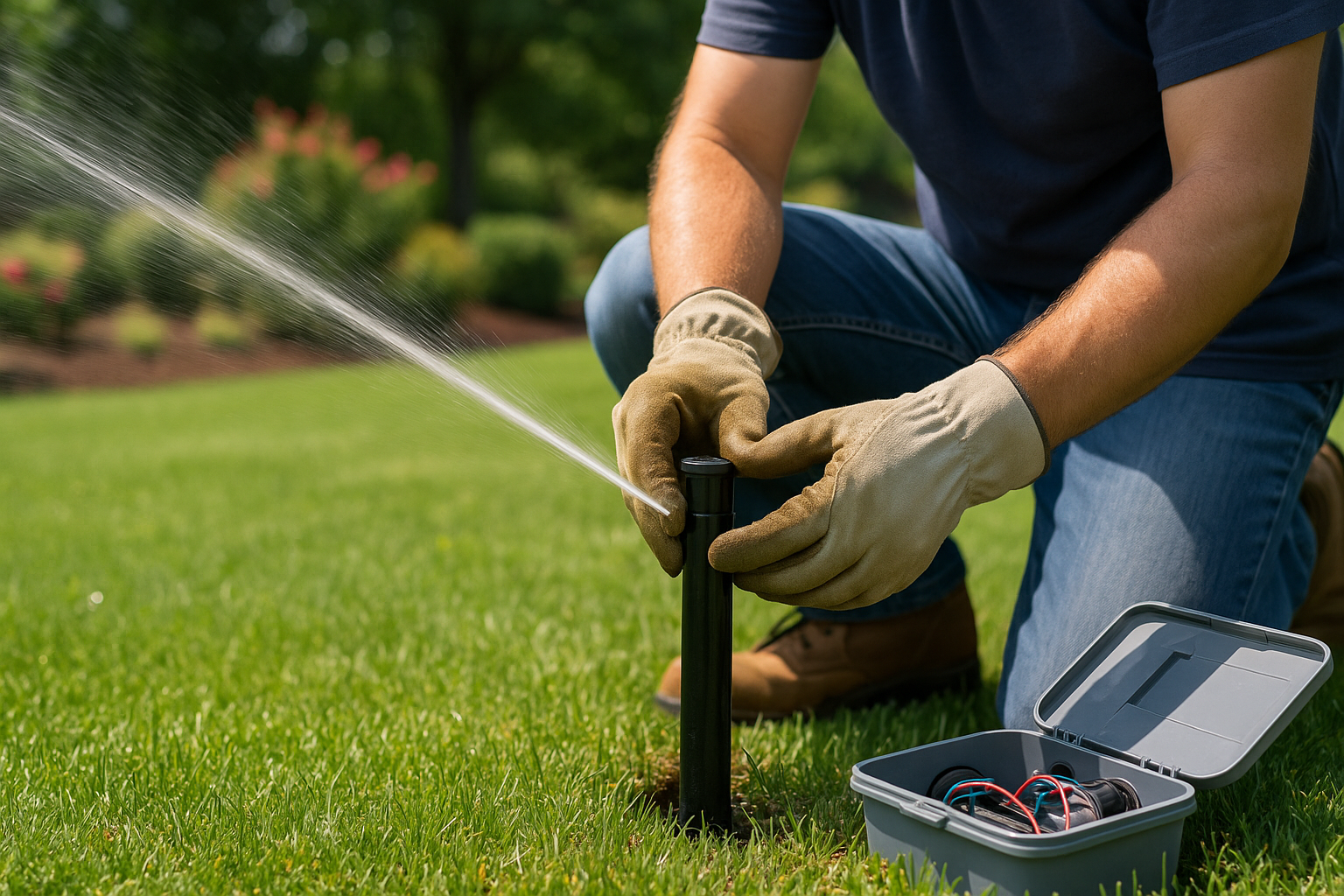
Well-maintained irrigation systems save water, prevent costly repairs, and keep lawns and gardens thriving. Whether you have a sprinkler system or drip irrigation, a regular maintenance routine will extend the life of your equipment and improve efficiency. This guide walks through seasonal checklists, routine tasks, component inspections, troubleshooting, and smart water-saving tips.
Why Regular Irrigation Maintenance Matters
Ignoring your irrigation system often leads to uneven coverage, wasted water, and expensive repairs. Routine maintenance helps catch small issues—like a leaking valve or clogged nozzle—before they escalate. It also ensures your landscape receives the right amount of water at the right time, which supports plant health and reduces runoff.
Seasonal Maintenance Checklist
Spring Startup
- Visually inspect all sprinkler heads and drip lines for damage, pests, or blockages.
- Turn the system on and check each zone for even coverage and pressure.
- Replace worn nozzles, clean filters, and test the backflow prevention device if applicable.
- Reset the controller schedule for current seasonal needs—avoid overwatering as temperatures rise.
Summer Care
- Monitor for leaks and wet spots that indicate broken pipes or leaking valves.
- Check timers and sensors (rain sensors, soil moisture sensors) regularly to avoid unnecessary runs.
- Adjust run times based on weather—mornings are typically best to reduce evaporation.
Fall Preparation
- Reduce run times as temperatures cool; remove seasonal plants from watering zones if needed.
- Clean and store any detachable parts, and clear debris from heads and filters.
- Schedule a professional backflow test if required by local codes.
Winterization
- Blow out irrigation lines with compressed air (or hire a professional) to prevent freeze damage in cold climates.
- Shut off and drain above-ground components and cover exposed valves and controllers where necessary.
- Remove batteries from controllers if they won’t be used over winter.
Routine Tasks: Weekly, Monthly, and Annual
Weekly
- Quick visual walk-through while the system runs to spot misaligned heads or puddling.
- Check controller display for error messages or odd program changes.
Monthly
- Clean or replace filters and debris screens.
- Inspect drip emitters and lines for clogs; flush lines if necessary.
Annual
- Have a licensed technician perform backflow prevention device testing if required.
- Perform a full system audit—water pressure checks, zone uniformity tests, and lateral line inspections.
Key Components to Inspect
Controllers and Timers
Verify that programs are set for current plant needs. Replace worn batteries and keep the controller sheltered from extreme weather to prolong life.
Valves and Pipes
Look for leaks, soggy areas, or hissing sounds that indicate failing valves or cracked pipes. Replace or repair promptly to prevent water loss.
Sprinkler Heads and Nozzles
Check alignment, clean nozzles, and swap out worn spray patterns. Properly positioned heads prevent overspray onto sidewalks and driveways.
Drip Systems
Inspect emitters for clogging, and ensure tubing is intact and secured. Periodic flushing and use of inline filters will keep a drip system working well.
Backflow Prevention
Backflow devices protect potable water and often require annual inspection. Follow local regulations and keep records of testing and service.
Troubleshooting Common Problems
- Uneven Coverage: Check nozzle type, pressure, and head alignment.
- Low Pressure: Inspect for leaks, clogged filters, or partially closed valves.
- Constantly Running Zone: Look for stuck valves or broken wires at solenoids.
- Frequent Valve Failure: Check for debris in the valve box or poor water quality causing wear.
Water-Saving Tips
- Install a smart controller that adjusts schedules based on weather or soil moisture.
- Group plants by water needs (hydrozoning) to avoid overwatering drought-tolerant species.
- Use drip irrigation for beds and container plants—it delivers water directly to roots with minimal loss.
- Apply mulch around plants to retain soil moisture and reduce run times.
When to Call a Professional
DIY maintenance covers most small tasks, but call a licensed irrigation specialist for complex issues like repeated low pressure, underground pipe replacement, complex controller wiring, or if local code requires professional backflow testing. A pro can also perform a system audit to optimize efficiency.
Essential Tools and Supplies
- Small shovel or bulb auger for exposing heads
- Nozzle cleaning tools and replacement nozzles
- Filter cartridges and inline strainers
- Controller batteries and weatherproof cover
- Compressed air access for safe winter blowouts (or hire a pro)
Conclusion
Regular irrigation system maintenance prevents waste, reduces repair costs, and keeps your landscape healthy. A few simple checks each season—combined with smart upgrades like controllers or drip lines—go a long way toward efficient watering. When in doubt, consult a licensed technician to protect your investment and ensure safe operation.