
Garden Lighting Tips to Transform Your Outdoor Space
Why garden lighting matters
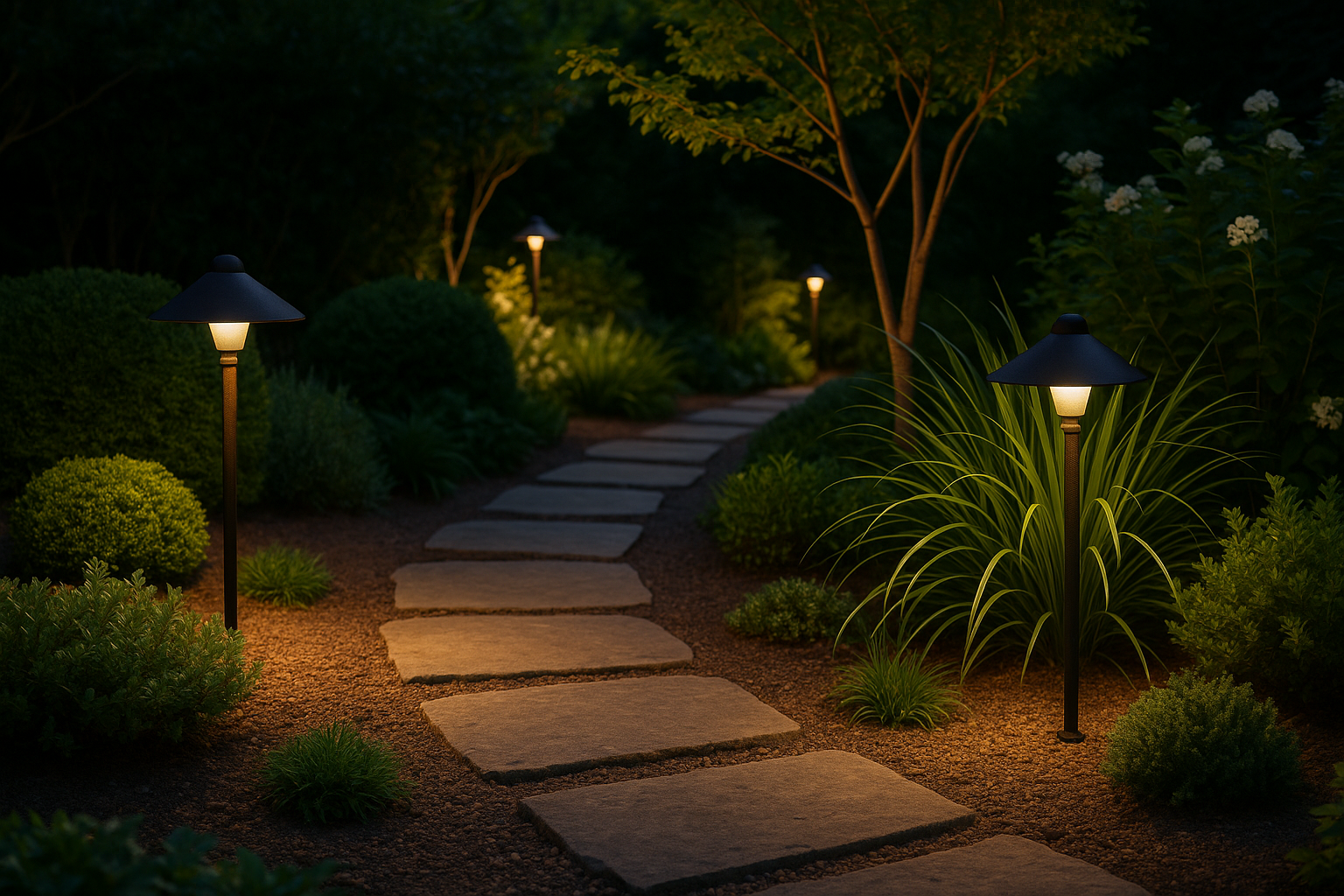
Good garden lighting does more than just keep your yard visible after dark. It creates atmosphere, highlights focal points, improves safety, and extends the hours you can enjoy your outdoor space. With careful planning and the right fixtures, you can turn an ordinary garden into an inviting nighttime landscape.
Plan your lighting
Define your purpose
Start by deciding what you want from your lighting. Are you aiming for ambiance for evening dinners, practical safety along paths and steps, or dramatic accent lighting for a specimen tree or sculpture? Different goals need different fixtures and placement.
Map your garden
Walk the yard at night and during the day, and sketch a simple plan of paths, seating areas, steps, water features, and planting beds. Mark potential light locations and note power sources. Testing with a flashlight or portable lamp can help visualize effects before installation.
Choose focal points
Pick 2–4 focal points to feature with accent lighting, such as a textured tree trunk, a pond, a dining area, or an architectural element. Too many focal points dilute the effect; fewer well-lit highlights make a stronger statement.
Types of garden lights
Path lights
Low posts or stake lights guide movement and define walkways. They provide soft, diffused illumination but are not for dramatic highlighting. Space them evenly and aim for consistent brightness.
Spotlights and well lights
Spotlights are great for uplighting trees or revealing architectural detail. Well lights are recessed into paving and can create subtle uplighting effects without visible fixtures.
Step and deck lights
Recessed step lights improve safety on stairs and decks while adding a modern look. Use warm LEDs and position lights to avoid glare and backlighting.
String lights, lanterns, and pendants
String lights and lanterns are perfect for ambiance over seating or dining areas. They add charm and scale but work best combined with task and accent lighting.
Solar vs low-voltage vs mains
Solar is easy and cable-free but offers variable brightness. Low-voltage (12V) systems are popular for DIY projects and are safer than mains. Hardwired mains provide the most power and control but usually require a qualified electrician.
Design techniques and effects
Layer your light
Think in layers: ambient lighting for overall brightness, task lighting for specific activities (grill, table), and accent lighting to highlight features. Layering creates depth and a comfortable evening atmosphere.
Uplighting and downlighting
Uplighting at the base of trees or walls makes dramatic silhouettes. Downlighting from branches or rooflines mimics moonlight for a soft, natural effect and reduces harsh shadows.
Silhouetting and shadowing
Place lights in front of an object to create a silhouette, or use a focused light behind a sculptural plant to cast artistic shadows on a wall. These techniques add mystery and visual interest.
Use warm color temperatures
Warm white LEDs in the 2700K to 3000K range feel inviting and work best with natural materials and plants. Avoid very cool white lights, which can appear harsh in a garden setting.
Practical installation tips
Spacing and aiming
As a rule of thumb, space path lights about 6–8 feet apart for even coverage. For uplights, place fixtures 1 to 1.5 times the tree trunk diameter away to properly illuminate the canopy. Always test angles before fixing fixtures permanently.
Minimize glare
Hide fixtures behind planting or under eaves when possible, and use shields or narrow beam angles to keep light off neighbors and avoid shining into windows.
Smart controls and timers
Install timers, photo sensors, or smart controllers to automate schedules and create scenes. Dimmers and multi-zone control let you lower intensity for quiet evenings or increase it for gatherings.
Energy, safety, and maintenance
Choose energy-efficient LEDs
LEDs use far less energy and last much longer than incandescent bulbs. Look at lumens, not watts, when comparing brightness, and choose fixtures with good heat dissipation for longevity.
Check IP ratings and electrical safety
Outdoor fixtures should have appropriate waterproofing; IP65 or higher is a good target for exposed locations. For mains-connected systems, use GFCI protection and consider hiring an electrician for compliance and safety.
Regular maintenance
Clean lenses seasonally, tighten fittings, check wiring for damage, and replace any failing LEDs. Trimming plants to keep them from blocking fixtures keeps your design working as intended.
Conclusion
Garden lighting is an inexpensive way to extend the life of your outdoor spaces and create memorable evenings. Plan with purpose, focus on layering and focal points, choose the right fixtures and color temperature, and prioritize safety and energy efficiency. With a few thoughtful touches, your garden can become a beautiful and functional night-time retreat.