
Garden Design Ideas to Transform Any Outdoor Space
Introduction
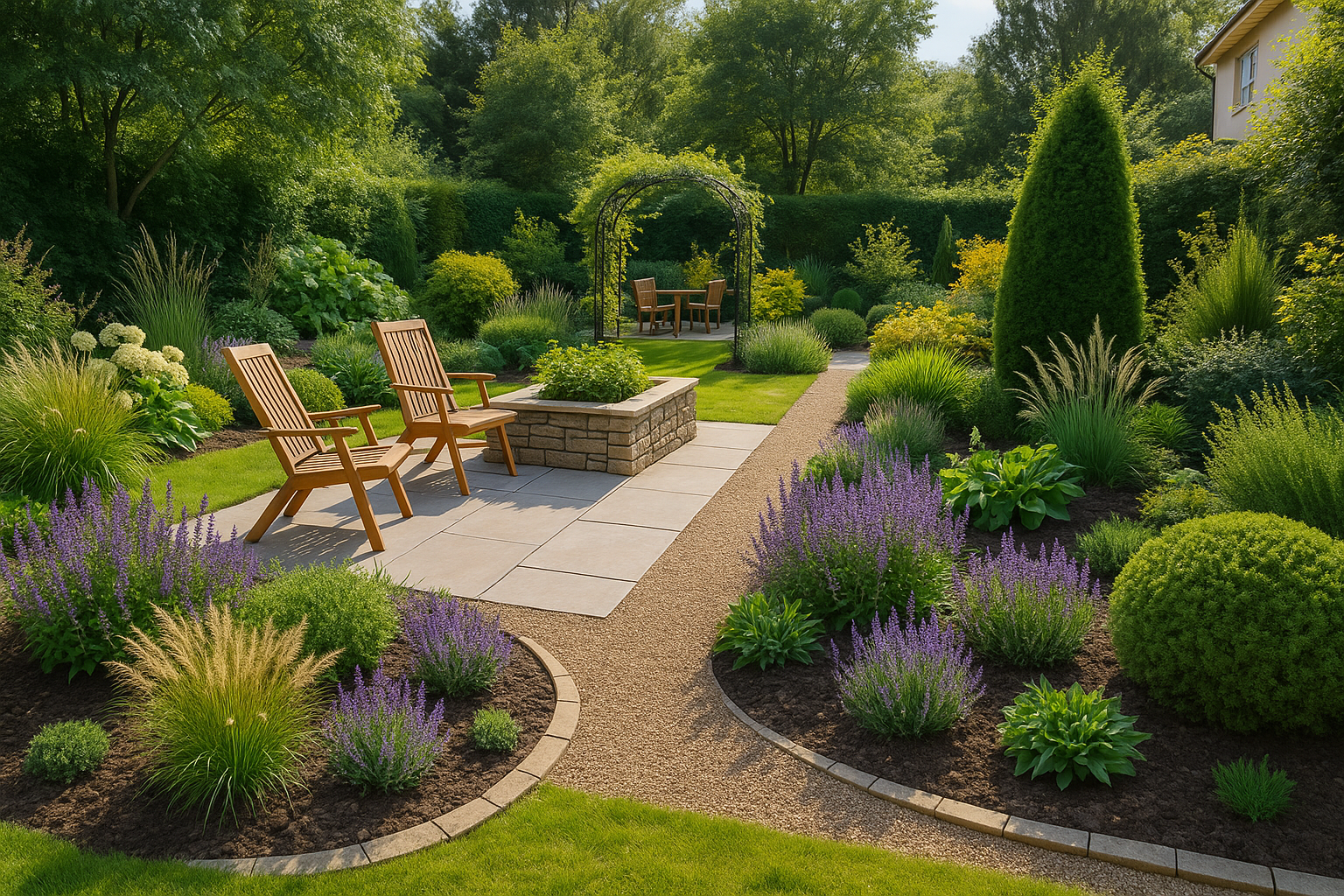
Creating a garden that feels intentional, welcoming, and manageable doesn’t require a landscape architect. With a few smart garden design ideas you can turn any patch of land, balcony, or courtyard into a beautiful outdoor retreat. This post walks through practical concepts and creative tips to help you plan, plant, and style a garden that fits your life and climate.
Plan Before You Plant
Good garden design starts with observation. Spend time noting sun patterns, wind exposure, views, and how you want to use the space. A simple sketch will help. Think about paths, seating, play areas, and the relationship between hard surfaces and planting beds.
Assess microclimates
Every garden has microclimates. South facing walls are warmer and drier, while shaded corners stay cooler and moister. Match plants to these pockets for healthier growth and less maintenance.
Define function
Decide whether your priorities are entertaining, vegetable growing, wildlife habitat, or quiet enjoyment. Function informs layout, plant choices, and materials.
Design Elements That Work
Use these core design elements to create structure and visual interest.
Focal points
A focal point draws the eye and anchors a design. Consider a specimen tree, sculpture, raised planter, or a dramatic pot. Place focal points at the end of sight lines or at intersections of paths.
Paths and circulation
Paths guide movement and divide the garden into manageable rooms. Materials like gravel, stepping stones, or poured concrete each set a different tone. Keep paths as wide as the function requires and use curves to create a sense of journey in larger spaces.
Layering and structure
Design with layers in mind: canopy trees, midstory shrubs, herbaceous perennials, and groundcovers. Structural evergreens or ornamental grasses provide winter interest and balance seasonal plants.
Color, Texture, and Plant Combinations
Color schemes make a garden cohesive. Choose a palette that reflects your mood: cool blues and whites for calm, vibrant oranges and reds for energy. Combine textures to create depth—soft feathery foliage against bold, glossy leaves is a classic contrast.
Seasonal interest
Mix spring bulbs, summer bloomers, autumn foliage, and winter silhouettes to ensure year round appeal. Repeat a few key plants or colors to create rhythm through the seasons.
Hardscaping and Structures
Hardscape elements are the bones of the garden and a great way to add longevity and function.
Seating and outdoor rooms
Create distinct zones for dining, lounging, and play. Even small gardens can have a cozy seating nook with vertical planting or trellises to enhance privacy.
Raised beds and retaining walls
Raised beds improve drainage and soil control, making them perfect for vegetable gardens or tidy borders. Low retaining walls can double as seating and add elevation for dramatic planting.
Small Spaces and Container Gardening
Small gardens benefit from scale aware design. Use vertical space with trellises, wall planters, and shelving. Containers allow flexibility—swap seasonal plantings and move pieces to change focal points.
Balcony tips
Choose lightweight containers, group pots for microclimate benefits, and focus on a limited palette to avoid visual clutter.
Water Features, Lighting, and Wildlife
Water features add sound and motion, from a simple birdbath to a trickling fountain. Thoughtful lighting extends usability into the evening and highlights key features. Solar lights and low voltage options are energy efficient and easy to install.
Attracting pollinators
Plant native flowers, provide a water source, and avoid pesticides to welcome bees, butterflies, and birds. A pollinator friendly garden often needs less care while delivering lots of life.
Low Maintenance Strategies
If time is limited, prioritize good soil, mulch heavily, and choose plants suited to your conditions. Group plants with similar water needs together and reduce lawn area in favor of drought tolerant groundcovers or permeable paving.
Smart irrigation
Drip irrigation and soaker hoses target roots and reduce water waste. Pair irrigation with a timer or smart controller to automate routine care.
Conclusion
Garden design is both practical and personal. Start with observation and a simple plan, choose a few strong design elements, and build gradually. Whether you have a sprawling yard or a tiny balcony, thoughtful layout, layered planting, and a few focal pieces will help you create an outdoor space you love and use. Try one new idea this season and see how it changes the way you enjoy your garden.