
Garden Arbors: Ideas, Materials, and Placement Tips for a Beautiful Yard
What Is a Garden Arbor?
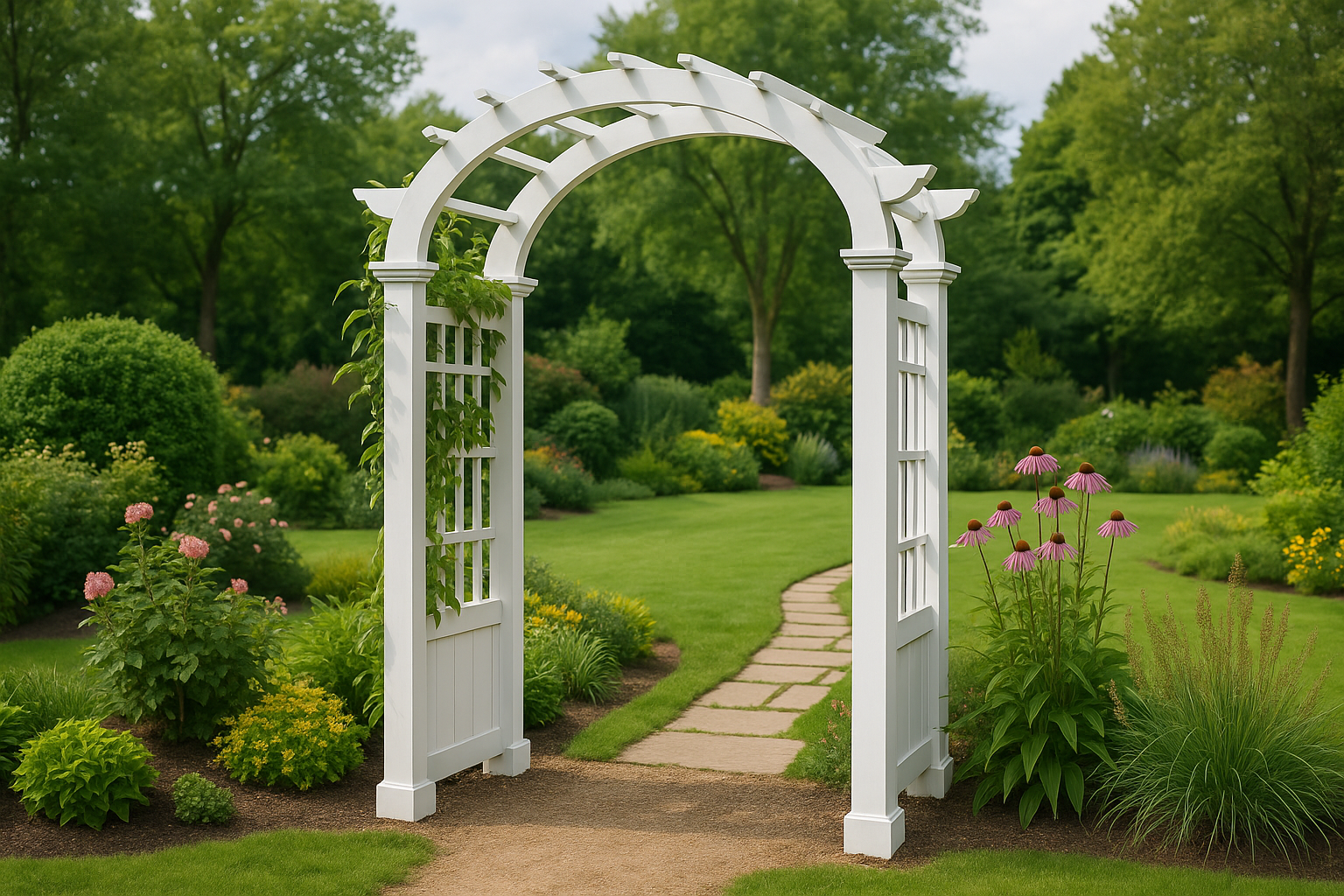
A garden arbor is a freestanding or attached architectural structure—typically with two or four posts and an open lattice or slatted top—that creates a welcoming “gateway” in your landscape. While arbors can be purely decorative, they’re often used to support climbing plants like roses, clematis, wisteria, jasmine, or grapevines. The result is part sculpture, part shade, and part living centerpiece.
Because arbors naturally draw the eye, they’re a simple way to add height, structure, and a sense of intention to garden beds, pathways, patios, and entry points.
Why Add a Garden Arbor to Your Landscape?
Even a small yard can feel more designed with the addition of an arbor. It gives your garden a focal point and helps guide movement through outdoor spaces.
Boost curb appeal and create a focal point
An arbor placed near a gate, walkway, or front path acts like an invitation. It frames views, highlights a special planting area, and instantly makes the space look more layered and complete.
Support climbing plants and add vertical interest
Vertical elements are essential in garden design, especially if your beds are mostly low-growing. With an arbor, you can train climbers upward, create a lush canopy over time, and add blooms and fragrance at eye level.
Define “rooms” in the garden
Arbors are excellent for separating areas—such as transitioning from lawn to a vegetable garden, or from a patio to a more private seating nook. Think of it as an outdoor doorway that makes the landscape feel thoughtfully arranged.
Popular Types of Garden Arbors
Choosing the right style depends on your space, your home’s architecture, and whether you want a purely decorative piece or a hardworking support for heavy vines.
Classic arch arbor
The most recognizable option, an arch arbor features a curved top that feels romantic and traditional. It pairs beautifully with climbing roses and cottage garden plants.
Flat-top arbor
Flat-top designs have clean lines and a modern feel. They’re also practical—many include strong cross beams that can hold vigorous climbers and provide more defined shade.
Lattice arbor
Lattice sides offer plenty of grab points for vines and can add privacy without blocking the breeze. They’re great for clematis, honeysuckle, or any plant that needs a little help getting started.
Pergola-style arbor
A pergola-style arbor is typically larger and more substantial, often with extended rafters overhead. It can bridge a pathway or anchor the start of a garden walk, offering a more immersive “tunnel” effect as plants mature.
Best Materials for Garden Arbors
Material affects the arbor’s look, maintenance needs, and how well it can handle weather—and heavy greenery.
Wood arbors
Wood is warm, classic, and easy to customize. Cedar and redwood naturally resist decay, while pressure-treated lumber is budget-friendly and sturdy. Plan to seal or stain periodically to reduce weathering and extend lifespan.
Metal arbors
Metal arbors (steel or wrought iron) can be elegant and long-lasting, especially when powder-coated for rust resistance. They often have a slimmer profile than wood, making them ideal when you want a delicate, airy look—even under a canopy of blooms.
Vinyl and composite arbors
If low maintenance is your priority, vinyl and composite arbors are worth a look. They won’t rot and typically clean up with soap and water. Just be sure the design is reinforced if you plan to grow heavier vines like wisteria or mature grape.
Where to Place a Garden Arbor
Placement is everything. The right location helps an arbor feel like a natural part of the landscape instead of an afterthought.
Over a pathway
Placing an arbor over a path is a timeless choice. It creates a sense of arrival and adds height where you’ll enjoy it up close. If your path is narrow, choose a slimmer arbor and keep plant growth trimmed for easy passage.
At a garden entrance or gate
An arbor at the entrance of a backyard, side yard, or veggie garden instantly makes the space feel special. Consider matching the style to your fence or gate hardware for a cohesive look.
Near a seating area
Position an arbor beside a bench, patio, or small dining set to create a backdrop and a hint of privacy. With flowering vines, this can become one of the most relaxing corners of your yard.
As a focal point in a garden bed
If you don’t have a pathway, place the arbor in a bed where it can stand as a sculptural element. Surround it with layered plantings—low perennials in front, mid-height shrubs nearby, and climbers trained up the posts.
Choosing the Right Arbor Size and Style
The best garden arbor is one that fits your space comfortably and supports the look you’re going for.
Match scale to your landscape
In a small yard, oversized arbors can feel imposing. In larger landscapes, a petite arbor may get visually lost. As a general guide, make sure there’s enough width for comfortable walking and enough height that guests don’t feel they need to duck once plants start filling in.
Coordinate with your home and garden design
For modern homes, consider flat-top wood or sleek metal. For cottage gardens, arched or lattice designs feel right at home. Repeating a finish—like black metal accents or stained wood tones—helps everything feel intentional.
Climbing Plants That Look Great on Arbors
The plant you choose will influence not only the look, but also the structural demands on the arbor.
Light to moderate climbers
- Clematis: Gorgeous blooms, many varieties, easy to mix with other vines.
- Climbing roses: Classic and fragrant; choose repeat bloomers for a longer season.
- Jasmine: Wonderful scent and a soft, twining habit.
Heavier, vigorous vines
- Wisteria: Stunning, but heavy—needs a very sturdy arbor and regular pruning.
- Grapes: Productive and leafy, but weight adds up quickly; plan for strong beams.
Tip: If you’re unsure, start with a lighter climber and see how your structure performs over time. You can always upgrade later once you know what your space and climate support best.
Installation and Maintenance Tips
A well-installed arbor looks better, lasts longer, and stays safer—especially in windy areas.
Secure the posts properly
For long-term stability, set posts into the ground with concrete or use metal post anchors on a solid surface like a patio. If you’re placing an arbor over a path, double-check that both sides are square and aligned before fastening everything.
Train vines early
Help young vines by loosely tying them to the arbor with soft garden ties. Guide growth where you want it—across the top for a canopy effect or along the sides for a neat, framed look.
Keep it looking fresh
- Re-stain or seal wood as needed.
- Check hardware annually and tighten bolts.
- Trim climbing plants to prevent overcrowding and reduce weight.
- Wash vinyl or powder-coated metal to remove dirt and mildew.
Conclusion
Garden arbors bring instant charm and structure to outdoor spaces, whether you’re framing a pathway, highlighting an entrance, or supporting a cascade of blooms. By choosing the right style, material, and placement—and pairing it with a climber that suits your climate—you’ll create a feature that looks better every season and makes your garden feel truly inviting.