
Fixing Yard Drainage Issues: Practical Solutions for a Healthy Landscape
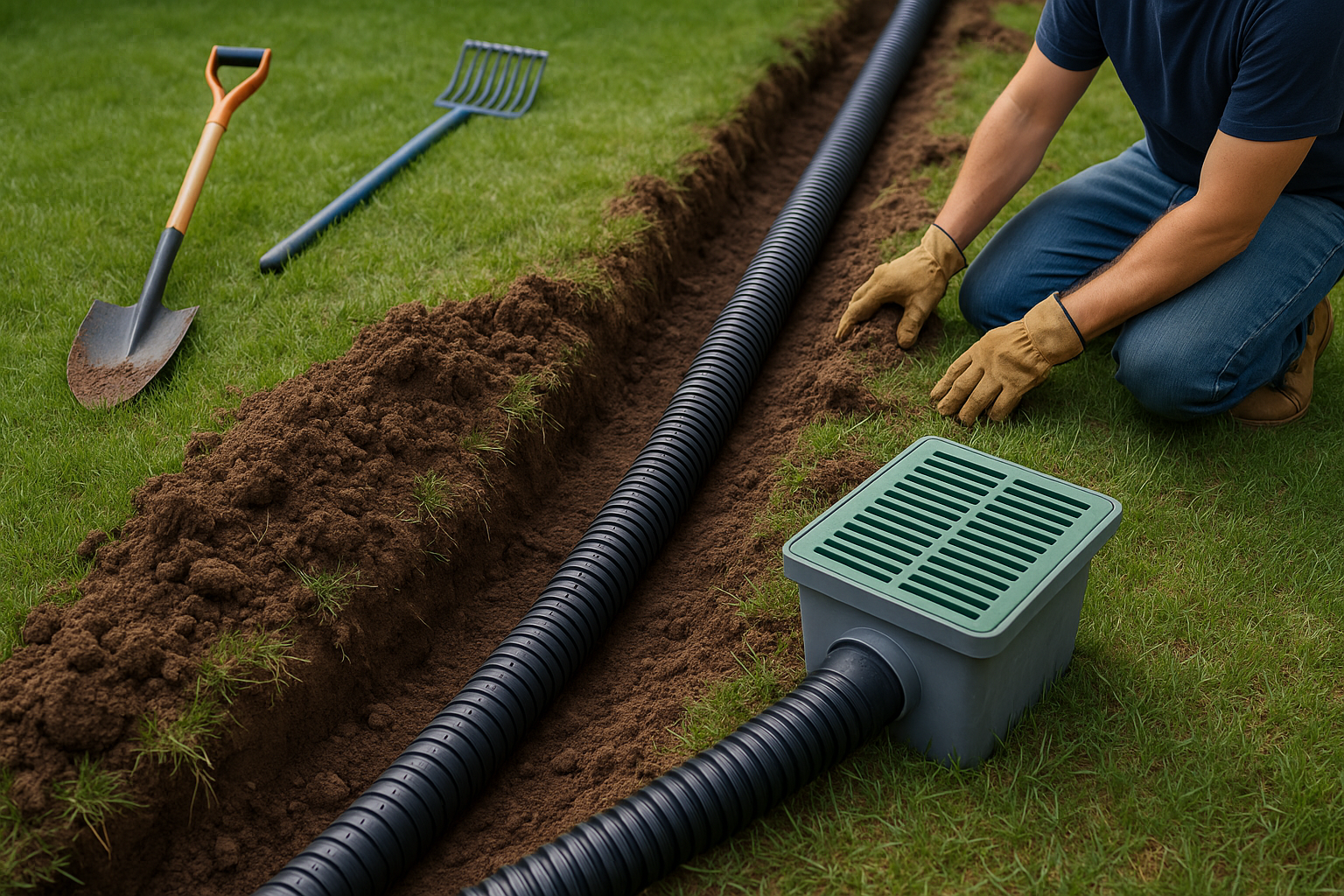
Standing water, soggy lawn, and plants that struggle after every rainstorm are signs your yard’s drainage needs attention. Poor drainage can damage lawns, erode soil, attract pests, and in worst cases harm your home’s foundation. This guide walks through how to identify problems, practical fixes you can try, and when to call a pro.
Why Yard Drainage Matters
Good drainage protects soil structure, keeps plants healthy, and prevents water from pooling near your house. Without it, you may see compacted soil, bare patches, and even basement leaks. Addressing issues early saves time and money and keeps your landscape functioning as intended.
How to Identify Drainage Problems
Common signs to look for
- Water pooling for more than 24 hours after rain
- Persistent muddy areas or lawn discoloration
- Foundation or walkway cracks, or soft spots near structures
- Unusual plant decline in low-lying areas
Map water flow
After a rain, walk the yard and note where water collects and how it moves. Sketch a simple map marking high spots, low spots, downspouts, and paved areas. This visual helps decide whether you need grading, a channel, or underground solutions.
Check your soil
Clay-heavy soils drain slowly, while sandy soils drain quickly but may not retain enough moisture. Dig a small hole and fill it with water to see how long it takes to drain. Slow percolation indicates a need for surface drainage or more aggressive solutions.
Practical Fixes for Yard Drainage
Regrading and slope correction
Often the simplest fix is to reshape the yard so water flows away from structures. Aim for at least a 2% slope (about a 1/4 inch per foot) away from foundations for the first 10 feet. Minor regrading can be a DIY weekend project; larger changes may require machinery and a contractor.
French drains for persistent low spots
A French drain is a trench filled with gravel and a perforated pipe that redirects water to a safe outlet. It’s ideal for consistently wet areas and can be installed along foundations or across the yard. While doable for a motivated DIYer, proper slope and outlet placement are critical.
Dry creek bed and surface channels
For visible, landscape-friendly drainage, install a dry creek bed or a shallow channel lined with rock. These solutions move surface water and can enhance curb appeal. They work best for moderate flows and visible water routing.
Catch basins and channel drains
If water accumulates on paved surfaces or near patios, catch basins and channel drains collect runoff and funnel it into a pipe system. These products are durable and discreet, but installation can be more complex because of connection to underground pipes.
Rain gardens and permeable surfaces
Using native plants and a shallow basin, a rain garden captures and filters runoff while adding beauty and habitat. Combine with permeable paving to reduce the volume of runoff and improve infiltration.
Downspout management and sump pumps
Ensure gutters and downspouts move roof water at least several feet from the foundation. Extend downspouts with splash blocks or flexible piping into a dry well, rain garden, or the street if permitted. In extreme cases where water collects below grade, a sump pump or interior drainage system may be necessary.
Materials, Tools, and When to Hire a Pro
Common materials include gravel, perforated pipe, landscape fabric, and native plants. Tools range from shovels and wheelbarrows for small jobs to trenchers and mini-excavators for larger work. Hire a professional when the job involves complex grading, permits, hardscape structures, or potential impact on neighboring properties.
Maintenance Tips to Keep Drainage Working
- Clean gutters and downspouts twice a year
- Keep drainage channels and catch basins free of debris
- Top-dress or regrade areas that settle over time
- Replace sediment in French drains or dry wells every few years if necessary
- Choose plantings that tolerate occasional wetness in low spots
Cost Considerations
Costs vary widely. Simple regrading and downspout extensions are low-cost, while French drains, catch basins, and major regrading can be several thousand dollars. Get multiple quotes and ask for references and photos of past work. Consider long-term savings: preventing foundational damage and plant loss often justifies upfront expense.
Conclusion
Fixing yard drainage issues protects your property and improves your landscape’s health. Start by mapping problem areas and testing soil, then choose the least invasive solution that will reliably move water away from trouble spots. With regular maintenance and the right approach—whether DIY or professional—you can turn a soggy yard into a dry, attractive outdoor space.