
February Landscaping Tips: Prep Your Yard for a Healthy Spring
Why February Is the Perfect Time to Plan Your Landscape
February can feel like a “pause” month in the yard—winter is still hanging around, but spring isn’t quite ready to show up. That in-between season is exactly why February is so valuable for landscaping. With plants mostly dormant and the pace slower, you can tackle planning, cleanup, and preventive tasks that make spring growth healthier and easier to manage.
Whether you’re dealing with snow, rain, or mild winter weather, the goal is the same: protect what you have, prepare what you want, and set your landscape up for a strong start once temperatures rise.
February Landscaping Tips for a Healthier Lawn
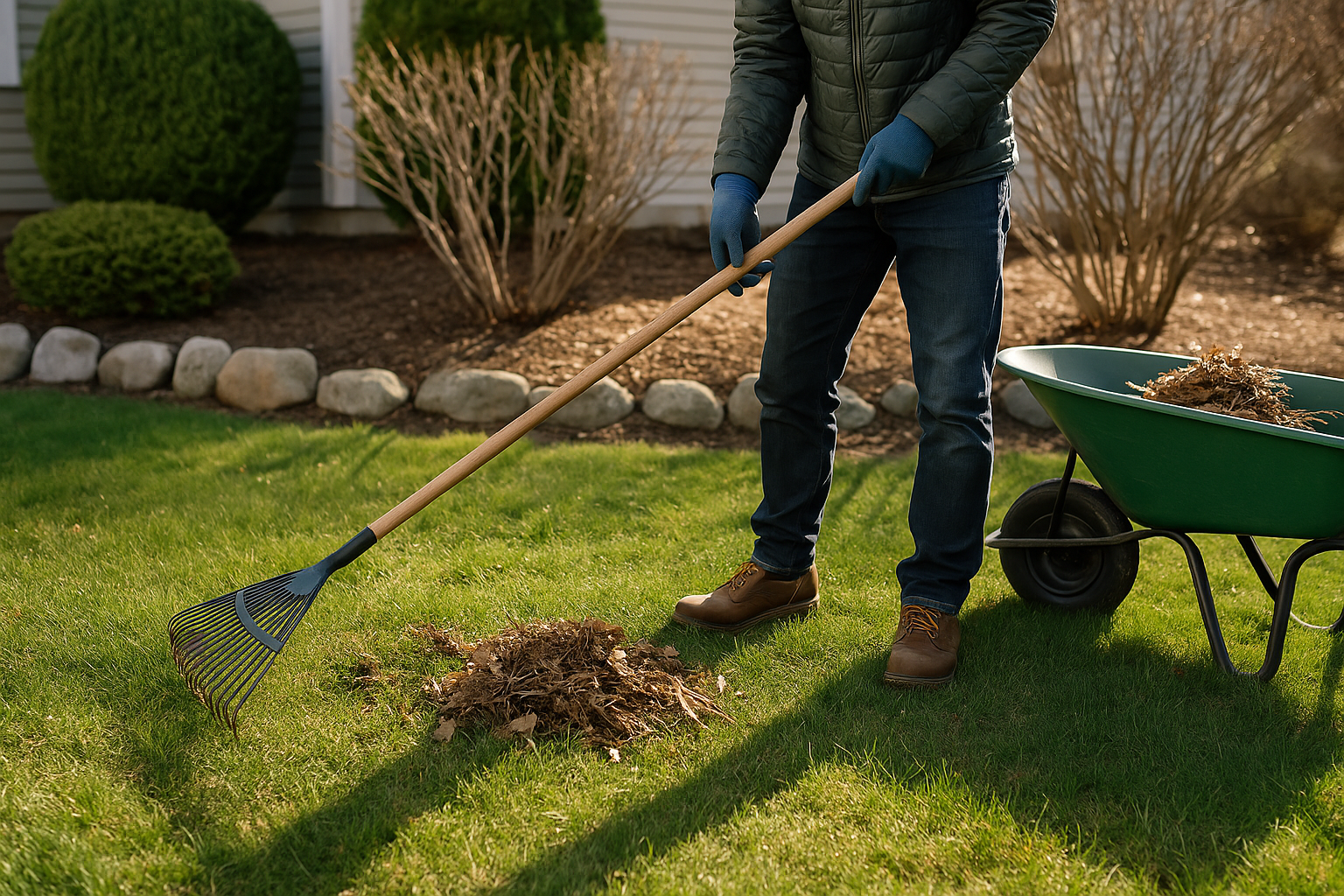
Rake and Remove Winter Debris (When It’s Dry)
Leaves, twigs, and other debris can smother grass and invite mold or pests. On a dry day, lightly rake matted areas and remove anything that’s blocking airflow. If your lawn is soggy or frozen, wait—raking and walking on it too soon can compact soil and damage turf.
Avoid Heavy Foot Traffic on Frozen or Saturated Grass
One of the simplest February landscaping tips is also one of the most important: stay off the lawn when it’s frozen or overly wet. Footprints and repeated walking can compress soil, stress grass crowns, and leave you with thin, muddy paths come spring. If you need to cross the yard regularly, consider creating a temporary walkway with stepping stones or boards.
Test Your Soil and Plan Fertilizer Timing
If you’re serious about lawn health, a soil test is a smart late-winter project. It can reveal pH issues and nutrient deficiencies, helping you avoid wasting money on the wrong fertilizer. In many regions, February is still too early to fertilize warm-season lawns, and cool-season lawns typically benefit more from a tailored approach based on soil results. Check local extension guidance for your area’s best timing.
Pruning and Plant Care to Do in February
Prune Dormant Trees and Shrubs (With a Plan)
Late winter is often a good window to prune many deciduous trees and shrubs because their structure is easier to see, and they’re less likely to be stressed by trimming. Focus on removing dead, damaged, or crossing branches and improving airflow. Always use clean, sharp tools and avoid over-pruning.
Quick tip: Hold off on pruning spring-flowering shrubs (like lilac, forsythia, or azalea) if they bloom on old wood—pruning now can remove this year’s flower buds. If you’re unsure, identify the plant first and prune after it blooms.
Check for Winter Damage and Broken Limbs
Snow, ice, and wind can crack branches and split stems. Walk your landscape and look for hazards, especially around walkways and driveways. If a limb is hanging or partially broken, remove it cleanly before it tears further and causes bigger damage.
Protect Sensitive Plants From Late Frosts
February weather can swing wildly. If you have tender shrubs, newly planted perennials, or early-blooming plants, be ready to cover them during cold snaps. Frost cloth, burlap wraps, or even breathable sheets can help. Avoid using plastic directly on foliage, as it can trap moisture and cause damage when temperatures drop.
Garden Bed Prep: Mulch, Weeds, and Soil Improvement
Refresh Mulch (But Don’t Smother Plants)
Mulch is one of the most effective tools for moisture retention, weed suppression, and temperature moderation. In February, top off mulch where it has thinned, especially around shrubs and in garden beds that take a beating from winter weather. Aim for about 2–3 inches in most areas, and keep mulch a few inches away from trunks and crowns to prevent rot.
Get Ahead of Early Weeds
Weeds don’t wait for spring. In milder climates, they can start sprouting surprisingly early. Pull weeds when the soil is workable, and focus on removing the roots. This small task can save hours later when temperatures rise and weeds take off.
Amend Soil Where You’ll Plant in Spring
If the ground isn’t frozen and you can work it without creating clumps, February is a great time to improve garden bed soil. Add compost or well-aged organic matter to build long-term fertility and better drainage. If your soil is heavy clay, avoid working it when wet—it can compact and become harder to manage.
February Landscaping Maintenance Checklist
Clean and Sharpen Tools Before the Busy Season
A little tool maintenance now makes spring projects smoother and safer. Clean dirt off shovels and pruners, sharpen blades, and oil moving parts. It’s also a good time to check mower blades and schedule equipment servicing before everyone else does.
Inspect Irrigation and Drainage
Winter can expose weak points in your yard’s drainage. Watch where puddles form and where downspouts empty. If you have irrigation, inspect visible components for damage and make a plan for spring startup. Catching issues now can prevent water waste and landscape stress later.
Edge Beds and Define Borders
Crisp edges make a yard look instantly more polished. If the soil is workable, redefine garden bed borders and clean up edging along walkways and driveways. This is one of those simple weekend projects that pays off visually all season long.
Planning Ahead: What to Plant and When
Start Seeds Indoors (Where Appropriate)
Depending on your climate and last frost date, February may be the right time to start certain vegetables and flowers indoors. Check seed packets for timing (often listed as weeks before last frost). Use a bright window or grow light, keep seedlings warm, and avoid overwatering.
Shop Smart for Spring Plants
February is ideal for planning your spring shopping list. Measure garden areas, note sun exposure, and choose plants that match your conditions instead of forcing “dream plants” into the wrong spot. If you’re updating your landscape design, sketch a simple plan and think through mature plant sizes so you don’t end up overcrowding later.
Consider Hardscape Projects While the Schedule Is Open
If you’re thinking about a new patio, retaining wall, walkway, or landscape lighting, February is a great time to line it up. Contractors often book quickly once spring hits, and planning early gives you time to compare options and create a realistic budget.
Conclusion: Small February Tasks, Big Spring Results
February landscaping is all about smart preparation. A bit of cleanup, careful pruning, soil improvement, and early planning can make your yard healthier and easier to maintain when spring arrives. Pick a few tasks that fit your weather and schedule, and you’ll be rewarded with a landscape that wakes up stronger, greener, and ready to grow.